
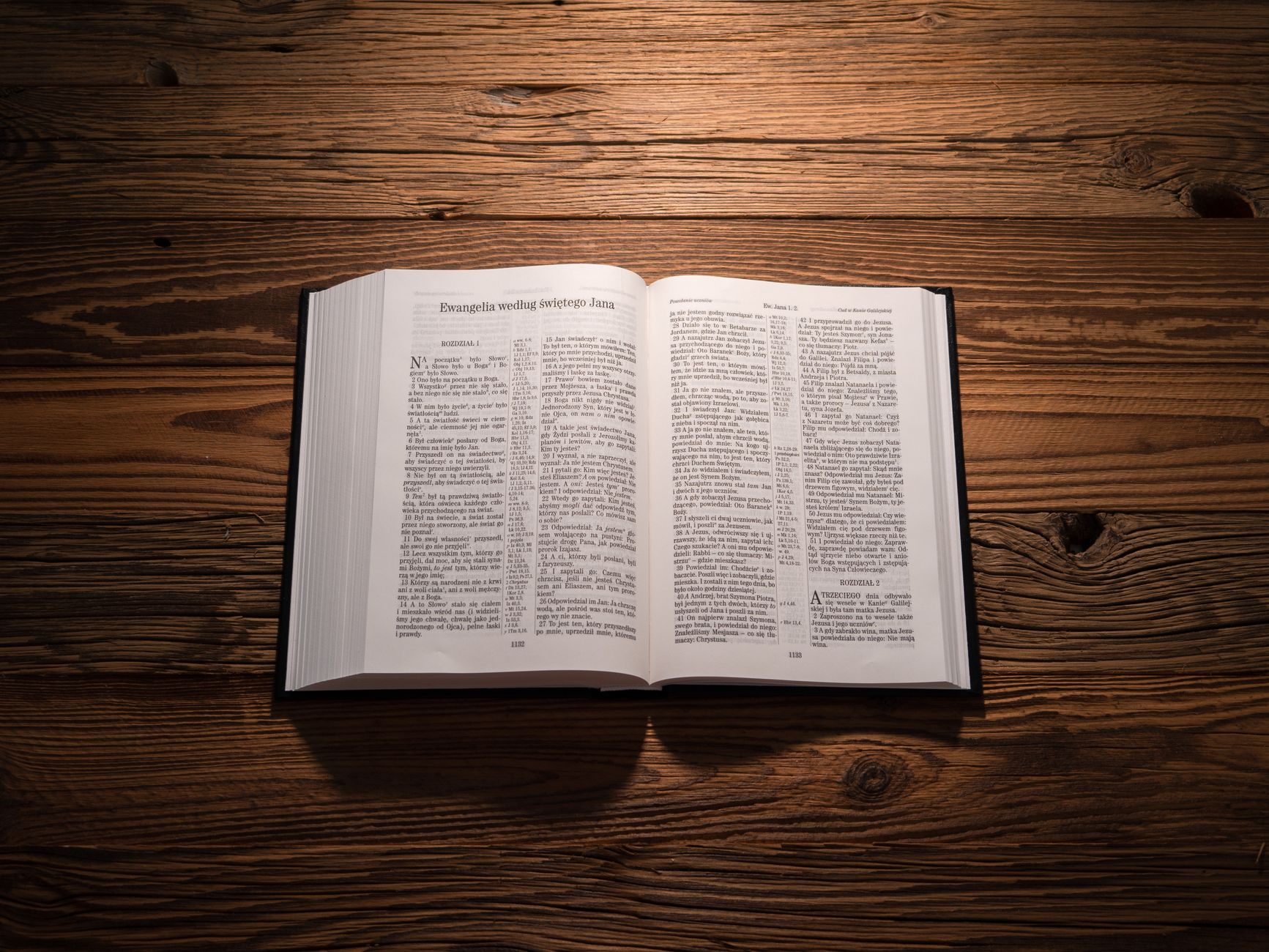
The question of whether the Bible addresses spanking as a form of discipline is one that often arises among parents, caregivers, and those involved in child-rearing. This topic challenges us to explore scripture, its interpretations, and the context in which we apply biblical teachings to the modern understanding of parenting. The insights gleaned from the Bible regarding discipline can guide believers in nurturing children while fostering a loving and respectful environment.
While the Bible does not explicitly delineate a single appropriate form of discipline, various verses offer guidance on the principles of correction and instruction. This article will examine what the Bible says about spanking specifically and how these teachings can be understood in a broader spiritual context.
What Does the Bible Say About Spanking?
The topic of spanking in the Bible often centers around a few key verses that discuss discipline and correction in the context of raising children. Among these, one of the most frequently cited is Proverbs 13:24, which states, “Whoever spares the rod hates their children, but the one who loves their children is careful to discipline them” (NIV). This verse suggests a connection between love and the necessity of discipline.
Moreover, Proverbs 22:15 highlights, “Folly is bound up in the heart of a child, but the rod of discipline will drive it far away” (NIV). This passage indicates that discipline is essential in guiding children toward wisdom. However, it is essential to discern the cultural and historical context of these verses to understand their application today.
The Context of Biblical Discipline
When interpreting these passages, it is crucial to acknowledge the cultural norms of ancient Israel. Discipline practices during biblical times varied significantly from those accepted in modern contexts. Here are some factors to consider when understanding biblical views on discipline:
- Cultural Norms: Ancient practices involved corporal punishment as a common form of discipline.
- God’s Love: Biblical discipline is rooted in love and the desire for a child’s growth and development.
- Parental Responsibility: The passages emphasize the responsibility of parents to guide their children toward righteousness.
- Contextual Interpretation: Different faith communities interpret scripture in the light of their contemporary culture, values, and beliefs.
Exploring Additional Scripture on Discipline
Beyond the verses in Proverbs, additional scripture reflects on the nature of discipline. Hebrews 12:7-11 provides considerable insight:
“Endure hardship as discipline; God is treating you as his children. For what children are not disciplined by their father? If you are not disciplined—and everyone undergoes discipline—then you are not legitimate, not true sons and daughters at all. Moreover, we have all had human fathers who disciplined us and we respected them for it. How much more should we submit to the Father of spirits and live?” (NIV)
This passage uses the concept of divine discipline to illustrate the need for parental correction. It frames discipline as an essential component of a loving relationship, where guidance leads to growth and understanding.
Different Perspectives on Spanking
Within the Christian community, views on spanking can vary widely. Some believers assert that spanking is a biblically endorsed form of discipline, while others argue against corporal punishment in favor of alternative discipline methods. Here are a few perspectives:
- Proponents of Spanking: Some adhere to a literal interpretation of the Proverbs verses, believing that spanking is a necessary means of imparting wisdom and correcting behavior.
- Opponents of Spanking: Others contend that the emphasis should be on non-physical forms of discipline, advocating methods rooted in communication, understanding, and empathy.
- Balanced Approach: Some Christians advocate for a blended method that emphasizes love, correction, and guidance without resorting to physical punishment.
Understanding the Value of Non-Physical Discipline
As the conversation around child discipline continues to evolve, many parents are exploring alternatives to spanking. Non-physical discipline can take various forms, such as:
- Positive Reinforcement: Encouraging desired behaviors through praise and rewards.
- Time-Outs: Providing children with a moment to reflect on their actions.
- Open Communication: Engaging children in discussions about behavior and expectations.
- Natural Consequences: Allowing children to experience the natural outcomes of their actions while ensuring they feel safe and supported.
These methods can be rooted in biblical principles of love and respect, encouraging children to understand the effects of their behavior without physical correction.
Guiding Principles of Discipline in Parenting
Regardless of the specific methods parents choose, several biblical principles can guide discipline practices:
- Love: Discipline must always be administered out of love and concern for the child’s welfare.
- Consistency: Maintaining consistent expectations is essential in teaching children accountability.
- Patience: Recognizing that growth and learning take time, parents should be patient and understanding.
- Prayer and Reflection: Seeking divine guidance through prayer helps align parental actions with God’s intentions for nurturing and teaching.
Spiritual Reflection on Discipline
The practice of discipline in parenting can benefit from spiritual reflection. Taking time to meditate or pray about one’s approach to discipline can provide clarity and direction. Here are a few suggestions:
- Prayer for Wisdom: Ask for guidance on how to best discipline your child, focusing on their unique needs.
- Scripture Reading: Reflect on biblical passages regarding love, discipline, and instruction.
- Journaling: Write down thoughts, feelings, and observations regarding your child’s behavior and your responses to it.
- Talk with Other Parents: Engage in conversations with trusted mentors or faith leaders about effective and loving discipline strategies.
Conclusion
While the Bible does provide passages related to methods of discipline, including spanking, it is critical to view these teachings through the lens of love, compassion, and cultural context. Parents are called to nurture their children and guide them on the right path through various forms of discipline, which may or may not include corporal punishment. Ultimately, the goal remains the same: to foster a loving and respectful atmosphere that enables children to grow in wisdom and character.
As you explore your approach to discipline, consider integrating prayer, reflection, and open communication with your child into your parenting practices. Engaging in these methods not only aligns with biblical teachings but also strengthens the bond between parent and child.
For further inspiration about relevant biblical teachings, consider exploring Bible verses about coffee and prayers for food to enrich your spiritual practices.