
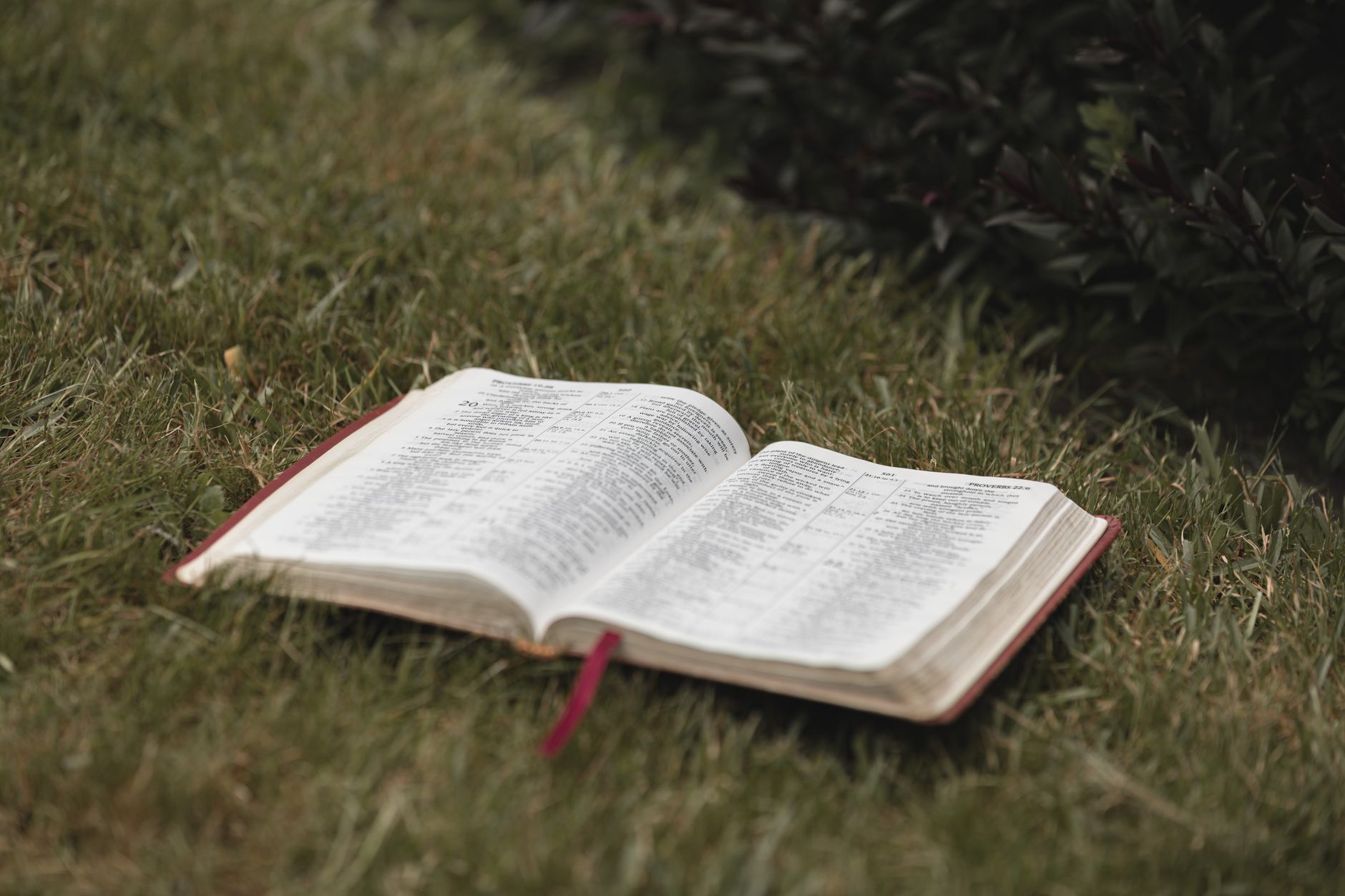
Reading the Bible can be a profound spiritual journey that offers rich insights, guidance, and wisdom for believers and seekers alike. For many, understanding how long it takes to read the Bible can enhance their commitment to engage with the text more intentionally.
This article explores various approaches to reading the Bible, providing a timeline breakdown for different reading plans and reflecting on how each method can deepen spiritual understanding and growth.
How Long to Read the Bible?
The time it takes to read the Bible can vary widely depending on several factors, including reading speed, level of comprehension, and the chosen reading plan. On average, it takes approximately 70 to 80 hours to read the entire Bible aloud, depending on how fast one reads. This can translate to about 15-20 minutes of reading each day for a year to complete it.
Understanding the Bible’s Structure
To appreciate how long it might take to read the Bible, it’s important to understand its structure. The Bible is divided into two main sections: the Old Testament and the New Testament.
- Old Testament: Comprising 39 books, it includes historical narratives, poetry, and prophetic writings.
- New Testament: This section consists of 27 books focusing on the life and teachings of Jesus Christ and the early Church.
The different genres within the Bible may affect reading speed and engagement. For example, poetic or prophetic texts may require more contemplation, while narrative accounts could be read more quickly.
Timeline Breakdown of Bible Reading Plans
Several reading plans cater to different preferences and time commitments. Here are some of the most common approaches to reading the Bible, along with estimated timelines:
1. Traditional One-Year Plan
This plan divides the Bible into daily readings over the course of a year. It typically includes:
- Daily Reading: About 3-4 chapters a day.
- Total Time: Approximately 15-20 minutes each day.
- Completion Time: One year.
2. Chronological Reading Plan
In this plan, the Bible is read in the order of events as they occurred historically. Key features include:
- Daily Reading: Varies, sometimes including additional background material.
- Total Time: About 20-30 minutes per day.
- Completion Time: One year.
3. Thematic Reading Plan
This approach focuses on specific themes throughout the Bible, such as love, faith, and justice. It can involve:
- Daily Reading: Selected passages related to the theme.
- Total Time: Typically around 15 minutes daily.
- Completion Time: Varies by theme but often one year.
4. Shorter Plans (30 Days, 90 Days)
For those with less time or those looking for a focused reading experience:
- 30-Day Plan: Read through the entire Bible in one month, requiring intense daily reading of about 2-3 hours.
- 90-Day Plan: This plan allows for more time to digest the scripture, involving approximately 30-40 minutes of reading per day.
Engagement and Reflection
As important as the timeline is the method of engagement. While simply reading the text can offer insight, taking time to reflect, meditate, and pray can enrich the experience. Consider the following practices:
- Journaling: Document reflections and insights from the day’s reading.
- Discussion: Engaging with others in discussions about the texts enhances understanding.
- Prayer and Meditation: Seeking guidance and understanding through prayer before or after reading can deepen the experience.
Challenges in Reading the Bible
It’s important to acknowledge that many people face challenges in their Bible-reading journey, such as:
- Lack of time or motivation.
- Difficult passages or books.
- Understanding historical and cultural context.
Recognizing these challenges allows readers to prepare better and find strategies to facilitate their engagement with the text.
Finding Your Rhythm
Ultimately, the most meaningful approach to reading the Bible varies from person to person. Here are some questions to consider:
- What is your primary goal in reading the Bible—spiritual growth, knowledge, or inspiration?
- Do you prefer structured reading plans, or are you more spontaneous in your approach?
- How can you incorporate reflection and prayer into your reading routine?
Practical Next Steps
As you consider how to read the Bible, you can start with a simple yet impactful step:
- Select a reading plan that resonates with you and aligns with your goals.
- Set a specific time each day to read, ensuring consistency.
- Incorporate reflection, journaling, or prayer to enhance your engagement with the text.
- Share your journey with others for support and encouragement.
This intentional approach can lead to profound insights and foster spiritual growth through the scriptures.
For further information, you might explore related articles on topics such as Bible Verses About Food and Prayers for Food.