
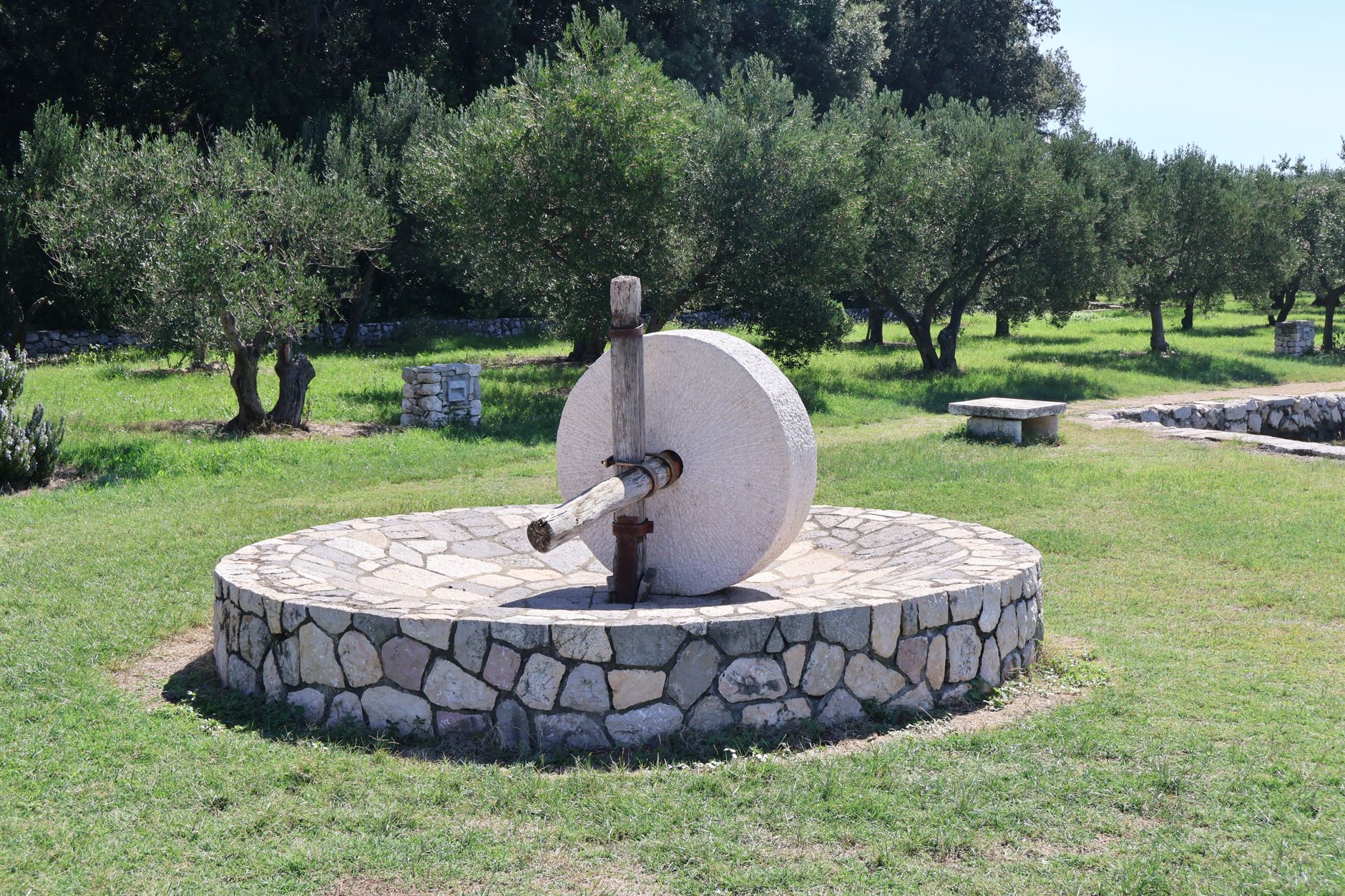
The term “millstone” appears several times in the Bible and carries significant theological and moral implications. Understanding its meaning and context can enhance our comprehension of various scriptural passages that mention this item. This article will explore what a millstone is, the biblical references associated with it, and the spiritual teachings that can be drawn from those passages.
Millstones are traditionally tools used for grinding grain into flour. They consist of two circular stones, one stationary and the other rotating on top, creating the necessary friction to turn grains into meal. In ancient agricultural societies, these tools were essential for daily sustenance, making their symbolism in scripture particularly poignant.
What Is a Millstone in the Bible?
In the Bible, the millstone represents not only a physical object but also deeper spiritual and moral teachings. Passages mentioning the millstone often deal with themes of justice, responsibility, and the consequences of one’s actions. Notably, millstones are used metaphorically to illustrate the severity of leading others into sin or causing harm.
Biblical References to Millstones
Several key verses in the Bible reference millstones, each contributing to the overall understanding of their significance:
- Matthew 18:6: “If anyone causes one of these little ones—those who believe in me—to stumble, it would be better for them to have a large millstone hung around their neck and to be drowned in the depths of the sea.”
- Mark 9:42: “If anyone causes one of these little ones to stumble, it would be better for them if a millstone were hung around their neck and they were thrown into the sea.”
- Luke 17:2: “It would be better for them to be thrown into the sea with a millstone tied around their neck than to cause one of these little ones to stumble.”
- Jeremiah 25:10: “Moreover, I will banish from them the voice of mirth and the voice of gladness, the voice of the bridegroom and the voice of the bride, the grinding of the millstones and the light of the lamp.”
Context of Millstone References
To fully grasp the meaning and implication of the millstone in these passages, context is essential. The verses from Matthew, Mark, and Luke are part of a series of teachings in the New Testament that highlight the importance of caring for vulnerable members of society—particularly children. The severe warning associated with causing them to stumble underscores the weight of moral responsibility in influencing others.
The metaphor of the millstone serves to illustrate an extreme consequence for leading others astray. In biblical thought, children are often symbolic of purity and innocence. The text suggests that harming that innocence carries a heavy price, one that underscores the seriousness with which God views the welfare of His people, especially the most helpless among them.
Theological Implications of Millstones
The use of millstones in scripture carries heavy theological implications. Here are a few significant ideas to reflect upon:
- The Weight of Responsibility: Just as a millstone is heavy, so too is the responsibility of faith leaders and anyone guiding others in matters of faith. Misleading others—whether intentionally or unintentionally—can have devastating effects.
- Innocence and Vulnerability: The frequent mention of “little ones” in these passages signifies the preciousness of innocence. Their wellbeing is paramount, and society is admonished to protect them.
- Judgment and Consequence: The imagery of drowning with a millstone suggests serious judgment. The severity of the form of punishment points to how grave the act of causing others to stumble is viewed within the spiritual realm.
Millstones in Historical Context
Understanding millstones in a historical context provides further insight. In ancient Israelite society, milling was often done in community settings, with women frequently tasked with grinding grain. The act of milling not only fulfilled physical needs but served as a communal activity—reminding us that actions affecting the community are taken seriously.
In the broader ancient Mediterranean world, millstones were also connected to the idea of divine retribution. Their weightiness not only signifies the physicality of the act but also embodies the moral weight of societal behavior. Thus, the millstone metaphor would resonate with audiences familiar with communal farming and shared responsibilities.
Practical Reflections and Spiritual Applications
As one meditates on the concept of the millstone, it is helpful to consider how these biblical teachings can influence personal faith practice and everyday behavior:
- Consider Your Influence: Reflect on the role you play in the lives of those around you. Are you encouraging and uplifting, or are your actions causing others to stumble?
- Seek Forgiveness: If you recognize times when you may have led others astray, seek forgiveness. Both in prayer and through reconciliation, addressing these actions is spiritually healthy.
- Protect the Innocent: Emphasize actions and decisions that safeguard the welfare of the innocent—whether in your sphere of influence or society at large.
- Use Your Gifts Wisely: Everyone has unique talents and roles in their community. Consider how you can use your gifts to be a source of joy and empowerment rather than burdensome weight.
Conclusion
The millstone serves as a powerful metaphor within the Bible, speaking to the weight of responsibility we all bear in our relationships and communities. By examining the context and implications of its usage, we gain deeper insight into our moral obligations toward one another, especially the vulnerable among us. Always strive to be a supportive presence and ensure that your actions do not lead others away from faith or their well-being.
This reflective process can deepen one’s understanding of community responsibility and personal faith practice. It invites individuals to explore their influence and align their actions with the core teachings of love, respect, and care.
To further explore the intersections of spirituality and daily living, consider reading more about Bible Verses About Food or investigate Prayers for Fasting.