
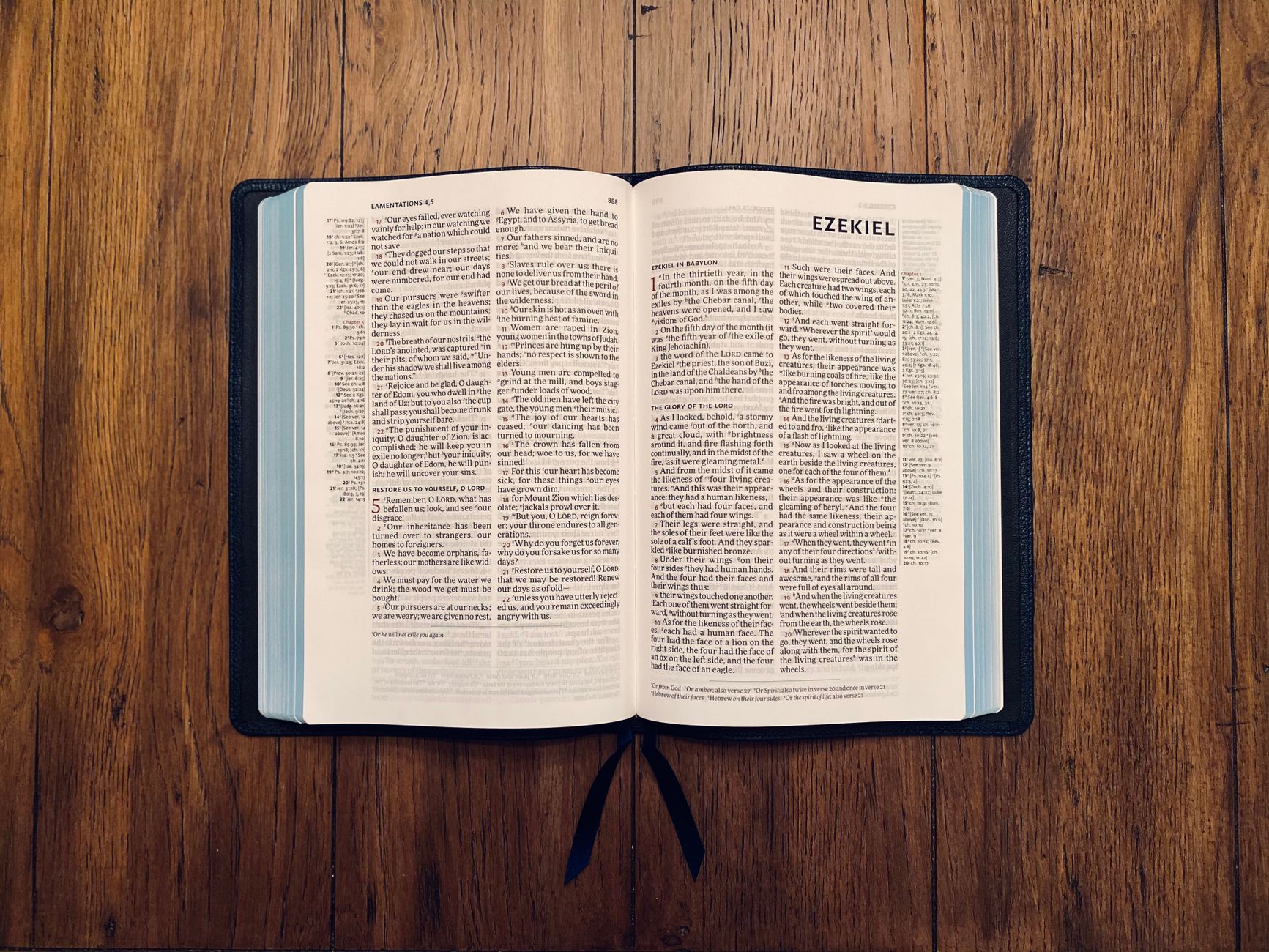
The term “righteousness” is a vital concept in the Bible, representing a moral standard that aligns with God’s will. Understanding what righteousness means in the biblical context helps believers reflect on their own behaviors and attitudes in life. This article will explore the multifaceted meaning of righteousness in scripture, its significance throughout the Bible, and practical implications for personal faith and community living.
To comprehend righteousness fully, it is essential to consider its definitions, biblical examples, the relationships between righteousness and justice, faith, and how these teachings shape followers’ lives today.
What Does Righteousness Mean in the Bible?
Righteousness in the Bible primarily denotes being in right standing with God and living according to His statutes and commands. This concept extends beyond mere moral behavior to encompass a relational aspect with God. In the Old Testament, the Hebrew word for righteousness, “tz’daqah,” often refers to a standard of justice and moral integrity, while in the New Testament, the Greek term “dikaiosynē” emphasizes a state of being righteous before God through faith.
Old Testament Perspectives on Righteousness
In the Old Testament, righteousness is closely tied to the covenant relationship between God and His people. Righteousness is presented as a requirement for those who seek to live under God’s covenant, reflecting His character and will.
Key Hebrew Terms
- Tz’daqah: Indicates both ethical behavior and the principle of justice. It emphasizes the necessity of fairness, honesty, and moral integrity in human actions.
- Tzaddik: Refers to a person who embodies righteousness and lives a life compliant with God’s laws, often serving as a model within the community.
- Rasha: The opposite of a righteous person. It means one who acts unjustly and is seen negatively in comparison to the tzaddik.
Biblical Examples
Throughout the Old Testament, several figures exemplify righteousness:
- Abraham: Described in Genesis 15:6, “And he believed the LORD, and he counted it to him as righteousness.” This demonstrates that righteousness can be attributed to faith.
- Noah: Called “a righteous man, blameless in his generation” (Genesis 6:9). Noah’s righteousness was evident in his obedience to God’s command.
- Job: Known for his blamelessness and integrity, Job illustrates the challenges of maintaining righteousness amid adversity.
The New Testament’s Understanding of Righteousness
In the New Testament, the concept of righteousness evolves with the teachings of Jesus Christ and the apostolic writings. Here, righteousness is not solely about adhering to the law but encompasses faith, grace, and the transformative work of the Holy Spirit.
Righteousness Through Faith
A central theme in the New Testament is that righteousness comes through faith in Jesus Christ rather than through individual merit alone. The Apostle Paul articulates this in Romans 3:22, stating, “the righteousness of God through faith in Jesus Christ for all who believe.” Here, righteousness is portrayed as a gift, not a personal achievement. It signifies a restored relationship with God, initiated through faith.
Jesus’ Teachings
In the Sermon on the Mount, Jesus reinforces the significance of righteousness. He states in Matthew 5:20, “For I tell you, unless your righteousness exceeds that of the scribes and Pharisees, you will never enter the kingdom of heaven.” This indicates that true righteousness exceeds ritualistic compliance; it calls for an inner transformation that reflects God’s love and justice.
Righteousness in Community
The New Testament also emphasizes communal righteousness, as believers are called to support one another in pursuing a righteous life. In the Christian community, this involves mutual accountability, encouragement, and the pursuit of justice in societal and personal contexts.
Righteousness and Justice
In both the Old and New Testaments, righteousness closely intertwines with justice. Biblical righteousness is often depicted in the context of social justice and the care for the marginalized.
Social Justice in Scripture
In Micah 6:8, the prophet demonstrates the essence of righteousness through the call to act justly, love mercy, and walk humbly with God. This illustrates that righteousness encompasses ethical behavior in societal matters, demanding that God’s followers advocate for justice and compassion.
God’s Justice and Righteousness
God is described as the ultimate standard of righteousness. His character is defined by perfect justice and moral integrity. As believers engage in righteous living, they reflect God’s attributes and contribute to the establishment of His kingdom on earth.
Implications of Righteousness for Believers
Understanding righteousness encourages believers to pursue a deeper relationship with God and a life reflective of His character. A life founded on righteousness transforms personal conduct and enhances relationships within the community.
Personal Transformation
Pursuing righteousness encourages personal growth and transformation. It involves:
- Reflection: Regular self-examination of motives and actions, ensuring they align with God’s standards.
- Confession: Acknowledging failings and seeking God’s forgiveness, promoting healing and restoration.
- Commitment: Actively choosing to live according to God’s commands and seeking His guidance.
Practical Steps to Cultivate Righteousness
- Engage with Scripture: Regular reading and meditation on the Bible helps understand God’s will and righteousness.
- Prayer: A vital component for seeking God’s guidance and cultivating a relationship with Him.
- Community Involvement: Getting involved in community service or church activities fosters righteousness through collective action.
- Mentorship: Seeking accountability and wisdom through relationships with mature believers can guide one’s journey of righteousness.
Challenges in the Pursuit of Righteousness
While pursuing righteousness is vital, believers face various challenges that may hinder this pursuit:
- Cultural Pressures: Society often heralds values contrary to biblical righteousness, causing confusion or compromise.
- Personal Struggles: Individuals may struggle with sin or doubts that challenge their commitment to a righteous life.
- Isolation: A lack of community can lead to spiritual stagnation, hindering moral growth and accountability.
Conclusion: Living a Righteous Life
Righteousness is not merely an abstract concept but a practical way of living that shapes the lives of believers. It calls for a commitment to justice, a transformation through faith, and an ongoing relationship with God. By embracing the biblical definition of righteousness, Christians can impact their communities positively and reflect the nature of God in their daily lives.
As you reflect on the meaning of righteousness in your own life, consider what steps you might take to pursue a righteous life in alignment with God’s will. Engage with scripture, seek community support, and commit to living justly and compassionately.
For further exploration into related topics of faith and spirituality, consider reading about understanding justice in the Bible, the power of prayer, and the importance of community in faith.