
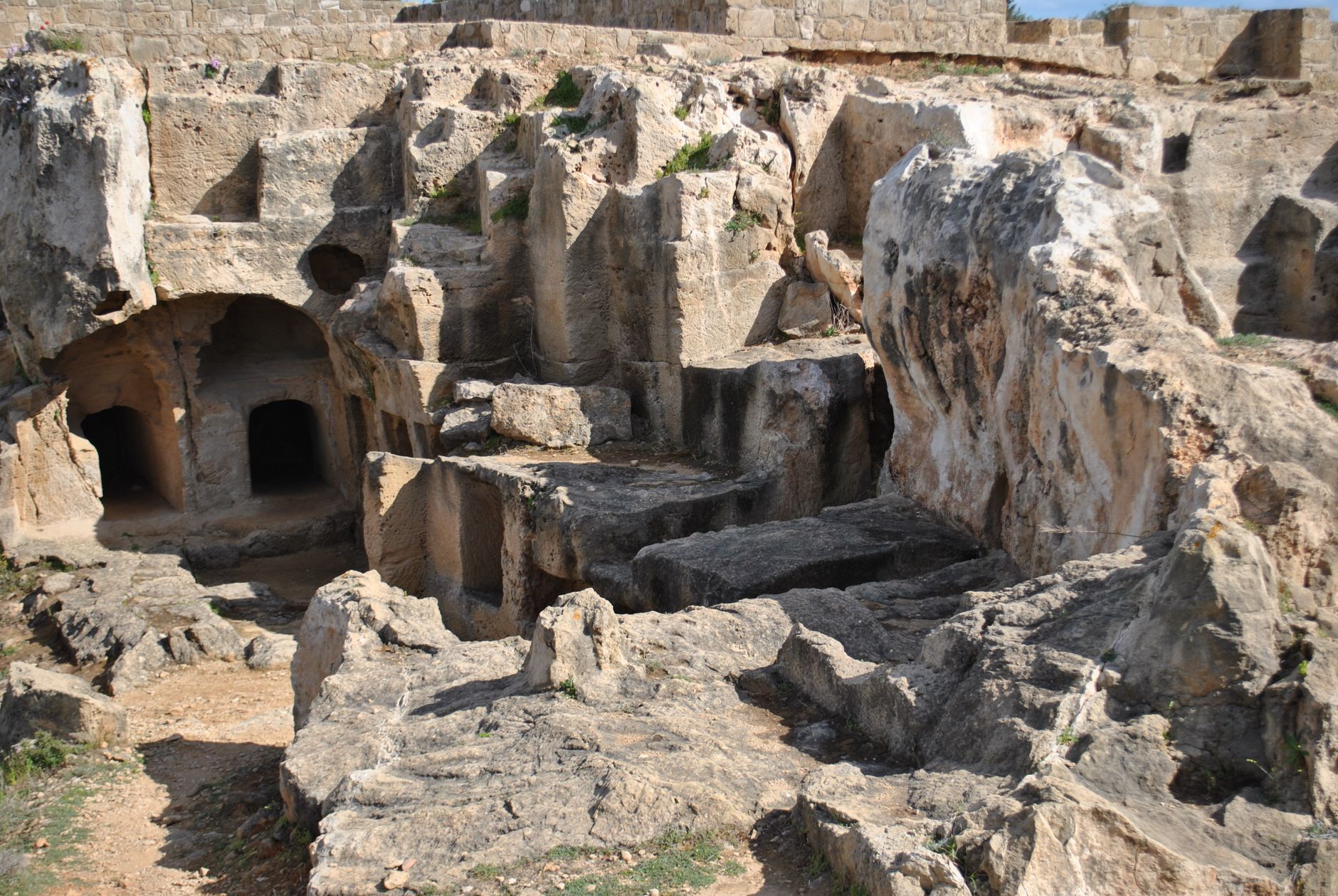
The resurrection of Jesus is one of the cornerstone events in Christian belief, marking the triumph over death and sin. It evokes profound spiritual significance and raises many inquiries about the implications of His physical return after crucifixion. The story of what happened post-resurrection captures not just miraculous occurrences but offers deep insights into faith, community, and the nature of Jesus as the Christ.
This article seeks to explore the events following Jesus’ resurrection, their biblical context, and their implications for believers. We will discuss the various accounts of Jesus’ appearances, the commissioning of His disciples, and the significance of His ascension, all while considering how these events continue to inform Christian practices and beliefs today.
What Happened to Jesus After Resurrection?
After His resurrection, Jesus appeared to many of His followers, providing them with comfort and instruction. These appearances serve as foundational events asserting His divinity and the premise of faith for His followers. Biblical accounts primarily from the Gospels—Matthew, Mark, Luke, and John—offer various perspectives on these appearances, allowing us to understand the implications of Christ’s resurrection more comprehensively.
Post-Resurrection Appearances
Jesus made multiple appearances to His disciples and other followers after He rose from the dead, as recorded in the New Testament. Some of the most notable appearances include:
- Mary Magdalene: The first person to see the resurrected Jesus, as recorded in John 20:11-18, where He reveals Himself to her in the garden, instructing her not to cling to Him.
- The Disciples on the Road to Emmaus: In Luke 24:13-35, Jesus travels with two disciples along the road, engaging them in conversation and revealing the Scriptures concerning Himself, ultimately recognized in the breaking of bread.
- The Gathering of the Disciples: In John 20:19-23, Jesus appears to the disciples when they are in hiding. He shares a message of peace and empowers them with the Holy Spirit.
- Thomas’s Doubt: In John 20:24-29, Jesus appears again to the disciples when Thomas is present, inviting him to touch His wounds to dispel his doubts.
Commissioning of the Disciples
One of the pivotal moments after the resurrection is when Jesus commissions His disciples. This significant event emphasizes the role of believers in spreading the Gospel. In Matthew 28:16-20, known as the Great Commission, Jesus instructs His disciples to go forth, make disciples of all nations, baptize them, and teach them to obey all His commands. This directive illustrates the transition from Jesus’s earthly ministry to the mission of His followers.
The Importance of the Ascension
Following His resurrection appearances, Jesus ascended into heaven. The ascension is recorded in Luke 24:50-53 and Acts 1:9-11. It carries tremendous theological significance, indicating Jesus’ exaltation and sovereignty over all creation.
Some key implications of the ascension include:
- Affirmation of His Divinity: The ascension serves as a testimony to His divine nature, confirming that Jesus is the Son of God, who triumphed over death.
- Preparation for the Holy Spirit: Before His ascension, Jesus promises the disciples the coming of the Holy Spirit, preparing them for the empowerment that would enable their mission (Acts 1:4-5).
- Hope for Believers: The ascension holds the promise of His return, an event Christians look forward to as a fulfillment of God’s eternal plan.
Theological Context of the Resurrection
The resurrection of Jesus is celebrated through various Christian traditions, underscored by theological interpretations that deepen its significance. Within Christian doctrine, it serves multiple purposes:
- Victory Over Sin and Death: Jesus’ resurrection is interpreted as the ultimate victory over sin, providing believers with hope for their own resurrection and eternal life with God.
- Reaffirmation of Faith: The resurrection is central to the Christian faith—without it, the Apostle Paul explains in 1 Corinthians 15:14 that preaching is futile, and faith is in vain.
- Foundation of Christian Hope: The resurrection assures believers of the reality of life beyond death, fostering enduring hope during times of struggle or loss.
Rituals and Festivals Reflecting the Resurrection
The resurrection is commemorated in several Christian rituals and festivals, each reflecting differing aspects of this event’s significance:
- Easter Sunday: This is the most prominent celebration of the resurrection, observed with services, feasting, and various traditions like sunrise services and festive meals, symbolizing new life.
- Communion: The Lord’s Supper or Eucharist is a ritual that recalls Jesus’ last supper with His disciples, representing His sacrifice and the new covenant through His blood, renewed through participation in remembrance of His resurrection.
- Baptism: Often associated with the resurrection theme (Romans 6:4), baptism symbolizes believers’ identification with Christ’s death, burial, and resurrection, reflecting their new life in Him.
Practical Implications for Today’s Believers
The resurrection story is not solely an ancient event; it has profound implications for modern believers. How one lives in light of the resurrection can shape attitudes, behaviors, and spiritual growth:
- Practicing Forgiveness: Understanding that Jesus forgave even those who betrayed, denied, and crucified Him encourages believers to extend forgiveness to others.
- Living with Hope: In a world often filled with despair, believers can draw strength from the resurrection, fostering resilience in trials and a perspective of eternal hope.
- An Invitation to Community: The resurrection story emphasizes communal faith. Engaging in a church community encourages accountability, support, and shared worship experiences.
Further Reflections on Resurrection
As believers contemplate the resurrection, they are encouraged to engage in practices that deepen their understanding and connection to this pivotal event:
- Read scripture passages related to the resurrection, such as Matthew 28, Mark 16, Luke 24, and John 20 for a fuller picture of the accounts.
- Participate in community services or discussions focused on the significance of Easter and its teachings, fostering fellowship and shared learning.
- Engage in personal reflection or journaling to explore how the resurrection informs your faith and daily life, considering questions of hope, forgiveness, and mission.
Conclusion
The resurrection of Jesus is a transformative event with far-reaching implications for faith and practice. It serves as a foundation for Christian beliefs about eternal life, forgiveness, and community. Understanding what happened to Jesus post-resurrection enriches one’s spiritual journey and encourages believers to share the hope and truths of the resurrection in their daily lives.
As you reflect on the resurrection’s significance, consider how you can actively embody its teachings, perhaps through a communal worship experience or by deepening your engagement with scripture. Explore related readings and community teachings to enhance your understanding of these important themes.
For more insights into food as a spiritual practice, you can read about Bible verses about food or explore prayers for fasting as they relate to spiritual nourishment.