
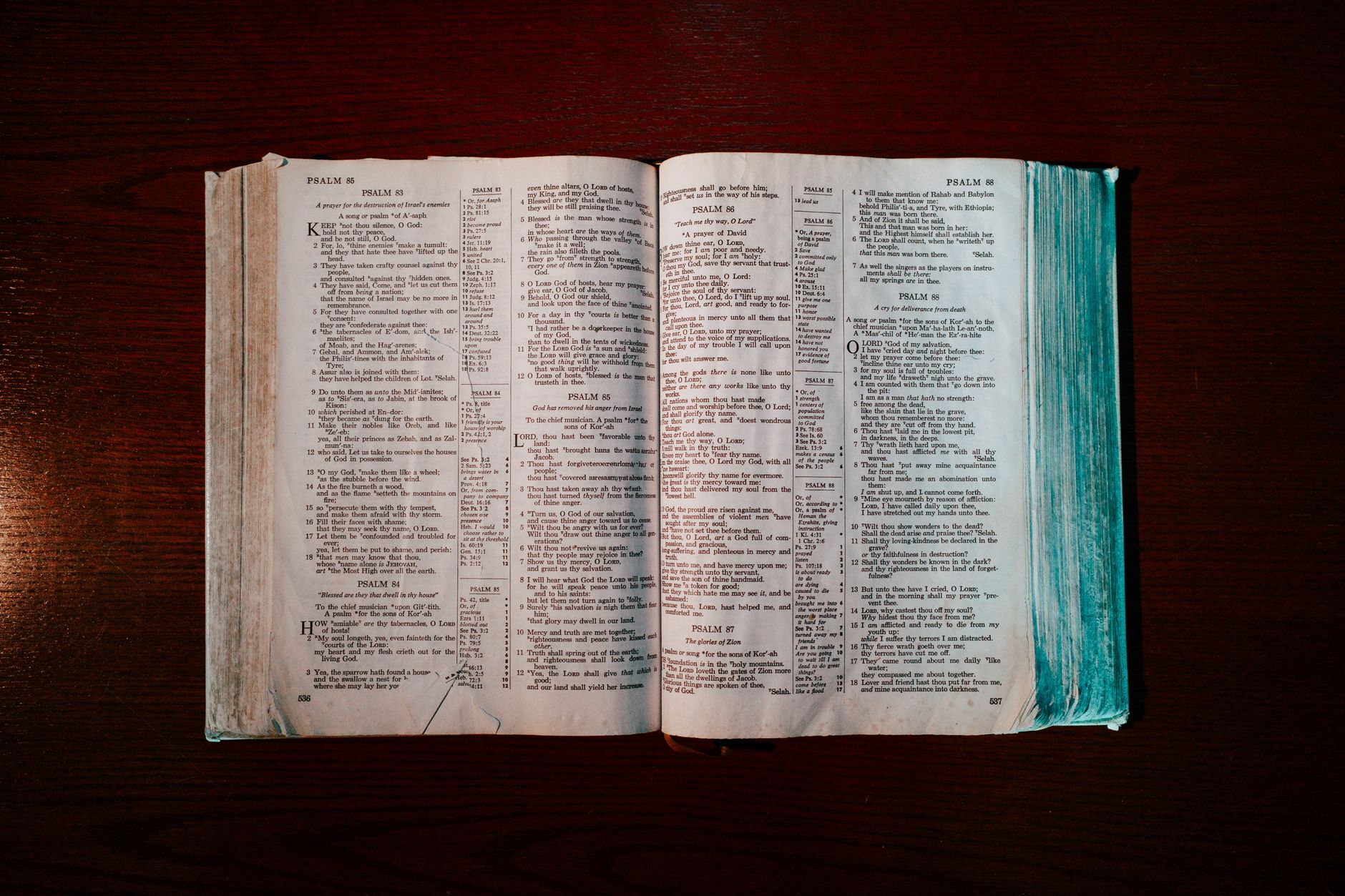
The inquiry surrounding the figure Mazikeen often surfaces in discussions about biblical references versus popular culture portrayals. To clarify, Mazikeen is not mentioned in the Bible as a character or figure, but rather originates from comic series and television adaptations that have taken creative liberties with various mythological and religious elements.
This article will delve into the origins of Mazikeen, how her character contrasts with traditional biblical teachings, and the importance of understanding narrative adaptations in the context of faith and spirituality.
Is Mazikeen in the Bible?
No, Mazikeen does not appear in the Bible. The character is primarily known from the comic book series “The Sandman,” created by Neil Gaiman, and further popularized through the television show “Lucifer.” In these narratives, Mazikeen is depicted as a demon who serves at the side of Lucifer, taking on the role of a fierce and loyal companion. This portrayal is a significant departure from any traditional biblical context where figures such as angels and demons have defined roles based on religious texts.
Understanding the Origin of Mazikeen
Mazikeen’s character first emerged in “The Sandman” comics, published by DC Comics’ Vertigo imprint in the 1980s. Gaiman’s use of this character drew from mythological and cultural themes prevalent in various religious narratives. The concept of demons and servants of evil exists in many religions, but the specific character of Mazikeen crafted by Gaiman has no direct biblical counterpart.
In “Lucifer,” the companion role of Mazikeen is emphasized. She is portrayed with complexities beyond mere obedience, showcasing emotions, struggles, and relationships. This layered character resonates with audiences, inviting deeper examination of how adaptations can reshape our understanding of traditional themes and figures.
The Contrast of Mazikeen with Biblical Figures
When comparing Mazikeen with biblical figures, it is critical to acknowledge several differences:
- Character Background: Biblical angels and demons are often outlined with specific purposes, moral alignments, and are typically not depicted with the same level of emotional depth or complexity as Mazikeen in popular media.
- Role Within the Narrative: In Christianity and Judaism, angels serve God and carry out divine missions. Demons, traditionally understood in the context of rebellion against divine authority, do not possess the human-like qualities seen in Mazikeen.
- Theological Implications: The stories of angels and demons in the Bible are often grounded in teachings about morality, ethics, and the human experience of sin and redemption—elements that popular adaptations can blur.
The Importance of Narrative Adaptations
Adaptations of figures from religious texts into modern narratives serve several purposes:
- Cultural Reflection: Characters like Mazikeen can reflect contemporary ideas about good and evil, free will, and loyalty that resonate with modern audiences.
- Engagement with Spiritual Themes: Often, adaptations encourage viewers to engage with deep spiritual questions, even if they do not reflect traditional beliefs accurately.
- Exploration of Moral Ambiguity: Contemporary storytelling frequently embraces moral ambiguity, prompting audiences to reconsider rigid classifications of good and evil.
Revisiting Spiritual Themes Through Mazikeen
The character of Mazikeen, though not biblically grounded, can inspire reflections on various spiritual themes that are relevant across many traditions:
1. Self-Identity and Transformation
Mazikeen’s journey can be seen as an exploration of self-identity and transformation. In many cultures, the quest for understanding oneself in relation to the divine is a central theme. Engaging with the character of Mazikeen can encourage personal reflection on:
- What aspects of ourselves need transformation?
- How do our loyalties shape our identities and spiritual paths?
2. Loyalty and Relationships
The loyalty of Mazikeen to Lucifer and her struggles with this allegiance can prompt inquiries into the nature of loyalty in our spiritual lives. Consider reflecting on:
- Who or what do we serve in our lives?
- How can our relationships lead us closer to or further from our spiritual goals?
3. Questioning Good and Evil
The portrayal of characters as morally complex can lead to discussions about good and evil. It encourages viewers to consider the factors that influence behavior. Some reflections may include:
- What experiences shape our understanding of right and wrong?
- How do we reconcile actions that may appear evil when viewed from a different perspective?
The Role of Spiritual Literacy
Understanding the distinction between biblical figures and their adaptations is part of developing spiritual literacy. It is crucial to engage with spiritual narratives critically. This involves:
- Exploring original texts and their interpretations.
- Recognizing adaptations as different mediums that convey themes but may not uphold doctrinal truths.
- Considering the effects of popular culture on spiritual beliefs.
As we explore characters like Mazikeen, it is essential to appreciate the layers of meaning these adaptations add to our understanding of spirituality, morality, and human experience. While she does not exist in biblical texts, Mazikeen serves as a contemporary lens through which complex spiritual questions can be examined.
For those seeking to deepen their spiritual growth, returning to foundational texts is invaluable. This grounding helps to navigate the relationships between belief, narrative, and the quest for understanding. To further explore this theme, consider reading biblical verses about food for the soul or verses about eating together to enhance your spiritual practices. Engaging with these concepts can enrich personal exploration and communal bonds.
We invite readers to further explore related topics in religion and spirituality. For more insights, check out Bible Verses About Eating Together and Bible Verses About Food for the Soul.