
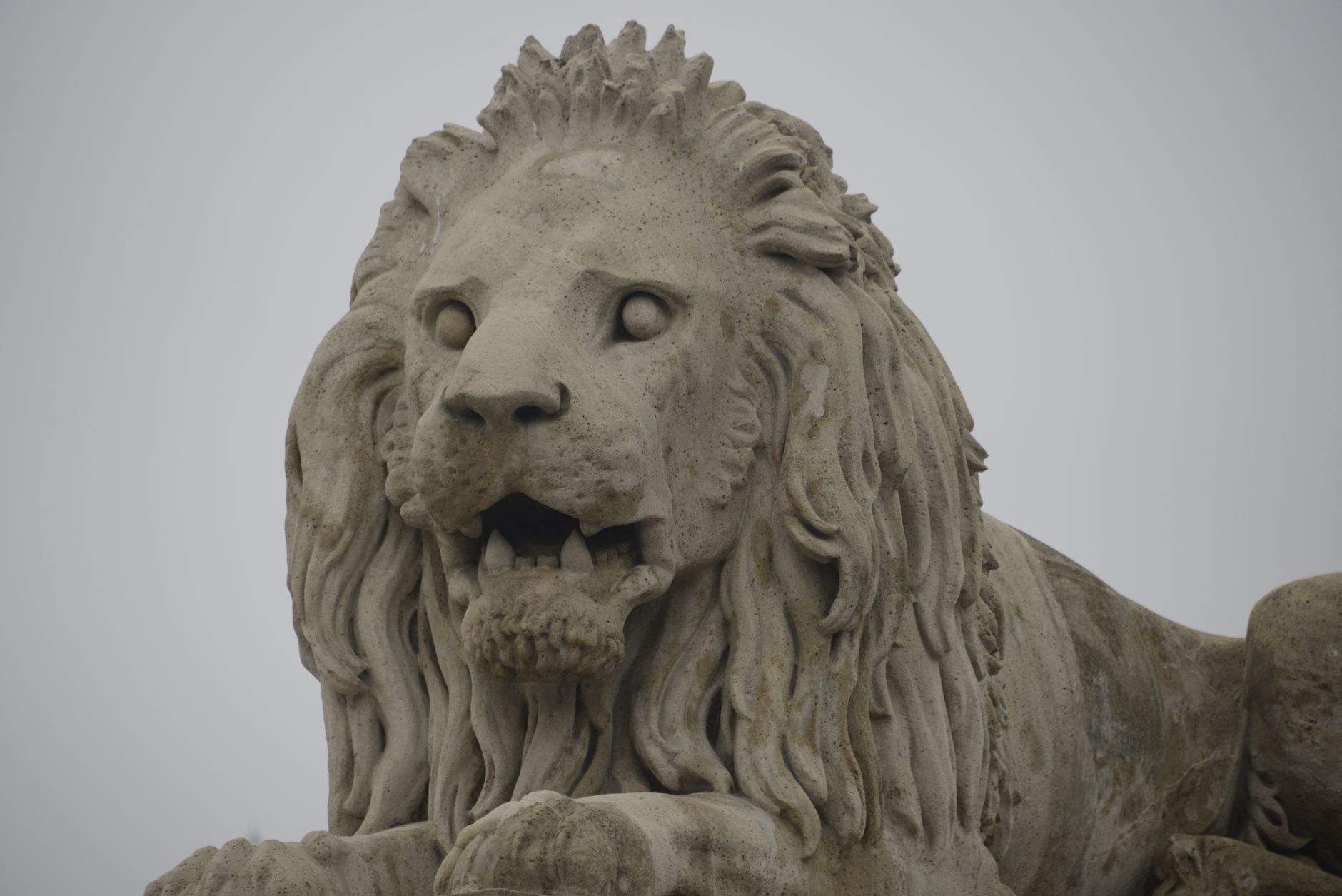
The lion is a significant figure in various religious texts, particularly in the Bible, where it serves as a symbol of strength, courage, and divine protection. Throughout scripture, the lion embodies both literal and metaphorical meanings, reflecting aspects of God’s character and establishing a focal point for understanding faith and power.
This article delves into what the lion represents in the Bible, exploring its various depictions, the contexts in which it appears, and its implications for spiritual growth. By examining these elements, we can gain a deeper understanding of how this majestic creature symbolizes essential truths within the Christian faith.
What Does the Lion Represent in the Bible?
In biblical literature, the lion represents a range of attributes, including strength, nobility, and divine authority. Traditionally, lions are associated with ruling and leadership, reflecting both earthly kings and the King of Kings — Jesus Christ. This multifaceted symbolism plays a significant role in shaping Christian theology and enhances the believer’s faith journey.
Strength and Courage
Lions are often regarded as one of the most powerful creatures in the animal kingdom, representing strength, bravery, and resilience. In the Bible, the lion embodies these qualities, instilling confidence in God’s protection and authority. A prime example of this representation is found in Psalms:
“The lion has roared; who will not fear? The Sovereign LORD has spoken; who can but prophesy?” (Amos 3:8, NIV)
This verse powerfully illustrates the lion’s role as a symbol of God’s might and the reverence due to God’s words. Believers are encouraged to cultivate strength and bravery in their own lives, trusting in God’s power to guide and protect them.
The Lion of Judah
One of the most recognizable symbols in the Christian faith is the “Lion of Judah,” referring to Jesus Christ. The title originates from the prophetic blessing of Jacob in Genesis, when he declares:
“Judah is a lion’s cub; from the prey, my son, you have gone up. He stooped down; he crouched as a lion and as a lioness; who dares rouse him?” (Genesis 49:9, ESV)
This passage highlights Judah’s royal lineage and foreshadows the Messiah’s coming strength and kingship. In Christian theology, Christ is identified as King, whose attributes include power, leadership, and righteous judgment.
Protection and Safety
The lion, as a protector, is commonly depicted in scripture as synonymous with defense and security. Proverbs declares:
“The righteous are as bold as a lion.” (Proverbs 28:1, NIV)
This proverb encourages believers to stand firm in their faith, affirming that divine righteousness endows individuals with the strength to face challenges without fear. The image of the bold lion serves as an inspiration to be courageous, assured in God’s protection.
The Lion as a Symbol of Judgment
Lions also represent judgment and authority, reflecting God’s right to judge sin and govern the world. In the book of Revelation, Jesus is referred to as the “Lion of the tribe of Judah” again, signifying His role in the final judgment:
“And one of the elders said to me, ‘Weep no more; behold, the Lion of the tribe of Judah, the Root of David, has conquered, so that he can open the scroll and its seven seals.'” (Revelation 5:5, ESV)
This passage highlights both the power and the authority of Christ as a ruler who conquers death and sin, establishing justice. The lion’s portrayal here emphasizes hope for believers, reminding them of the final victory over evil.
Spiritual Attributes of the Lion
The lion, in various contexts, can also signify deeper spiritual attributes beneficial for personal growth and a more robust faith experience. These can be categorized as follows:
- Courage: Lions are fearless leaders, and this courage is a call for believers to face adversities with faith.
- Nobility: The noble image of the lion encourages a lifestyle of integrity, honor, and dignity among believers.
- Strength: Just as the lion embodies raw power, believers are encouraged to draw strength from their faith in God during difficult times.
- Leadership: The lion’s role as a leader serves as a reminder for individuals to cultivate leadership qualities in their communities and families.
Through reflection on these attributes, individuals can seek to embody the characteristics of the lion, fortifying their spiritual lives and impacting those around them.
The Lion in Literature and Popular Culture
The symbolism of the lion extends beyond religious texts into literature, art, and popular culture, reinforcing its thematic importance. From C.S. Lewis’s portrayal of Aslan in *The Chronicles of Narnia* to the heraldic use in coats of arms, the lion stands as a figure of bravery and moral courage.
These representations help solidify the lion’s dual role as both protector and moral leader, echoing through generations and cultures.
The Lion in Art and Iconography
Artists and iconographers have long used the lion to convey themes related to divinity and righteousness. In Christian iconography, lions often accompany representations of saints, illustrating their courage and faithfulness in adversity. Luther’s significance in the Protestant Reformation, for instance, is often depicted alongside a lion to symbolize his boldness in confronting the church authorities of his time.
This artistic tradition serves as a visual reminder of the call to embody the lion’s qualities in our lives. Observing these images can inspire meaningful reflections on individual courage and resolve.
The Lion in Modern Society
In contemporary culture, the lion’s symbolism persists, often invoking notions of strength and ambition. Through various media, the lion represents not only physical prowess but also serves as a metaphor for personal challenges and triumphs.
Events such as sports competitions often adopt lions as mascots, emphasizing the qualities of courage and strength. This popular use reinforces the biblical message of striving for greatness and overcoming adversity.
Practical Spiritual Exercises
Believers can engage with the lion symbolism to foster spiritual growth and introspection. Here are some practical spiritual exercises that draw on the attributes associated with the lion:
- Reflection on Courage: Spend time journaling about a situation where you need to exhibit courage. How can you draw strength from your faith to overcome it?
- Leadership Development: Identify areas in your life where you can lead by example. What lion-like qualities can you emulate to inspire those around you?
- Prayers for Strength: Create a prayer routine centered on seeking divine strength and protection. Use specific scripture passages, including those related to the lion, to guide your petitions.
- Community Support: Organize or participate in a group discussion focusing on the lion’s qualities, sharing personal experiences where these traits helped you or others.
Incorporating these exercises into your spiritual practice can help foster a deeper connection with the attributes the lion represents, ultimately encouraging personal growth and transformation.
Conclusion
The lion in the Bible is a rich symbol that conveys power, courage, protection, and authority. Engaging with these attributes allows believers to reflect on their spiritual journeys while drawing strength and inspiration from the lion’s qualities. Understanding this symbolism empowers individuals to embrace their challenges, lead courageously, and connect with God in profound ways.
As you deepen your understanding of the lion’s representation in scripture, consider engaging in the suggested spiritual exercises. They may guide you on your path of personal growth and encourage a more meaningful faith life.
For further exploration of themes related to faith and spirituality, consider reading articles such as Bible Verses About Food and Bible Verses About Sharing Your Faith. These resources can offer additional insights that are beneficial to your spiritual journey.