
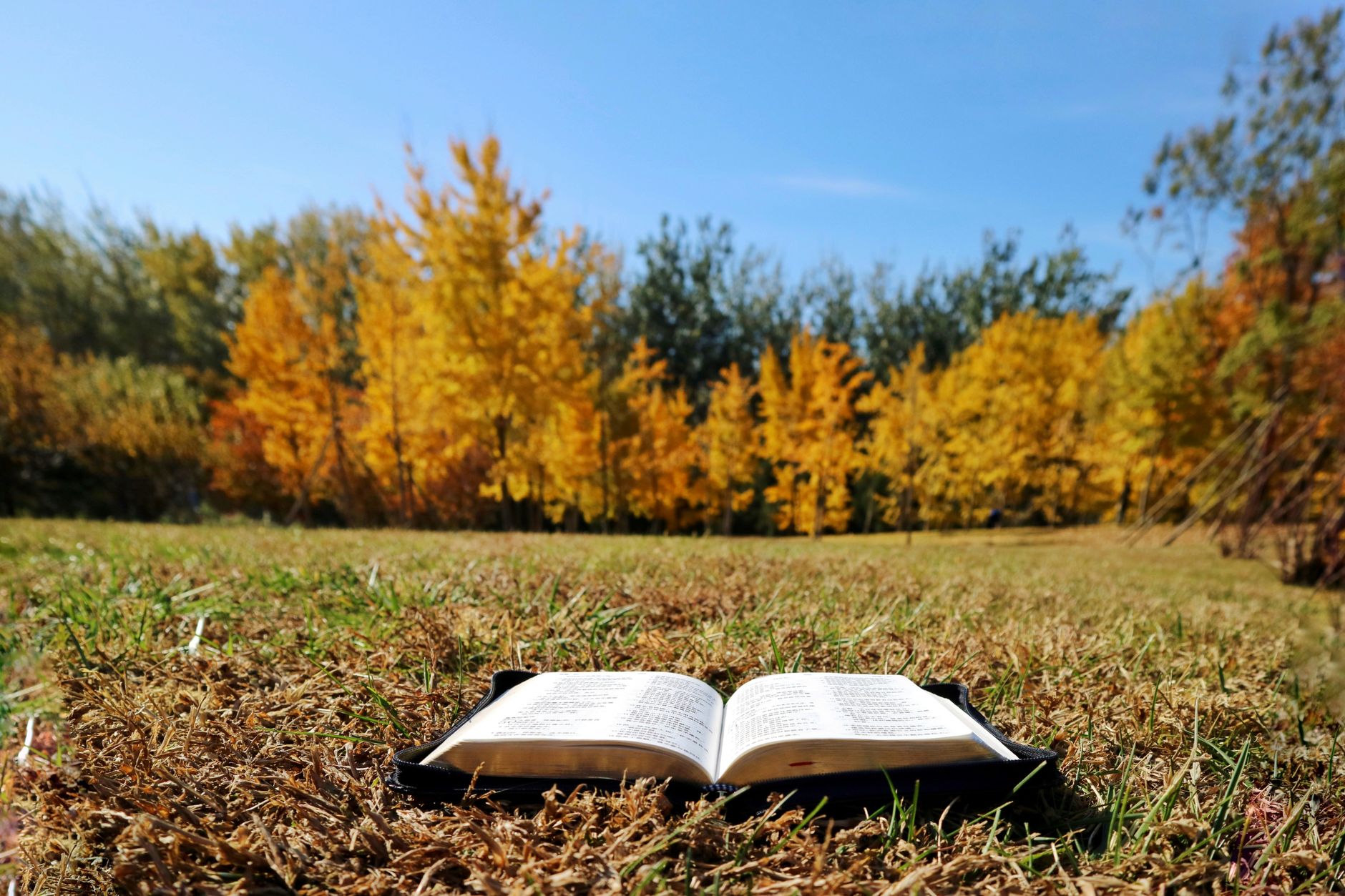
The Bible is one of the most revered texts across multiple religious traditions, containing sacred scriptures for Judaism and Christianity. For many believers, reading the Bible is an essential part of spiritual growth, reflection, and connection to their faith. However, many individuals wonder how long it would take to read through this extensive collection of writings.
Understanding how to approach reading the Bible can lead to a deeper appreciation of its contents. This article explores the length of the Bible, provides insights into different reading plans, and offers reflections on the meanings within its verses. Whether you are looking to read the Bible in its entirety or want to focus on key passages, knowing the time commitment involved can assist in establishing a meaningful spiritual practice.
How Long Would It Take to Read the Bible?
Reading the Bible is a significant undertaking, and the time it takes varies based on several factors, including reading speed, familiarity with the text, and chosen reading plan. On average, the Bible contains approximately 1,189 chapters and over 31,000 verses. Considering this, the following estimates can help clarify the time commitment required.
- For an average reading speed of about 250 words per minute, it typically takes around 70 to 80 hours to read the entire Bible.
- If a reader dedicates 30 minutes a day to reading, it would take approximately 4 to 5 months to complete the Bible.
- Shorter reading plans exist, such as reading specific books or sections, which can be completed in a shorter time, often ranging from a few weeks to a couple of months.
Factors Affecting Reading Time
Several factors influence how long it takes to read the Bible, including personal circumstances and the chosen approach. Below are key considerations:
1. Reading Speed
Your reading speed plays a crucial role in determining how long it will take to read the Bible. While some may read quickly, others may prefer to ponder the text at a slower pace, absorbing the context and meanings behind each passage.
2. Familiarity with Scripture
3. Reading Plan
The choice of reading plan significantly affects how you approach the Bible. Some popular methods include:
- Chronological reading plans that follow the timeline of events.
- Book-by-book reading that focuses on one book at a time for deeper understanding.
- Thematic reading that explores specific topics across various scriptures.
Tips for Reading the Bible Effectively
Reading the Bible can be more rewarding with a structured approach. Here are strategies to enhance your reading experience:
1. Set Realistic Goals
Establish achievable goals regarding how much you want to read each day. Whether you aim for a chapter, a specific number of verses, or a timeframe, setting realistic expectations keeps you accountable and encourages gradual progress.
2. Create a Comfortable Reading Environment
Designating a quiet and comfortable space for reading can foster focus and spiritual contemplation. Consider adding items that inspire you, such as candles or inspirational artwork, to create an intentional atmosphere.
3. Take Notes
Journaling your thoughts, questions, and reflections while reading can deepen your understanding of the text. Consider using a separate notebook or a dedicated section within your Bible for recording insights and noteworthy passages.
Integrating Prayer and Reflection
Pairing your reading with prayer and reflection can enrich your spiritual experience. Here are suggestions for integrating these practices:
1. Begin with Prayer
Starting your reading with a short prayer for guidance and understanding can prepare your heart and mind for what you are about to read. Consider asking for clarity, insight, and an open spirit as you engage with the text.
2. Reflect on Key Verses
As you read, take time to pause and reflect on key verses that resonate with you. These moments of contemplation allow for deeper connections with the scripture and can offer personal relevance in your life.
3. Engage in Group Study
Consider participating in group Bible study sessions. Engaging in conversations about the readings allows for a variety of perspectives and enriches understanding. Listening to others’ interpretations can offer new insights into familiar passages.
Thematic Exploration in the Bible
The Bible contains numerous themes, each presenting different aspects of faith, morality, and human experience. Exploring these themes can provide context and depth to your readings.
1. Faith and Trust
Many narratives throughout the Bible emphasize the significance of faith and trust in God. These themes remind believers of the power of divine sustenance and the importance of reliance on faith, especially during challenging times.
2. Love and Compassion
Love is a central theme in scripture, with many teachings focused on loving one another, neighbors, and even enemies. Reflecting on passages about love promotes empathy and compassion in daily interactions.
3. Redemption and Forgiveness
Stories of redemption and forgiveness abound in the Bible, offering hope and renewal. These themes invite readers to acknowledge their imperfections and extend grace to themselves and others.
Long-Term Engagement with the Bible
Reading the Bible is not merely a one-time task; it is a lifelong spiritual journey. Here are ways to cultivate ongoing engagement:
1. Daily Devotional Practice
Incorporating daily devotionals that correspond with scripture can maintain a connection to Biblical teachings. Devotionals often provide reflections, prayers, and prompt spiritual growth.
2. Memorization of Verses
Memorizing key verses can foster meaningful connections to specific teachings and reinforce important principles in your life. Consider choosing verses that resonate personally to support spiritual practices.
3. Using Technology
Various apps and online resources can support your reading journey. These tools can offer reminders, reading plans, community discussions, and even audio versions of the Bible for those on the go.
Conclusion
Reading the Bible is a deeply enriching experience that can take time. Understanding how long it might take, setting a structured approach, and integrating prayer and reflection can significantly enhance the journey. Whether you choose to read the Bible in its entirety or focus on thematic chapters, remember that each passage provides a unique opportunity for connection and spiritual growth.
As you embark on or continue your reading journey, consider what specific passages challenge you or bring comfort. Reflect on how scripture informs your understanding of faith and ethics in the context of your life. Engaging with sacred texts is not merely about reaching a destination but embracing the process of spiritual discovery.
To further enrich your spiritual practice, explore related topics such as Bible verses about food or prayers for food. These will deepen your understanding of how scripture intersects with daily life and nourish your spiritual growth.