
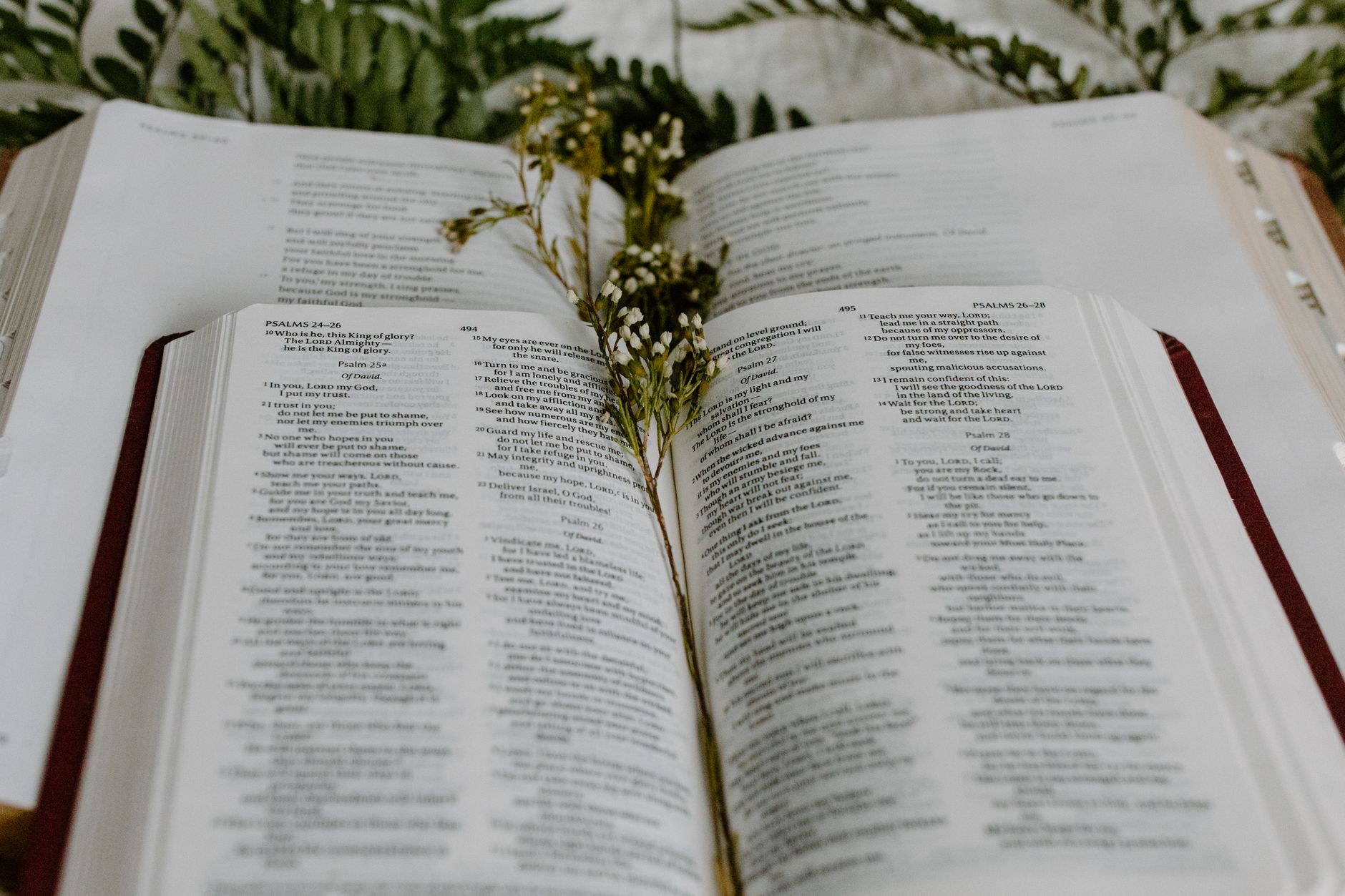
The Bible is a rich tapestry of knowledge, tradition, and spirituality, often referring to plants and herbs to convey deeper truths about life, faith, and God’s creation. Sage, known for its culinary and medicinal benefits, also has its noteworthy place in scripture. This article explores the references to sage in the Bible, seeking to understand its significance and the lessons it imparts to readers today.
Understanding the biblical context of sage provides insights into the spiritual symbolism associated with this herb. It is important to analyze scripture through historical and cultural lenses to grasp its intended meanings. Let’s dive into the significant scriptural mentions of sage and the insights they offer.
What Does the Bible Say About Sage?
Interestingly, while sage is not explicitly named in most widely used translations of the Bible, it does appear in some versions and is often associated with broader discussions around herbs and plants that were significant in biblical times. The herb has been linked, through various translations, to wisdom and sacredness, often serving as a symbol of purification.
The Symbolism of Herbs in the Bible
In biblical literature, many herbs and plants symbolize various spiritual qualities. Herbs such as hyssop, mint, and rue are frequently mentioned as elements of rituals or as metaphors for virtues like purity, healing, and faithfulness.
- Purification: Herbs often symbolize spiritual cleansing. For example, hyssop is mentioned in Psalm 51:7, which states, “Purge me with hyssop, and I shall be clean; wash me, and I shall be whiter than snow.” This idea of purification extends to other herbs, creating a shared theme throughout scripture.
- Wisdom and Knowledge: The wise guidance of God and the importance of living in accordance with His word find parallels in the properties of certain herbs, which have historically been used for healing and grounding practices.
- Divine Provision: Herbs serve as reminders of God’s abundant provision for human needs in both physical and spiritual realms.
Sage in Cultural and Religious Practices
Sage has held significant roles beyond its mention in biblical texts, especially in various cultural and religious practices. It is widely recognized for its use in purification rituals among many Indigenous cultures and in some Christian practices. The burning of sage, often referred to as smudging, is a sacred practice intended to clear negative energy and invite healing.
The herb’s significance as a purifying agent resonates with biblical themes of sanctity and renewal, making it a profound symbol in various spiritual traditions.
The Use of Sage in Purification Rituals
Many cultures embrace sage as a potent tool for cleansing. This tradition is grounded in the understanding that the smoke of burning sage has protective and purifying qualities. While the Bible doesn’t instruct the burning of sage specifically, the concepts of purification and making oneself holy are deeply embedded in the faith.
In biblical teachings, believers are encouraged to maintain purity in thought and action. The use of sage in rituals can serve as a physical manifestation of the spiritual desire to live a life aligned with God’s principles.
Exploring the Biblical References to Plants and Herbs
While sage itself is not a central herb in biblical texts, other herbs that might cross paths with sage in meaning include:
- Hyssop: as mentioned earlier, serves as a symbol of purification.
- Mustard Seed: represents faith; the growth of a small seed into a large tree symbolizes the potential of belief.
- Olive Tree: often symbolizes peace and God’s covenant with humanity.
Each of these herbs adds layers of meaning to scripture, painting a vivid picture of spiritual and moral teachings that believers can reflect upon. Understanding these herbs and their applications invites a deeper contemplation of one’s faith and the living Word that continues to inspire.
The Role of Interpretation in Understandings of Sage
Interpretative traditions help elucidate the role of sage and similar herbs within religious practices. For instance, the practice of reading scripture through a cultural lens can yield richer insights. In some Christian teachings, the examination of creation—including plants like sage—reveals God’s intricate design and the wisdom present in nature.
While sage may not be directly mentioned in many translations, its attributes can be explored through a spiritual sensibility that recognizes the value of all creation in understanding divine wisdom. Such understanding encourages a respect for nature as a manifestation of the Creator’s hand.
Ethics and Spirituality: The Call to Stewardship
Sage’s very presence in the natural world invites contemplation of the broader ethical responsibility that comes with creation. Since herbs like sage have historically served purposes in health, healing, and rituals, acknowledging their origins allows believers to engage in responsible stewardship.
The Bible emphasizes caring for creation as a mandate from God, as seen in Genesis 1:28, where humanity is instructed to “subdue” and “have dominion” over the earth. This carries a deep ethical implication: to care for the earth and all its inhabitants, fostering a relationship of respect and reverence.
Practical Spiritual Reflection on Sage
Engaging with the concept of sage and its biblical connections can lead to various practical spiritual exercises. Here are some reflective questions and activities that can aid personal growth:
- Reflect on Purity: Consider areas of your life in need of spiritual cleansing. What practices can you undertake to invite a sense of renewal?
- Explore Nature: Spend time in nature, observing plants and herbs. Consider their roles in your life and how they symbolize wider spiritual truths.
- Engage in Rituals: If comfortable, include sage or other herbs in your prayer or meditation rituals. Allow the fragrance and properties to enhance your experience of divine presence.
Conclusion: Embracing Knowledge and Spiritual Growth
The exploration of sage within the context of the Bible and beyond opens avenues for understanding faith and spirituality deeply. While sage may not be prominently featured in scripture, its qualities align with several biblical principles, including cleanliness, renewal, and care for creation.
Readers are encouraged to contemplate the lessons found in both the biblical text and nature, fostering a connection with the divine that enriches their spiritual journey. Whether through quiet reflection, prayer, or other practices, the journey through the spiritual landscape remains a vital pursuit in seeking God and understanding His creation.
For a deeper exploration of prayers for sleep and peace, consider visiting prayers for sleep or prayers for peace and strength. These resources can help you find solace and guidance in your spiritual journey.