
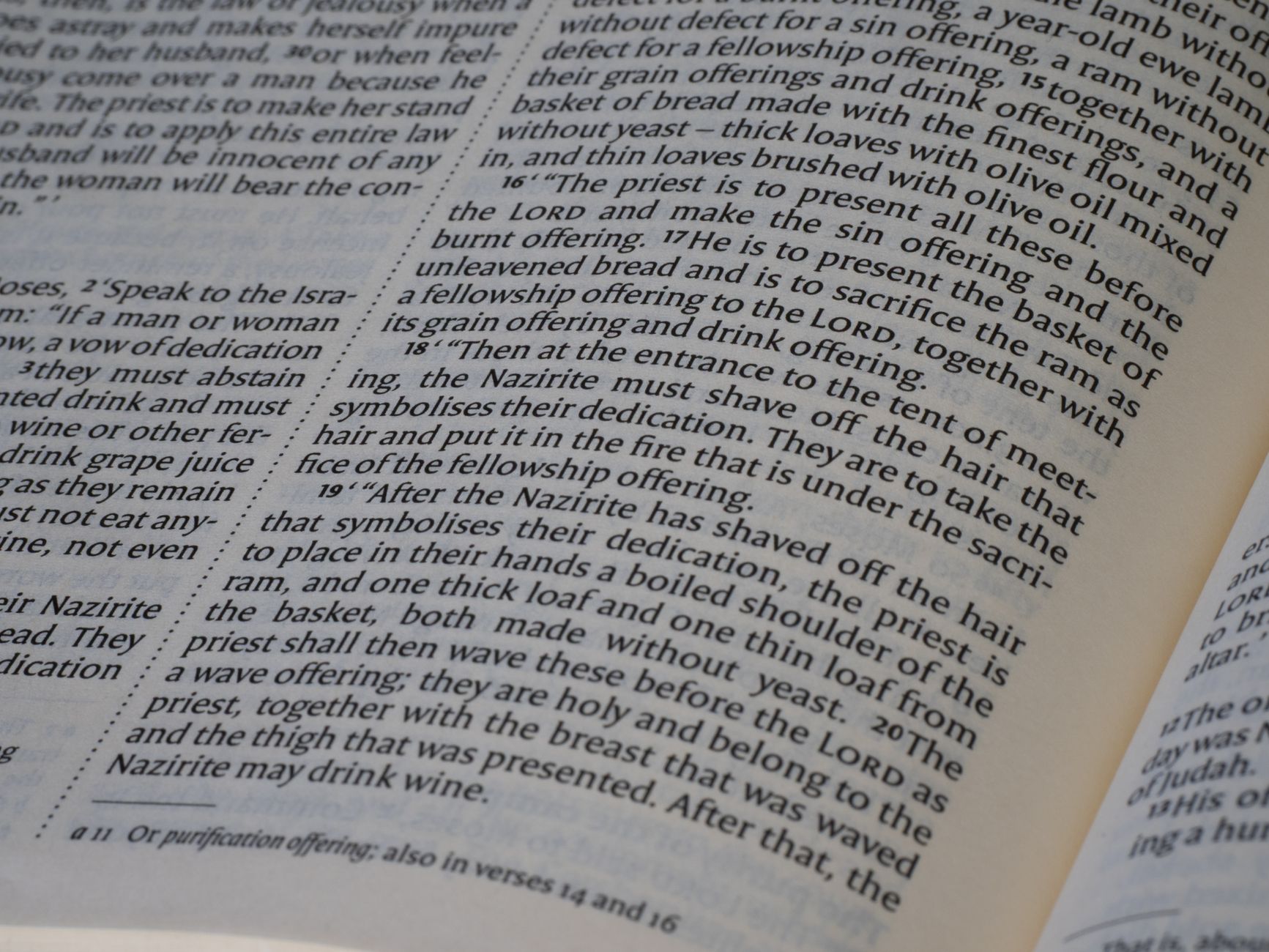
The origins of the Bible are a profound topic that touches many aspects of faith, spirituality, and religious history. The Bible, as the sacred scripture for Christians and equally significant for Judaism through the Tanakh, possesses a rich and complex history that spans centuries. Understanding where the Bible came from involves exploring its historical, geographical, and socio-political contexts, as well as the diverse communities that contributed to its formation.
This article delves into the origins of the Bible, tracing its development from oral traditions to written texts, exploring the various historical locations relevant to its creation, and shedding light on its significance across different faiths. By examining this profound source of spirituality, we can gain insights into its impact on faith communities and the ongoing relevance of its teachings.
Where Did the Bible Come From?
The Bible, comprising the Old and New Testaments, originated in various historical contexts, with texts written over a period of approximately 1,500 years. The Old Testament, central to Judaic tradition and the first part of the Christian Bible, traces much of its history to ancient Israel and Judah. The New Testament, which focuses on the life and teachings of Jesus and the early Christian community, primarily originated in the eastern Mediterranean region.
A Brief Overview of the Old Testament
The Old Testament includes texts sacred to Judaism, such as the Torah, historical narratives, wisdom literature, and prophetic writings. Its origins can be traced back to various locations and times:
- Sinai Peninsula: The Torah, particularly the first five books, is believed to have been given to Moses on Mount Sinai. This event signifies the covenant between God and the people of Israel.
- Ancient Israel: Much of the historical narrative detailing the lives of figures such as David and Solomon is set in ancient Israel, specifically in the regions surrounding Jerusalem.
- Babylon: The Babylonian Exile (586–539 BCE) was critical in solidifying many texts of the Hebrew Bible, as Jewish leaders sought to preserve their religious identity during a time of great upheaval.
The Composition of the Bible
The process of compiling the Bible into its current form involved numerous authors and editors across various generations. This compilation reflects the socio-political and religious contexts of its time. Several key contributions include:
- Oral Traditions: Many Biblical stories began as oral traditions, communicated within communities before being transcribed. This oral culture contributed to the narrative style and teachings found in the texts.
- Various Authors: The Bible features contributions from a diverse group of individuals, including prophets, kings, priests, and scribes. Each author brought unique perspectives and cultural influences to the sacred texts.
- Redaction: The editing and refinement of the texts over centuries often shaped theological and ethical interpretations, which still resonate within religious communities today.
The New Testament Origins
The New Testament contains texts centered on the life, death, and resurrection of Jesus Christ, as well as the teachings of his apostles. Its origins are mostly located in the eastern Mediterranean during the first century CE:
- Judea: Most of the New Testament accounts of Jesus’ life are set in Judea, particularly in locations such as Bethlehem, Nazareth, and Jerusalem.
- Early Christian Communities: Much of the New Testament was written in response to the needs of early Christian communities in cities like Antioch, Corinth, and Rome.
- Letters and Epistles: The letters of Paul, among others, addressed specific issues within early Christian communities, providing guidance on faith and practice.
Historical and Archaeological Evidence
To understand the Bible’s origins fully, scholars often refer to archaeological findings and historical records that support or contextualize biblical narratives. Key examples include:
- Ancient Manuscripts: Manuscripts such as the Dead Sea Scrolls, discovered near Qumran, provide early evidence of biblical texts and confirm their significance within the Jewish community.
- Written Records: Non-biblical sources, such as writings from historians like Josephus, offer insights into the historical context of the events described in the Bible.
- Archaeological Sites: Excavations at sites like Jericho, Jerusalem, and Nazareth help illuminate the lifestyles, practices, and events linked to biblical accounts.
The Role of Translation
As the Bible spread beyond its original language and culture, translation played a crucial role in its accessibility. Key translations include:
- Septuagint: The Greek translation of the Hebrew Scriptures was pivotal in making the Old Testament accessible to Greek-speaking Jews and early Christians.
- Vulgate: Translated by Jerome in the late fourth century, the Vulgate became the standard Bible for the Latin-speaking Church and influenced Christianity throughout the Middle Ages.
- Modern Translations: In contemporary times, various translations aim for accuracy while making the text accessible to modern readers, reflecting different theological perspectives.
The Bible Across Cultures
While the Bible is fundamental within the Christian and Jewish faiths, its themes and teachings resonate broadly across cultures. The universality of its moral and ethical teachings provides a common ground for interfaith dialogue:
- Moral and Ethical Teachings: Many of the principles found in the Bible, such as love, justice, and compassion, are shared by various religious and philosophical traditions worldwide.
- Literary Influence: The Bible’s narratives, poetry, and proverbs have influenced literature, art, and music across cultures and historical periods, reflecting its timeless appeal.
- Active Interfaith Dialogues: Across the globe, numerous interfaith initiatives draw upon biblical principles to foster understanding and cooperation among diverse belief communities.
The Bible’s Impact on Spiritual Growth
Engaging with the Bible contributes significantly to personal and spiritual development. Readers draw reflections and insights that inspire and guide their lives. Practical ways to engage with the Bible for spiritual growth include:
- Daily Reading: Set aside time each day to read and meditate on a passage from the Bible. Consider using a scripture devotional to enhance your understanding.
- Journaling: Keeping a spiritual journal helps track your thoughts, prayers, and reflections on biblical teachings, deepening your personal connection.
- Group Study: Joining a Bible study group encourages discussion and varied perspectives, enriching your understanding through communal exploration.
The Ethical Dimensions of the Bible
The ethical teachings present in the Bible offer guidance on how to navigate personal and social challenges. Key ethical principles include:
- Love and Compassion: The commandment to “love your neighbor as yourself” (Leviticus 19:18) emphasizes empathy and care for others, transcending cultural boundaries.
- Justice: Biblical texts such as Micah 6:8 advocate for justice, mercy, and humility, providing a moral framework for addressing social issues.
- Forgiveness: Teachings on forgiveness highlight the importance of reconciliation and healing within personal relationships and communities.
Preserving the Bible’s Integrity
Over the centuries, there have been various efforts to preserve the integrity of the Bible and its teachings. This involves both textual scholarship and addressing contemporary interpretations:
- Textual Criticism: Scholars study ancient manuscripts to investigate textual variations and understand how biblical texts have been transmitted through history.
- Contextual Interpretation: Engaging in contextual interpretation allows readers to apply biblical teachings relevant to contemporary issues while maintaining fidelity to the original text.
- Ecumenical Approaches: Many denominations participate in ecumenical dialogues to appreciate diverse interpretations while striving for unity in core beliefs.
The Bible as a Living Document
The Bible continues to be a living document for individuals and faith communities. Its teachings evolve alongside society, reflecting the dynamic relationship between faith and culture. As believers engage with the Bible, they may contemplate:
- How do the teachings of the Bible speak to contemporary ethical dilemmas?
- In what ways can the Bible guide personal and communal decision-making?
- How can scripture inform our understanding of global issues and inspire action?
As we explore the origins and significance of the Bible, we are reminded of its enduring power to inspire, challenge, and guide us towards deeper spiritual understanding. Engaging with its narratives and teachings not only facilitates personal growth but also encourages dialogue and unity within a diverse world.
In summary, the Bible’s origins stem from a tapestry of historical events and diverse cultural inputs that reflect its continued relevance today. Individuals are inspired to study its teachings, participate in communal discussions, and apply its moral principles in their lives. Reflecting on these origins can open pathways to deeper faith and understanding.
To further explore the connections between faith and community, consider reading about Bible Verses About Eating Together or view some Prayers for Food. These resources can provide additional insights into the communal aspects of spirituality and the importance of shared faith practices.