
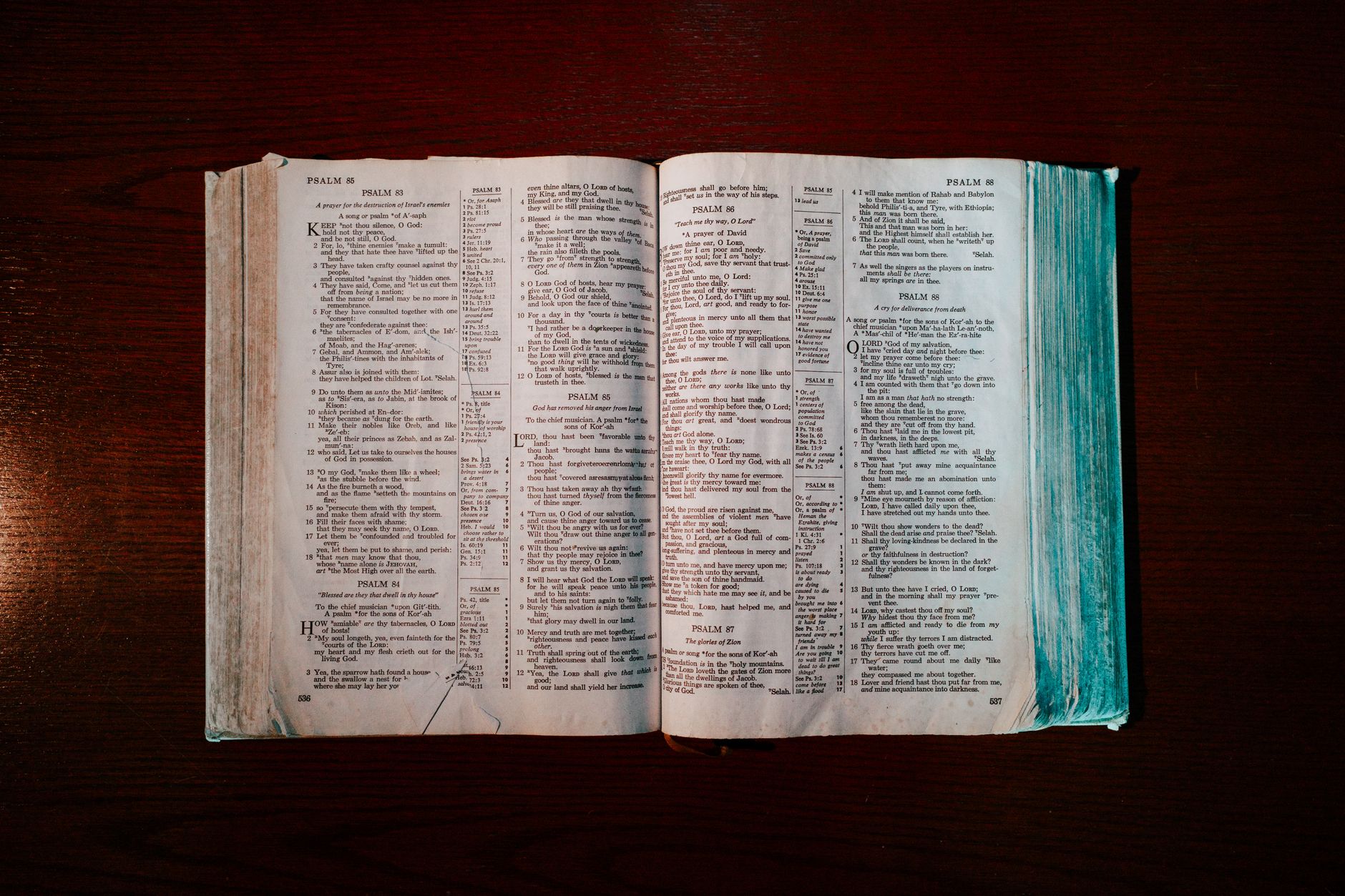
The question of what is the easiest Bible to read often arises for those seeking to explore spiritual texts. Whether you are a newcomer to the Christian faith, engaging in interfaith dialogue, or revisiting scripture from a fresh perspective, selecting a translation that resonates with you is key. This article seeks to provide insights into various Bible translations, focusing on their readability, accessibility, and the unique qualities that may aid your spiritual journey.
Choosing the right Bible can significantly affect your understanding of scripture. Different translations cater to different readers, each with its own style and approach to conveying the message. Let’s explore what makes a Bible translation easy to read and consider some of the most approachable versions available today.
What Is the Easiest Bible to Read?
The easiest Bible to read generally refers to translations that use straightforward language, clear structure, and accessible vocabulary. These translations aim to convey biblical truths without complicated sentence structure or archaic terms that can make comprehension difficult. Some of the most commonly referenced easy-to-read translations include the Contemporary English Version (CEV), the New International Version (NIV), and the New Living Translation (NLT).
Criteria for Choosing an Easy-to-Read Bible
When determining what makes a Bible easy to read, several key factors come into play:
- Language and Vocabulary: The use of modern, everyday language can help convey profound biblical truths without confusion.
- Clarity of Thought: Clear organization and logical flow of ideas can enhance understanding, making complex themes more digestible.
- Paragraph Structure: Breaking text into shorter paragraphs and using headers or lists can help with comprehension.
- Footnotes and References: Helpful annotations can provide additional context without cluttering the primary text.
Popular Easy-to-Read Bible Translations
Contemporary English Version (CEV)
The Contemporary English Version is designed for those who wish to read scripture without stumbling over difficult vocabulary or sentence structures. It uses simple language and aims for clarity, making it a good choice for children and adults alike.
New International Version (NIV)
The New International Version balances readability with a commitment to maintaining the integrity of the original texts. It was developed by a team of scholars and offers a dynamic equivalence approach, making it faithful yet accessible. Many churches use the NIV for its clarity and familiarity.
New Living Translation (NLT)
The New Living Translation also emphasizes readability and employs a thought-for-thought translation method. It is particularly noted for its engaging style and ease of understanding, making it an excellent choice for individuals new to the Bible or those looking for a refreshing read.
The Importance of Context
While readability is essential, understanding the contextual background of biblical passages adds depth to one’s reading experience. It’s beneficial to pair any translation with a simple commentary or study guide that can explain historical, cultural, and theological insights. Context can illuminate the situations in which the texts were written, fostering a richer understanding of the scriptures.
Additional Factors to Consider
Beyond translation choice, consider these practical aspects when selecting a Bible:
- Desired Uses: Will you be reading alone, in a group, or during a service? Different uses may require different translations.
- Study vs. Devotional Reading: If you wish to study deeply, a more traditional translation paired with a commentary may be appropriate. For casual reading, a more dynamic version may better suit your needs.
- Personal Preference: Ultimately, choosing a Bible is a personal journey. Find a translation that resonates with your faith journey and spiritual growth.
Engaging with Scripture
Reading the Bible is not merely an academic exercise; it is often a deeply spiritual practice. Here are some suggestions to enhance your engagement:
- Choose a quiet space where you can read without distractions.
- Set aside dedicated time for reading and reflection.
- Consider keeping a journal to record thoughts, prayers, and insights during your study.
- Engage in conversation with others about your readings to explore different perspectives.
- Pray for understanding and clarity before you begin reading.
Finding Community Support
Joining a Bible study group can also enrich your experience. Many communities offer various Bible study options, from small group gatherings to larger church programs. Engaging with others can foster discussions that enhance understanding and growth.
Conclusion
The journey of reading the Bible is as personal as the individual embarking on it. No single translation may work for everyone, and preferences can change over time. The key is to approach your readings with an open heart and mind, ready to be inspired and transformed. Consider starting with translations like the CEV, NIV, or NLT, and allow the richness of scripture to nurture your soul.
In your exploration, reflect on questions such as: What passages resonate most with my life experiences? How can I apply biblical principles to my daily living? May your reading journey be filled with insight and spiritual growth.
For related articles about spirituality and faith matters, feel free to explore Bible verses about hunger or food for the soul.