
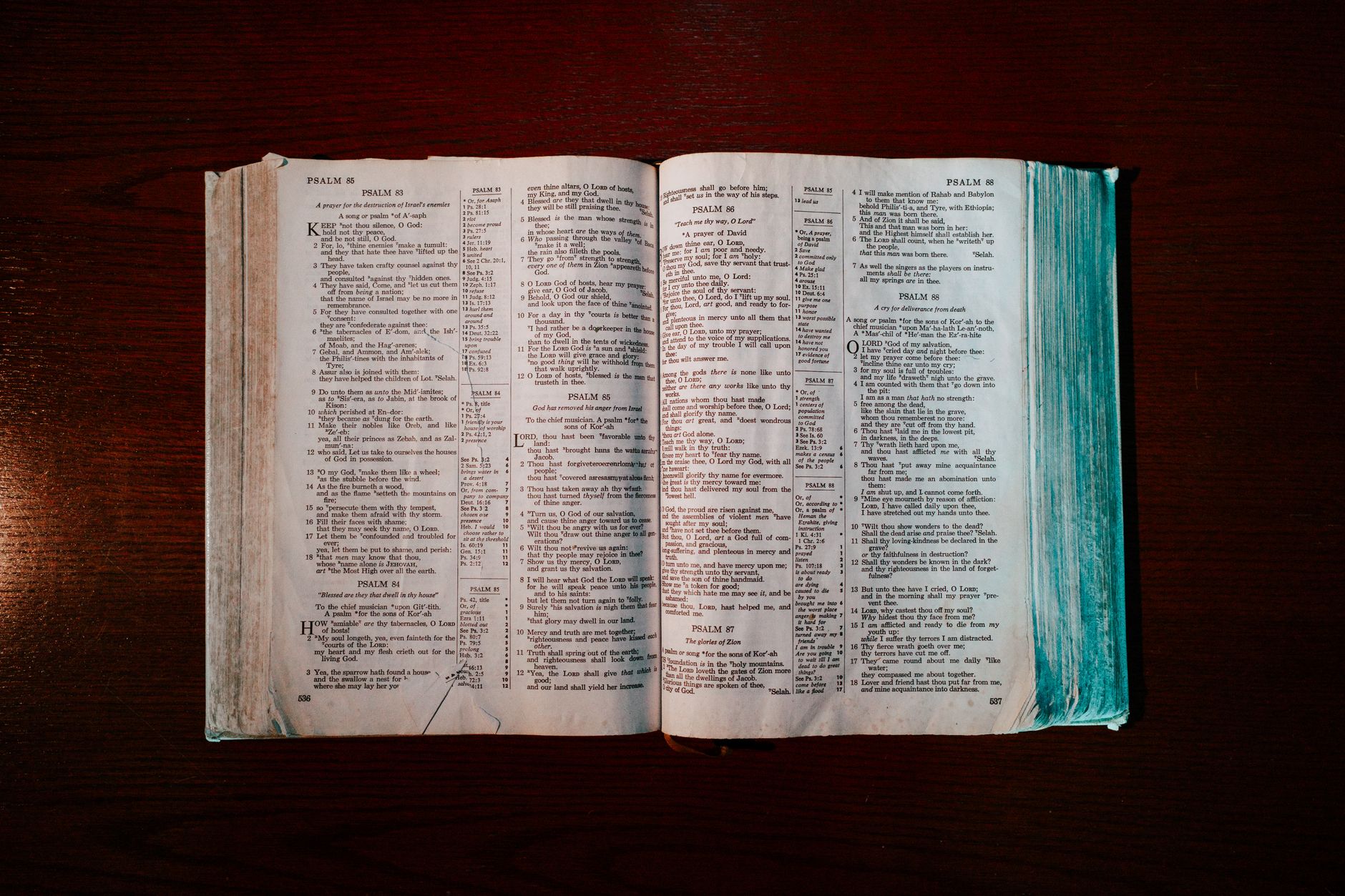
The Bible, revered as sacred scripture in Christianity and influential in Judaism, contains a wealth of teachings, stories, and spiritual insights. For those who embark on the journey of reading the entirety of the Bible, understanding the timeline can enhance both the experience and spiritual growth involved in this undertaking.
This article will explore how long it typically takes to read the Bible, various reading plans, and some reflections on understanding its profound content. Whether you are considering reading it for the first time or seeking to deepen your appreciation of the text, this examination will guide you.
How Long Does It Take to Read the Bible?
Reading the entire Bible can take anywhere from about 70 to over 100 hours, depending on one’s reading speed and comprehension. Generally, the Bible contains approximately 31,102 verses, spread across 66 books in the Protestant tradition and 73 in the Catholic tradition. This variation can slightly affect the total time.
The Structure of the Bible
The Bible is divided into two primary sections: the Old Testament and the New Testament. Each section holds different significance depending on the religious framework surrounding it. Understanding these will help in gauging how one approaches reading the entire text.
Old Testament
The Old Testament, which makes up a significant portion of the Bible, consists of historical accounts, laws, poetry, and prophecy. It contains books such as Genesis, Exodus, Psalms, and Isaiah. This section may take longer for some readers due to its depth and complexity.
New Testament
The New Testament focuses on the life and teachings of Jesus Christ, along with the early church’s formation. It includes the Gospels, Acts, Epistles, and Revelation. Many readers find this section more relatable and may read it more quickly.
Ways to Approach Reading the Bible
Choosing how to read the Bible can significantly influence both the time commitment and the depth of understanding acquired. Here are a few common approaches:
- Cover-to-Cover Reading: This method involves reading the Bible straight through from beginning to end. Readers who opt for this approach can expect several weeks to months, depending on daily reading habits.
- Chronological Reading: Some choose to read the Bible in the order of events as they happened historically. This method can help readers understand context better but may require additional time for situating different texts.
- Topical Reading: Readers can focus on specific themes or topics throughout the Bible. This may lead to non-linear reading and varying durations based on personal interest in specific subjects.
- Daily Devotional Plans: Many people participate in Bible reading plans that span a year or another fixed duration. These often break the text into manageable daily segments.
Sample Reading Plans
To provide a clearer picture, here are a couple of different reading plans with their estimated timelines:
One-Year Reading Plan
A common approach for many is the one-year Bible reading plan, which typically divides the text into 365 portions. This generally requires about 15 minutes of reading each day. The time spent daily can bring readers to the end of the Bible within the year, supporting a steady spiritual practice.
Chronological Plan
Reading through the Bible chronologically often takes around 90 days for an intense reading experience, with about an hour dedicated each day. This plan can be beneficial for those seeking clarity on the timeline of biblical events.
The Importance of Understanding Context
While knowing how long it takes to read the Bible is valuable, understanding the context of the text is crucial for a meaningful experience. Historical context, cultural nuances, and the intended audience of various passages all contribute to their meaning.
Historical Context
Many stories within the Bible emerged from specific historical circumstances. Understanding the time period, social norms, and challenges faced by the people in these accounts can enrich comprehension and appreciation of the scriptures.
Cultural Nuances
The Bible contains cultural references that may not be immediately clear to contemporary readers. Familiarizing oneself with the historical and cultural environment can illuminate underlying messages and deepen spiritual insights.
Engaging with the Text: Tips for Reading
To enhance your reading practice and foster a deeper spiritual exploration, consider these suggestions:
- Set a Routine: Establish a consistent time for reading, making it a regular part of your daily or weekly schedule.
- Create a Comfortable Setting: Choose a quiet space where you can focus on your reading without distractions.
- Take Notes: Jot down thoughts, reflections, and questions that arise as you read. This practice promotes active engagement with the text.
- Use Study Tools: Consider using commentaries, dictionaries, or study guides to assist in understanding complex passages and exploring themes in greater depth.
Reflection on Spiritual Insights
Reading the Bible is not just an intellectual exercise; it serves as a pathway to spiritual growth. Many find profound insights and transformative experiences throughout their reading journey. Here are some common spiritual reflections that readers might encounter:
The Search for Meaning
Many passages encourage readers to seek a deeper understanding of their purpose and existence. Engaging with these themes can prompt personal reflection on one’s beliefs and life choices.
Connections to Community
The Bible emphasizes the importance of community and relationships through narratives and teachings. Readers are often inspired to cultivate meaningful connections with others, following the examples found in scripture.
The Role of Faith
Faith emerges as a central theme throughout the Bible, depicting various aspects of belief, trust, and reliance on the divine. Reflecting on these themes can deepen one’s spiritual journey and understanding of personal faith.
Questions for Reflection
As you contemplate your Bible reading experience, consider the following questions:
- What themes resonate with you personally, and how do they relate to your life circumstances?
- In what ways can you integrate lessons from the Bible into your daily activities and interactions?
- How does the reading experience impact your understanding of community and relationships?
Final Thoughts: The Journey of Reading the Bible
The journey of reading the Bible is a profoundly personal and enriching experience that contributes to one’s spiritual growth. While understanding the timeline for reading can help structure your approach, remember that the focus should be on engagement with the text and the insights it provides.
Taking time to ponder the questions presented and reflect upon how the verses relate to your life can bolster both understanding and faith. Embrace the journey, allowing it to transform you in unique ways.
As you embark on this scriptural exploration, be open to the teachings and messages that emerge, shaping your spiritual journey with wisdom and insight. For example, consider implementing prayerful reflection as you read to invite deeper understanding and connection with the text.
For those interested in how scripture connects with daily life, explore articles that delve into Bible Verses About Food and Prayers for Food. These resources can further illuminate the intersection of faith and everyday life.