
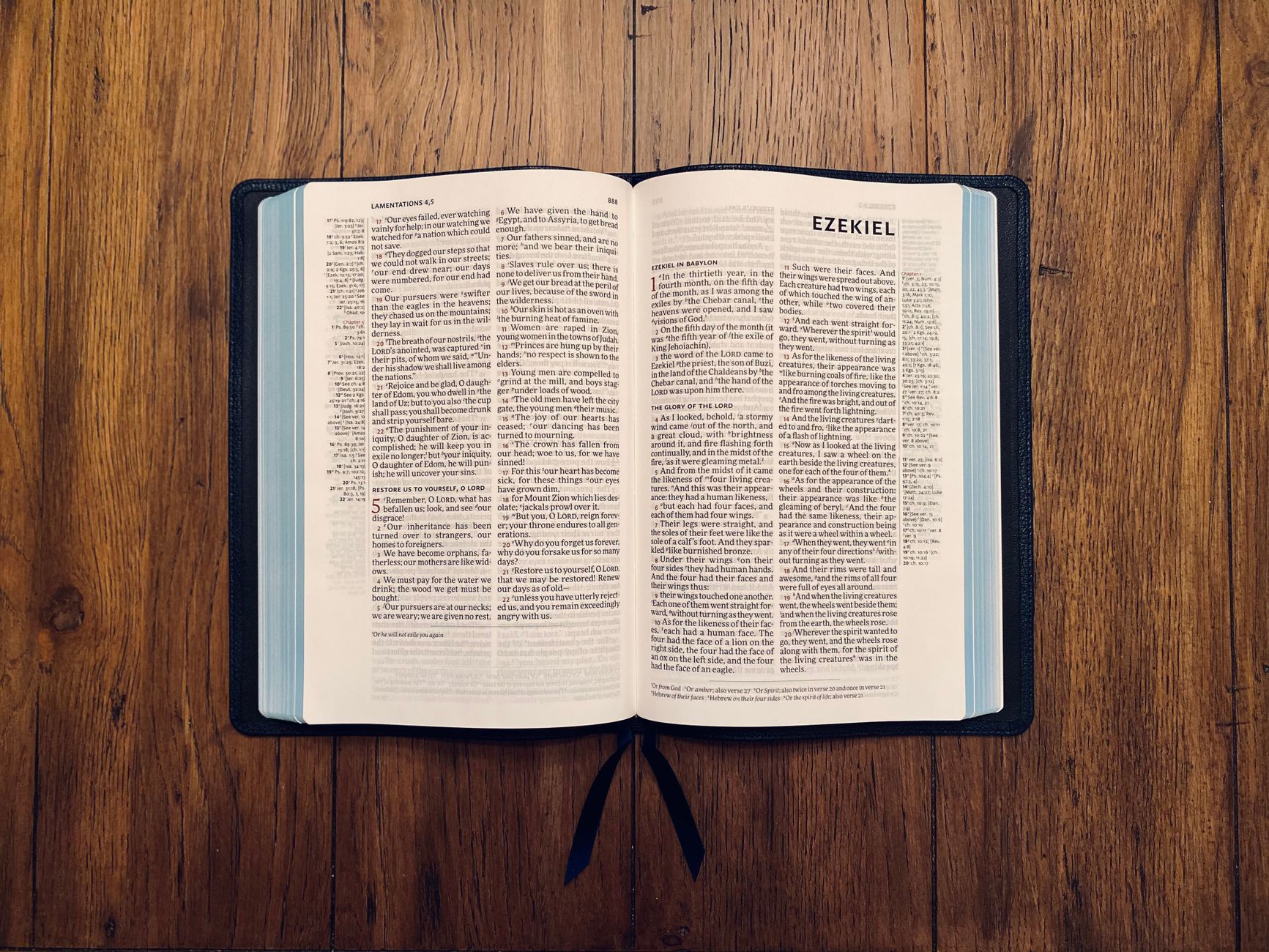
The topic of artificial intelligence (AI) has garnered attention in recent years, sparking discussions that traverse technological, ethical, and spiritual realms. As such, exploring what the Bible says about AI invites us into a dialogue about faith, humanity, and the implications of creating intelligent beings. Can scripture lend insights into how we engage with AI and understand its role in our lives?
This article delves into biblical references that may resonate with contemporary debates on AI, supplemented by a full breakdown of relevant passages. It seeks to illuminate how religious teachings can inform our discernment and ethical considerations as we navigate this complex terrain.
What Does the Bible Say About Ai?
The Bible does not mention AI explicitly, as it was written long before the concept emerged. However, themes related to knowledge, creation, and human responsibility are prevalent throughout scripture. These themes can be interpreted when considering AI and its implications for humanity.
Creation and the Nature of Humanity
In the beginning, the Bible presents God as the Creator of all things, emphasizing that humanity is made in God’s image. A foundational passage is found in Genesis 1:26-27 (NIV):
“Then God said, ‘Let us make mankind in our image, in our likeness, so that they may rule over the fish in the sea and the birds in the sky, over the livestock and all the wild animals, and over all the creatures that move along the ground.’ So God created mankind in his own image, in the image of God he created them; male and female he created them.”
This passage raises philosophical questions about the creation of AI, as humans, created in the divine image, are now engaged in creating intelligent machines. The implications of this act are profound. Are we creating beings that complement or challenge our human nature, mirroring divine characteristics, or diminishing what it means to be human?
The Challenge of Knowledge
Another significant theme is the pursuit of knowledge. In Genesis 2:16-17 (NIV), God commands Adam:
“And the Lord God commanded the man, ‘You are free to eat from any tree in the garden; but you must not eat from the tree of the knowledge of good and evil, for when you eat from it you will certainly die.’”
This account highlights the tension between seeking knowledge and adhering to divine commands. The quest for knowledge, particularly in the context of AI, poses ethical dilemmas. Developing advanced algorithms or creating autonomous systems can lead to scenarios that test our understanding of good and evil.
Wisdom and Human Responsibility
The Book of Proverbs emphasizes the importance of wisdom in navigating life’s complexities. Proverbs 1:7 (NIV) states:
“The fear of the Lord is the beginning of knowledge, but fools despise wisdom and instruction.”
This verse reinforces the necessity of approaching the development and application of AI with reverence and wisdom. The ethical principles that guide our creation and utilization of this technology could benefit from a deep-rooted understanding of our responsibilities as stewards of creation.
The Call to Ethical Action
As we innovate and create, the Bible also calls on us to act justly and care for others. Micah 6:8 (NIV) powerfully outlines God’s expectations:
“He has shown you, O mortal, what is good. And what does the Lord require of you? To act justly and to love mercy and to walk humbly with your God.”
This call to justice, mercy, and humility challenges us to consider how AI impacts humanity. We must ask how technology can uplift individuals and communities while ensuring equity and fairness in its implementation.
Potential Risks of AI
The Bible warns against the hubris of humanity. In Proverbs 16:18 (NIV), we read:
“Pride goes before destruction, a haughty spirit before a fall.”
This caution serves as a reminder that unchecked ambition in AI development can lead to unintended consequences. Issues such as surveillance, job displacement, and the potential for biased algorithms reflect the necessity of humility and accountability in technological advancements.
AI as a Tool for Good
On the positive side, AI can serve as a tool for social good. As we engage with technology, the Bible encourages us to employ our gifts for the benefit of others. 1 Peter 4:10 (NIV) states:
“Each of you should use whatever gift you have received to serve others, as faithful stewards of God’s grace in its various forms.”
In the context of AI, this could mean using intelligent systems to address societal challenges like healthcare, poverty, and environmental concerns, mirroring the servitude encouraged in scripture.
Lessons from Biblical Narratives
Several biblical narratives reflect humanity’s struggles with knowledge, power, and responsibility that can be paralleled in our current discussions about AI. The construction of the Tower of Babel (Genesis 11:1-9) illustrates the dangers of human ambition and the potential to overreach. When humanity sought to build a tower reaching the heavens, God intervened, causing confusion and scattering their efforts. This story can evoke reflections on whether our pursuit of advanced technologies like AI can lead to hubris and division rather than unity.
Redemptive Possibilities
Conversely, narratives of redemption also inspire hope and responsible stewardship. The story of David and the gathering of resources to build a temple illustrates the importance of directing efforts towards honoring God’s glory (1 Chronicles 29:1-9). Similarly, we are called to direct AI’s potential toward fostering justice, compassion, and love within society.
Guidelines for Ethical AI Development
The Bible provides foundational principles that can inform ethical AI development. Here are several key guidelines drawn from scripture:
- Embrace Wisdom: Seek collective wisdom and diverse perspectives when developing AI technologies.
- Prioritize Humanity: Always center human dignity and the common good in AI applications.
- Acknowledge Limits: Recognize the limitations of human knowledge and approach AI with humility.
- Cultivate Accountability: Engage in transparent practices and hold decision-makers accountable for the implications of AI technologies.
- Foster Community: Leverage AI to build connection and serve marginalized communities.
Reflection and Prayer
As individuals and communities grapple with the rise of AI and its implications, prayer can serve as a grounding practice. Here’s a simple reflective exercise:
- Set aside time in quiet contemplation. Reflect on the responsibilities linked to knowledge and creation.
- Ask for wisdom to navigate ethical concerns surrounding AI. Seek divine guidance in using technology to reflect love and justice.
- Consider how you might engage with AI in ways that uplift others and promote ethical practices.
- Journal your reflections, commitments, or insights gained during this time of prayer and reflection.
Conclusion
While the Bible does not address artificial intelligence directly, its teachings on creation, wisdom, justice, and humility profoundly resonate with the challenges and opportunities presented by AI. As we stand at the intersection of faith and technology, we are invited to engage thoughtfully, ethically, and compassionately with the future of intelligent systems.
This exploration offers a framework for approaching AI that respects our humanity while acknowledging our collective responsibility. Reflect on your own engagement with technology and consider how it aligns with your values and ethical understanding rooted in your faith.
For those seeking deeper insight into these themes or related topics, consider exploring articles focused on spiritual ethics, the intersection of faith and technology, or reflections on human dignity and stewardship in a rapidly changing world.