
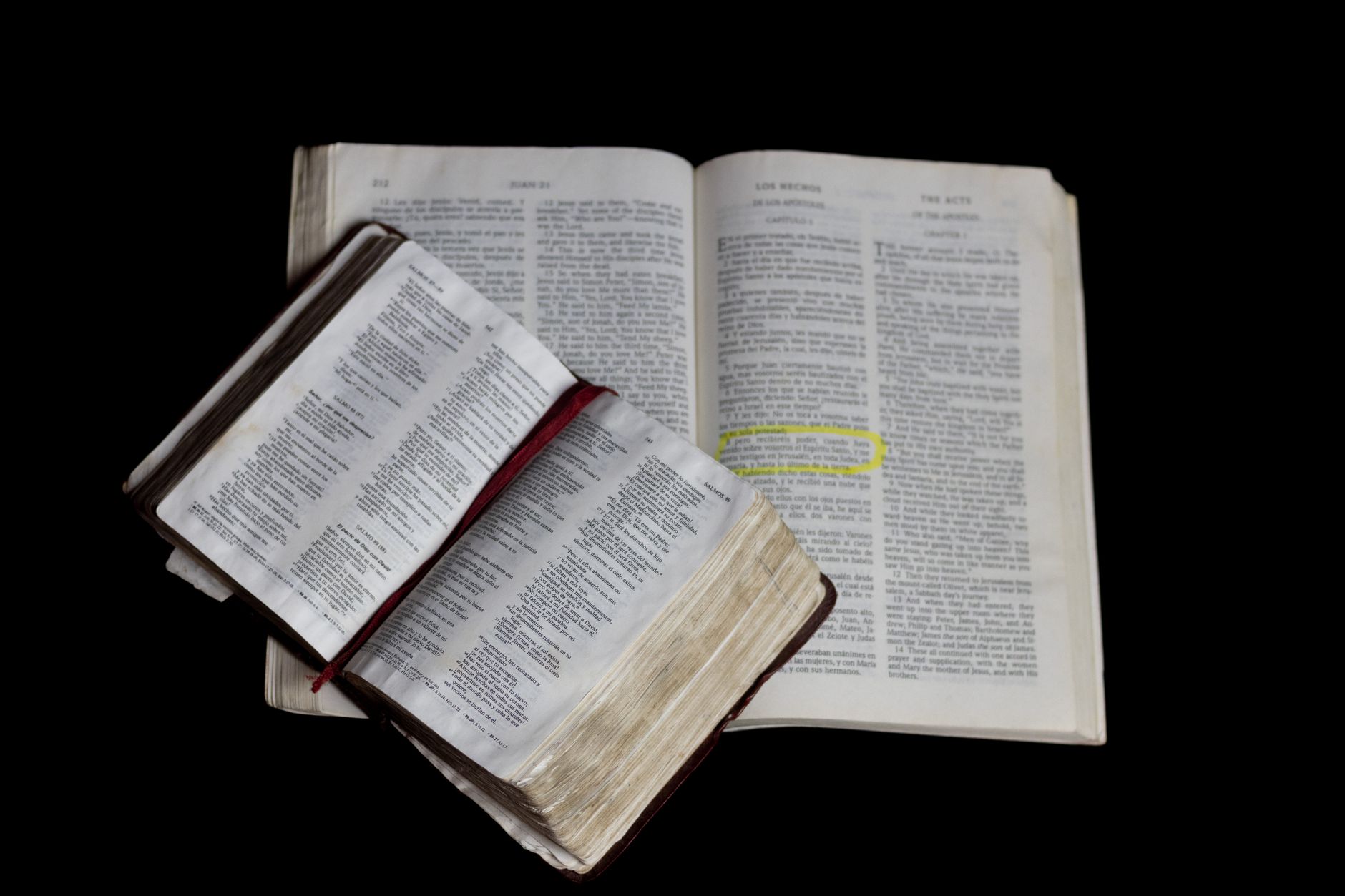
The quest to read the entire Bible can be both a spiritual journey and an enlightening endeavor. For many individuals, their religious beliefs lead them to explore the depths of scripture. However, a common question arises: how long would it take to read the whole Bible? This article will provide a comprehensive understanding of this question, guiding readers through the factors involved in determining reading time, offering suggestions for approaches, and encouraging spiritual growth through engagement with sacred texts.
Reading Scripture can shape one’s faith, inspire prayer, promote meditation, and foster spiritual growth. By examining the timelines and strategies for reading the Bible, individuals can deepen their understanding of their own beliefs and the principles that guide their spirituality.
How Long Would It Take to Read the Whole Bible?
The timeframe to read the entire Bible varies based on several factors, including the reader’s pace, familiarity with the text, and the approach taken. For a standard estimate, if an individual reads the Bible consecutively, the average time is approximately 70 to 80 hours. This estimate assumes a steady pace of reading about 15 to 20 minutes each day. Depending on commitment, it may take several months to complete the text.
Key Factors Influencing Reading Time
- Reading Pace: If a reader reads quickly, they may complete the Bible faster. Conversely, a slower reader may take longer to absorb each passage.
- Familiarity with the Text: Those who have previously engaged with the Bible may read more efficiently, while beginners might need additional time for comprehension.
- Translation Variations: Different Bible translations may vary in complexity and readability, which can impact the time required to read through the entire text.
- Reading Goals: Some may desire deep reflection or prayerful engagement, resulting in extended reading times, while others may read more for information.
Different Reading Plans and Strategies
To help manage the commitment of reading the entire Bible, various reading plans and strategies can be employed. Here are some popular approaches to navigating the text:
1. Daily Reading Schedules
- One-Year Plan: Many choose to read the Bible in a year, which typically involves a daily reading of three to four chapters. This schedule allows for manageable portions and encourages consistent reading.
- 90-Day Plan: For a more intensive approach, a 90-day reading plan requires reading about 12 chapters daily. While challenging, this can lead to significant insights and spiritual growth.
2. Thematic Readings
Instead of reading the Bible cover-to-cover, some may choose a thematic reading plan, focusing on specific topics or sections. Themes may include:
- Faith and Trust
- Prayer and Spirituality
- Love and Compassion
- Wisdom and Proverbs
This approach allows readers to engage with the text meaningfully at their own pace and can enhance their understanding of particular aspects of their faith.
3. Group Studies and Discussions
Participating in a Bible study group can foster accountability and deeper insights. Engaging with others allows for diverse interpretations and encourages discussion about significant passages. This communal approach can enrich the reading experience and provide different perspectives.
The Benefits of Reading the Bible
The spiritual benefits of reading the Bible are vast. Here are a few reasons why individuals seek to engage with this sacred text:
1. Spiritual Growth
Reading the Bible encourages spiritual maturity. It allows individuals to explore the teachings of their faith, reflect on their beliefs, and develop a personal relationship with the divine.
2. Insight and Understanding
Many individuals find strength and wisdom through scripture. The Bible contains timeless principles that continue to resonate today. Engaging with these teachings can provide clarity during life’s challenges.
3. Encouragement and Comfort
For those facing struggles or uncertainties, passages in the Bible can offer comfort and reassurance. Verses that speak of God’s love, mercy, and support can bring peace to troubled hearts.
4. Connectedness to Community and History
The Bible connects believers to a larger narrative of faith and tradition. Understanding scripture helps individuals see their place within a wider community and history, reinforcing the sense of belonging.
Reflecting on Your Reading Journey
As you embark on or continue your reading of the Bible, consider reflective practices that can enhance your experience:
- Journaling: Maintain a journal to document your thoughts, prayers, and reflections on passages that resonate with you.
- Prayer: Pray before and after your reading sessions, asking for understanding and guidance as you engage with the text.
- Memorization: Select key verses to memorize. This can facilitate deeper engagement during prayer and meditation.
- Discussion: Share your insights with others. Engaging in conversations can open new avenues of understanding and connection.
Different Christian Traditions and Bible Engagement
How individuals read the Bible can vary greatly based on their specific Christian tradition. Here are a few examples of how various denominations incorporate scripture in their practice:
Catholic Tradition
The Catholic Church emphasizes the reading of scripture within the context of liturgy. The Lectionary provides structured readings for Mass, guiding believers to reflect on specific passages over time. Additionally, the practice of Lectio Divina encourages contemplative reading as a means of connecting with God.
Protestant Tradition
Many Protestant denominations advocate for personal Bible study and scripture memorization. Various reading plans and resources are available to facilitate this engagement, allowing individuals to connect with God individually and within small groups or congregations.
Orthodox Tradition
The Orthodox Church places great importance on scripture as part of the liturgical life of the community. Reading scripture is intertwined with worship and theological reflection, encouraging a holistic approach to faith.
Conclusion
Determining how long it would take to read the whole Bible is influenced by many factors, including reading pace, familiarity with the text, and personal goals. While estimates suggest that reading the Bible could take anywhere from 70 to 80 hours, the richness of the scripture invites readers to engage with it throughout their lives. Whether approached through systematic reading plans, thematic studies, or communal engagement, the opportunity for spiritual growth and deeper understanding of faith awaits those willing to embark on this journey.
Consider taking the next step in your exploration of scripture. Reflect on how you can incorporate a reading plan into your daily routine, whether through daily readings, group discussions, or personal study. Visiting resources such as Bible Verses about Food and Prayers for Food can enrich your engagement with scripture as you deepen your understanding of faith and spirituality.