
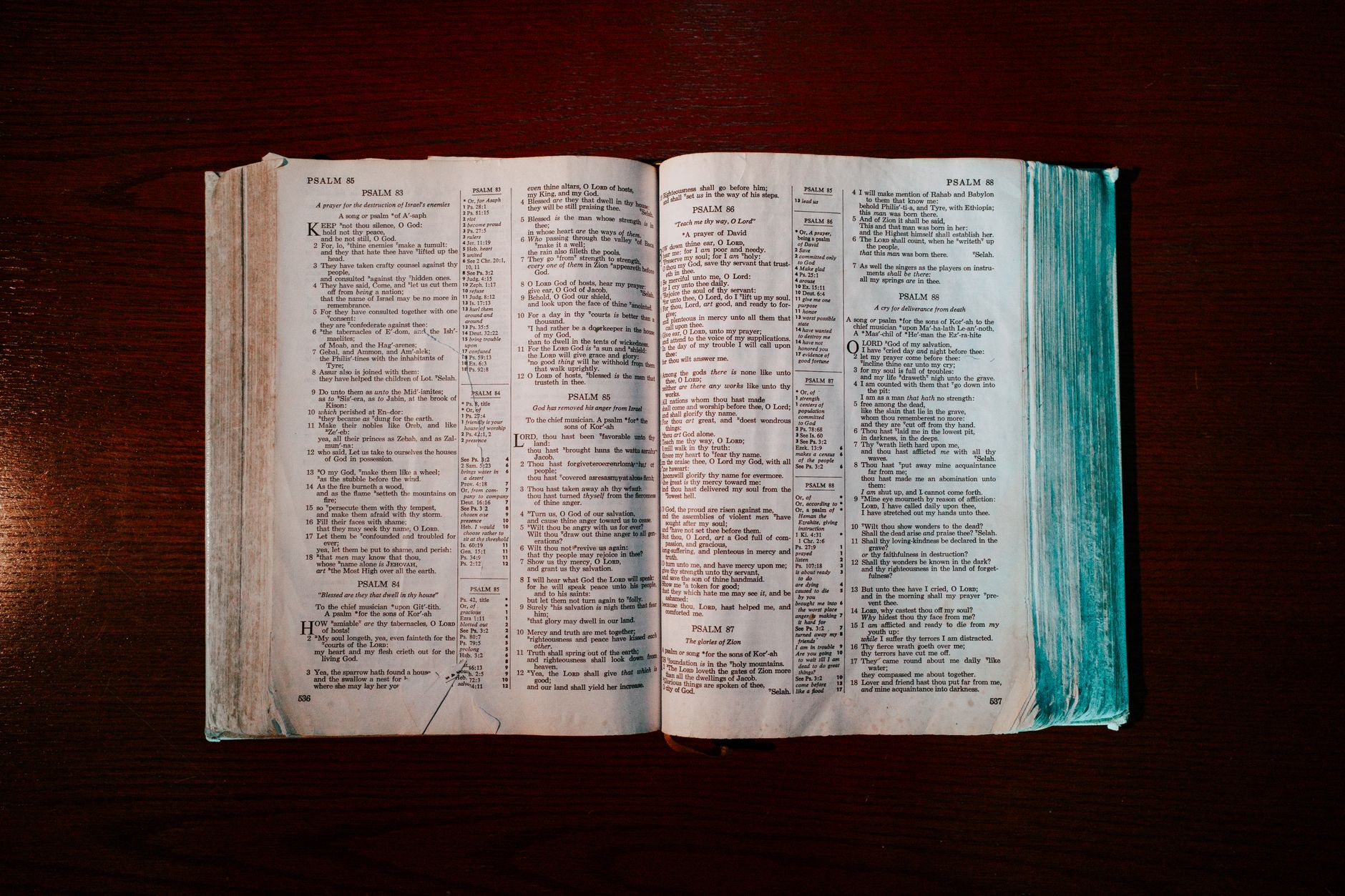
The topic of cursing is woven throughout the Bible and speaks to various moral, ethical, and social considerations within the faith. Understanding what Scripture says about cursing can provide insights into the values of speech, integrity, and the culture of communication expected of believers. This exploration will delve into key passages, addressing the implications of cursing, both in the Old and New Testaments.
Throughout biblical texts, cursing is often framed within a larger context of righteousness and the sanctity of speech. As we navigate through different verses, it is crucial to examine how these teachings inform ethical behavior and spiritual growth.
What Does the Bible Say About Cursing?
In Scripture, cursing is typically associated with the use of harmful or abusive language, which is often discouraged. The Bible reflects a holistic understanding of how words can affect both the speaker and the receiver. The most significant aspects of what the Bible says about cursing are centered on the nature of speech, the power of words, and the ethical guidelines put forth for believers.
Old Testament Insights
Starting with the Old Testament, we see various instances where the use of curses is addressed. The Ten Commandments, for example, instruct on honoring one’s parents and avoiding the misuse of God’s name:
- Exodus 20:7 – “You shall not take the name of the Lord your God in vain, for the Lord will not hold him guiltless who takes His name in vain.”
This commandment underscores the importance of using God’s name with reverence, implying that to curse or misuse it would lead to serious moral repercussions.
In addition to commands, the Old Testament portrays several instances of curses given by figures such as prophets as a means of divine judgment. An example of this occurs in:
- Deuteronomy 27:15 – “Cursed be the man who makes a carved or molded image, an abomination to the Lord, the work of the hands of the craftsman, and sets it up in secret.” This passage highlights the gravity of malediction when it defies God’s commandments.
Here, cursing is not mere profanity but an expression of divine disfavor that reflects on the speaker’s relationship with God and their commitment to His commands.
New Testament Perspectives
The New Testament further develops the understanding of cursing, particularly towards the context of Christian life and interaction. A key passage comes from:
- James 3:9-10 – “With it, we bless our God and Father, and with it we curse men, who have been made in the likeness of God. Out of the same mouth proceed blessing and cursing. My brethren, these things ought not to be so.”
James illustrates the inconsistency that can arise in a believer’s speech. He points to the contradiction of blessing God while cursing others, reminding the faithful of their duty to uphold love and respect in communication. This captures the essence of moral integrity and the power of words. The focus here is on the importance of speaking kindly and upliftingly, as both cursing and blessing cannot coexist authentically.
The Importance of Tame Language
In light of these teachings, one can see a recurring theme; the Bible encourages the use of language to build up rather than tear down. Cursing not only affects relationships but can also lead to larger societal issues, including divisions and strife. Thus, believers are called to explore the implications of their words and to cultivate a spirit of care in communication.
Language as a Reflection of the Heart
A significant theological perspective in the Bible is that language reflects the inner state of a person. Jesus mentions this in:
- Matthew 12:34 – “For out of the abundance of the heart, the mouth speaks.”
Here, the assertion is made that one’s speech is indicative of their moral and spiritual condition. This understanding leads to the conclusion that cursing, in any form, likely signals deeper issues within oneself that need addressing.
Modern Application and Relevance
In contemporary faith communities, the dialogue on cursing remains relevant as believers navigate personal and public expressions of their faith. The teachings of Scripture command believers to restrain from using language that is harmful, defamatory, or disrespectful. However, the modern interpretation may vary across denominations and cultural contexts.
- Reflection on Intent: Consider the intentions behind your words. Are they reflective of love, compassion, and respect?
- Personal Accountability: Evaluate moments when cursing slips into casual language. Reflect and seek to replace those words with uplifting alternatives.
Creating a Language of Life
As believers embody a commitment to their faith, cultivating a language of kindness plays a crucial role. This approach to speech can lead to revelations about one’s character and promote healthy relationships within communities. Practicing care in how one interacts with others through spoken words is fundamental to fostering a community that reflects God’s grace.
Prayer and Reflection
Those seeking to address the use of cursing in their lives may benefit from prayer and reflection. Engaging in a personal dialogue with God can be powerful in transforming one’s speech habits:
- Pray for Awareness: Ask for the ability to recognize when harmful words arise.
- Seek Forgiveness: If you have spoken hurtfully, bring those experiences to God. Seek healing and restoration.
- Commit to Change: Make a conscious choice to use language that aligns with your faith and values.
Cultivating a Supportive Community
Encouraging accountability within your community can also prove invaluable. Engage with those around you who share similar values and can support your commitment to positive language. Creating spaces for open conversation about the impact of words encourages growth and reinforces the importance of speech, both in lives and communities.
- Join study groups that focus on the themes of ethics and spiritual growth.
- Participate in discussions centered on the application of Scripture in everyday situations.
Final Thoughts
Understanding what the Bible says about cursing helps illuminate how language reflects one’s spiritual commitment. Cursing can be a powerful subject, revealing deeper issues of heart and community. As believers aim to reflect God’s character, they are reminded to focus on blessings rather than curses, fostering an environment conducive to spiritual and ethical growth.
Engaging in the act of reflection and accountability promotes more profound spiritual formations both personally and communally. Embrace the teachings of Scripture and let them guide the nature of your words, bringing light into the darkness of casual cursing.
To explore further about prayers and reflections surrounding personal growth, consider visiting some dedicated resources on prayers for safe delivery or explore prayers for pregnancy. These practices can enrich your spiritual journey and provide a pathway for deeper reflection and commitment to choice language.