
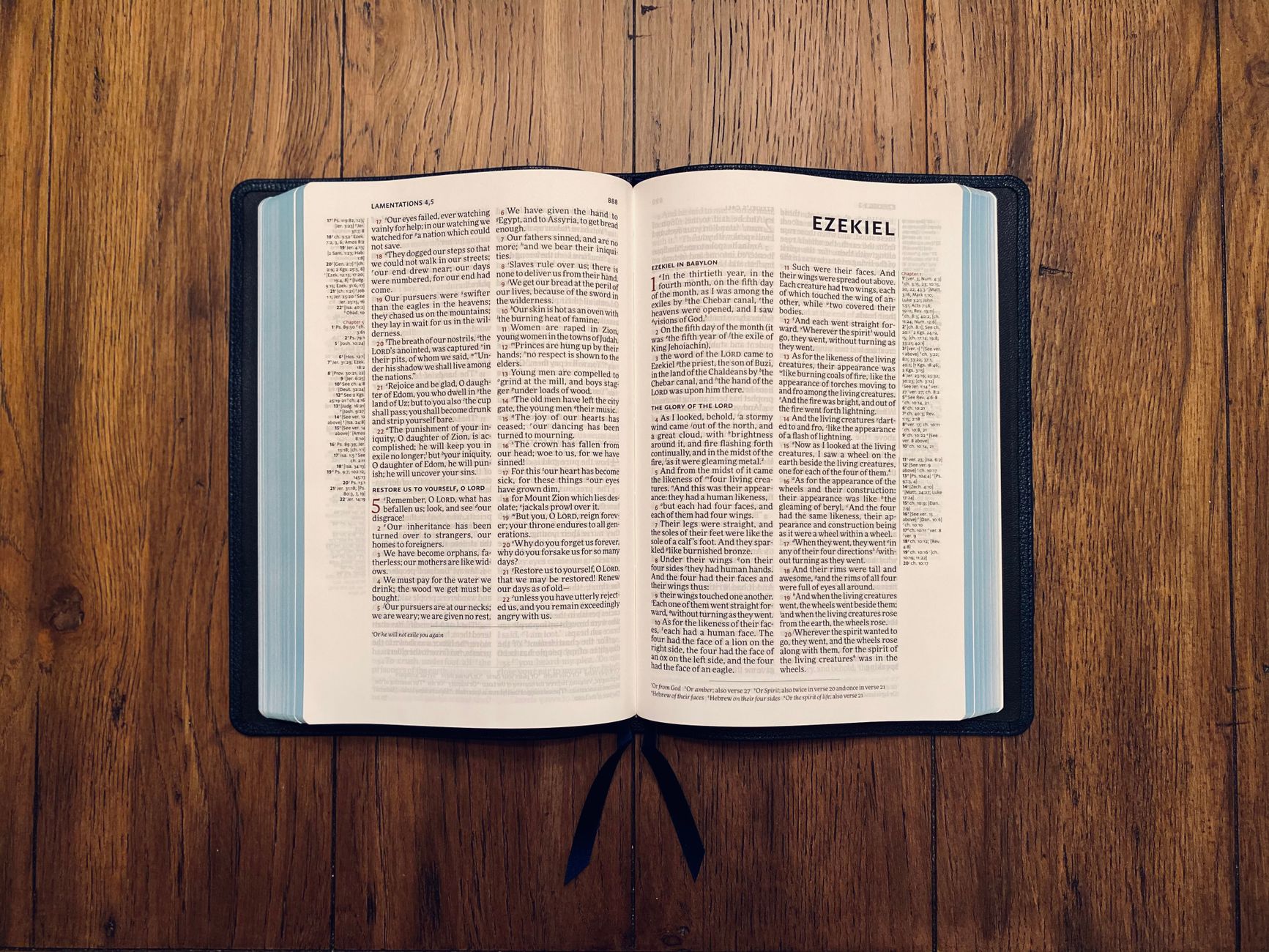
Divination in the Bible is a complex concept that encompasses various practices intended to seek knowledge or guidance from divine sources. To understand its meaning and context, one must explore biblical definitions, differing interpretations, and applications across various cultures and time periods.
This article will provide a nuanced examination of what divination means within the biblical framework, the practices associated with it, and its implications for spiritual life. By understanding this term and its relevance, readers can better appreciate its significance in shaping faith and spiritual practices.
What Does Divination Mean in the Bible?
Divination in the Bible refers to practices intended to foretell future events or gain insight through supernatural means. It often involves various methods such as astrology, necromancy, and omens. In biblical texts, divination is frequently portrayed with caution, as it can lead individuals away from reliance on God.
The Context of Divination in Biblical Scripture
Throughout the Bible, divination appears both in narratives and laws, reflecting its presence in ancient cultures. Although the scriptures highlight the dangers and prohibitions related to divination, they also depict its early practices, leading to a multifaceted understanding of its role in spiritual life.
Divination Practices in the Ancient Near East
Divination was common in neighboring cultures during biblical times, influencing the Israelites’ understanding. The ancient Near East included various forms of divination, including:
- **Astrology**: Examining celestial bodies for omens.
- **Augury**: Interpreting the behavior of birds.
- **Lotcasting**: Using lots to discern the will of the gods.
These practices were seen in many cultures, including the Mesopotamians, Canaanites, and Egyptians. Such influences are evident in the scripture, reflecting the tension between cultural practices and divinely ordained teachings.
Biblical Prohibitions Against Divination
The Bible presents several strong denouncements of divination practices. Key passages include:
- **Deuteronomy 18:10-12**: This passage outlines that the Israelites should not engage in practices such as divination, witchcraft, or interpreting omens, labeling these practices as abominable to God.
- **Isaiah 47:13-14**: This text criticizes those who rely on astrologers and stargazers, predicting that such practices would ultimately lead them to disaster.
- **Galatians 5:20**: Here, the Apostle Paul includes divination in a list of works of the flesh, an indication of moral and spiritual decay.
These prohibitions reinforce the idea that reliance on supernatural means outside of faith in God can lead individuals astray, emphasizing a commitment to divine guidance as revealed in scripture.
Divination and Its Interpretative Traditions
Interpretations of divination vary across biblical scholarship and theology. Some key considerations include:
- Cultural Context: Understanding divination within the cultural practices of the ancient Near East is essential to grasping its significance in the scriptures.
- Historical Context: Recognizing the historical circumstances surrounding the composition of biblical texts can illuminate why certain practices were accepted or condemned.
- Theological Reflection: Exploring the theological implications of divination can help individuals navigate their spiritual practices responsibly.
The Role of Prophets and Dreams
In contrast to the negative view of divination, the Bible also presents positive forms of receiving divine knowledge through prophets and dreams. While divination seeks knowledge through human-controlled means, biblical prophecy unfolds through divine initiative.
Prophetic Revelation
Prophets in the Bible upheld a special role in disclosing God’s will to the people. They conveyed messages from God, often warning against sin and calling for repentance. Key examples include:
- **Moses**: As a prophet, Moses received specific instructions from God for the Israelites, guiding their way in the wilderness.
- **Elijah and Elisha**: These prophets performed miracles and revealed God’s power during times of peril, providing divine insight during national crises.
- **Isaiah and Jeremiah**: They articulated God’s messages about impending judgment and hope, demonstrating that divine communication could replace unreliable human practices.
Dreams as Divine Communication
Dreams also played a significant role in conveying God’s messages. Biblical figures who received divine guidance through dreams include:
- **Joseph**: Both Joseph the Patriarch and Joseph the husband of Mary received crucial guidance through dreams, leading to significant life decisions.
- **Daniel**: Daniel interpreted dreams for kings, demonstrating that such divine messages could facilitate understanding of God’s purposes.
These examples emphasize a distinction between seeking knowledge through unauthorized means and receiving divine insights as orchestrated by God.
Modern Interpretations of Divination
Modern spiritual practices often revisit how individuals understand divination and its role. Although traditional interpretations often lean toward caution, contemporary views can differ widely:
Spiritual but Not Religious Perspectives
As an increasing number of people identify as “spiritual but not religious,” some might explore divination through practices gleaned from various spiritual traditions. Practices such as tarot reading or astrology can be seen not as proclamations of absolute truth, but as introspective tools for meaning-making.
Christian Perspectives on Divination
Within Christian communities, views on divination vary. Some adhere strictly to biblical prohibitions, viewing any form of divination as harmful or misleading. Others embrace a more metaphorical understanding, seeing divination as an exploration of personal intuition alongside spiritual discernment.
Ethics and Discernment in Spiritual Practices
For those seeking guidance and clarity in their spiritual lives, it becomes crucial to engage with discernment regarding any practice that may parallel divination. Here are several considerations:
- Seek Divine Guidance: Pray for clarity and guidance in spiritual matters, as illustrated by biblical figures who sought God’s insights.
- Consult Scripture: Use the Bible as a reference point for understanding the nature of divine communication and the implications of various spiritual practices.
- Engage Community Wisdom: Communicate with trusted spiritual leaders or community members when considering practices that may intersect with divination.
Reflection on the Importance of Faith
Understanding divination within the biblical context invites deeper reflection on spiritual beliefs and practices. Emphasizing faith as a primary means of receiving divine guidance can lead to a greater connection with the divine. This foundation encourages individuals to reflect on their beliefs and practices critically, ensuring an approach aligned with their faith.
Practical Spiritual Exercise
- **Scriptural Meditation**: Choose a passage related to divine guidance, like James 1:5, and meditate on its meaning.
- **Journaling**: Reflect on your spiritual journey in a journal. Note areas where you seek guidance and how you can align with faith-based practices.
- **Prayer**: Spend time in prayer asking for wisdom and clarity in your decisions.
Engaging in these practices can foster spiritual growth and deepen one’s relationship with God, reinforcing the principle that divine guidance comes from a place of faith rather than human effort.
Reflecting on the nature of divination and how it contrasts with reliance on God offers valuable insights into maintaining a faith-centered life. When exploring practices that may resemble divination, it is paramount to prioritize one’s connection with the divine and seek guidance through reliance on God’s Word.
Exploring the significance of divination in religious contexts helps illuminate the various layers of spiritual belief. Consider these reflections as a stepping stone towards a deeper understanding of the interconnectedness of faith, divination, and the spiritual journey.
We invite readers to explore related articles on our blog, including verses about food in the Bible and prayers for food for further insights into faith and spirituality.