
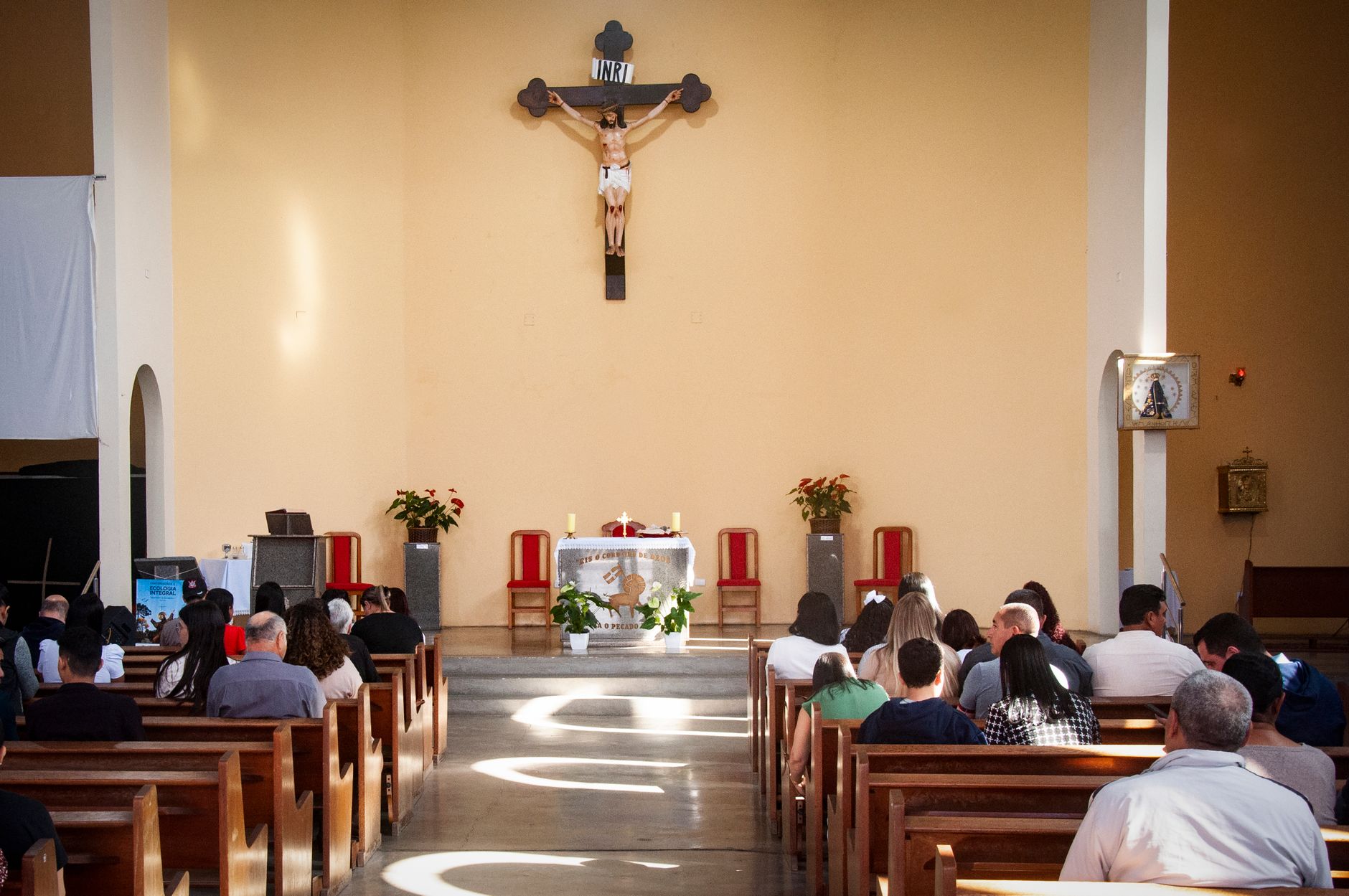
As the Christian liturgical calendar unfolds, Palm Sunday stands as a significant milestone, marking the beginning of Holy Week. This day recalls the triumphal entry of Jesus into Jerusalem, an event rich in symbolism and meaning within the Christian faith.
Observing Palm Sunday invites us to reflect on themes of humility, service, and the nature of true kingship. Through scripture, tradition, and communal celebration, this day serves as a profound reminder of Jesus’ mission and the profound implications of his kingship.
What Is Palm Sunday in the Bible?
Palm Sunday is the Sunday before Easter, celebrated by Christians all around the world. It commemorates Jesus’ triumphal entry into Jerusalem, as described in the Gospels. The event is characterized by palm branches being laid down by the crowd as Jesus rides into the city on a donkey, which signifies his peaceable arrival as the Messiah. This moment is found in the synoptic Gospels: Matthew, Mark, and Luke, and is often referenced in connection to the prophecy from Zechariah 9:9.
The Scriptural Foundations of Palm Sunday
The accounts of Palm Sunday can be found in the following passages:
- Matthew 21:1-11: This passage emphasizes Jesus’ fulfilling the Old Testament prophecy and the crowd’s enthusiastic reception.
- Mark 11:1-10: Mark’s account highlights the reactions of the crowds and the use of palm branches.
- Luke 19:28-40: In Luke, there is an emphasis on the joyful praise of the disciples and the prophetic acknowledgment of Jesus as king.
- John 12:12-19: John’s Gospel adds thematic depth to the story with the mention of the raising of Lazarus, which contributes to the crowd’s excitement.
The Significance of the Donkey
In biblical times, riding a donkey symbolized humility and peace, contrasting with the war horse typically associated with kings and conquerors. Jesus’ choice to ride a donkey instead of a horse is significant, as it demonstrates his mission of peace rather than conflict. This imagery is crucial in understanding how Jesus redefined royalty and power through humility.
Palm Branches as Symbols
Palm branches were a common symbol of victory and triumph in the ancient world. By laying down these branches, the crowd was recognizing Jesus as their anticipated Messiah, celebrating his arrival and acknowledging his kingship over their lives. The palms not only symbolize victory over enemies but also foreshadow the ultimate victory over sin and death that would be realized through the crucifixion and resurrection.
The Historical Context of Palm Sunday
Palm Sunday occurs in the context of Passover, a celebration that recalls the liberation of the Israelites from Egypt. The hearts and minds of the Jewish community were attuned to themes of liberation and hope. This context enhances the significance of Jesus’ entrance into Jerusalem, as he was seen as the one who might lead them to a new liberation from Roman oppression.
Liturgical Observances of Palm Sunday
Throughout history, churches have developed various practices to commemorate Palm Sunday. These observances connect congregants to the broader Christian story and to one another in communal worship. Common practices include:
- Processions: Many churches hold processions where congregants wave palm branches, recalling the crowds lining the streets of Jerusalem.
- Reading of Scripture: The accounts of Jesus’ entry into Jerusalem are read aloud, often incorporating elements of drama or performance to engage worshippers.
- Blessing of Palms: Palms are often blessed before being distributed to the congregation, signifying their importance as part of the worship experience.
- Decorative Elements: Many churches adorn their spaces with palm branches, greenery, and floral arrangements, creating a festive atmosphere that contrasts with the somber events of Holy Week that soon follow.
Theological Themes of Palm Sunday
Humility and Service
Palm Sunday invites reflection on humility and the nature of service. Jesus models servanthood through his actions, demonstrating that true leadership is found in loving and serving others. As Christians, followers are called to emulate this model, seeking to serve rather than be served in our communities.
Expectations of the Messiah
The crowds welcomed Jesus as a conquering king but struggled to comprehend the nature of his mission. Many expected a political liberator who would restore Israel’s power, while Jesus revealed a different kind of liberation—one from sin and death. This disparity in expectations leads to questions about faith, hope, and the nature of God’s promises.
Reflection and Spiritual Growth
Palm Sunday, at its core, urges believers to reflect on their own lives and the expectations they hold for God. Here are some reflective practices to engage with the themes of Palm Sunday:
- Personal Reflection: Spend time in prayerful reflection on areas of your life where you may be seeking power or control, rather than embracing humility.
- Community Engagement: Consider how you can serve your community, embodying the humility that Jesus demonstrated.
- Bible Study: Delve into the Gospel accounts of the Passion narrative to gain a deeper understanding of the trajectory from Palm Sunday to crucifixion.
- Worship Participation: Engage actively in the Palm Sunday service at your local church, whether through singing, praying, or participating in a procession.
Cultural Celebrations of Palm Sunday
Different cultures have their unique ways of celebrating Palm Sunday, often incorporating local customs and traditions into the observance. Here are a few examples:
- Philippines: In the Philippines, Palm Sunday is known as “Palm Sunday of the Lord’s Passion,” where churches distribute palm fronds that are later hung in homes for blessings.
- Spain: In Spain and parts of Latin America, people hold elaborate processions, carrying large palm branches adorned with flowers, showcasing artistry and community spirit.
- Eastern Orthodox Tradition: In Orthodox churches, this day is marked by the procession of palms, and it is tied to the Feast of the Triumphal Entry along with its own unique liturgical elements.
The Connection to Holy Week
Palm Sunday marks the beginning of Holy Week, a time of deep significance and reflection in the Christian tradition. Following Palm Sunday, the journey takes a somber turn as Christians reflect on the Last Supper, the crucifixion, and ultimately the resurrection of Jesus on Easter Sunday. This contrast emphasizes the depth of God’s love and the complexity of salvation.
Conclusion
Palm Sunday serves as a poignant reminder of Jesus’ mission and the invitation to follow his example. As congregants reflect on the humility, service, and true nature of kingship that Jesus exemplified, they are invited into deeper spiritual practices. This day sets the scene for the profound events of Holy Week, leading believers to reflect on both the sacrifice and hope found in the crucifixion and resurrection.
Consider taking time this week to ponder what it means to live in light of Christ’s kingship in your life, and how you can embody humility and service in your community. As you engage with this transformative time, remember that each believer is invited to participate in the unfolding story of love and redemption.
For more insights on reflection and spiritual practices, explore prayers for food or prayer for fasting.