
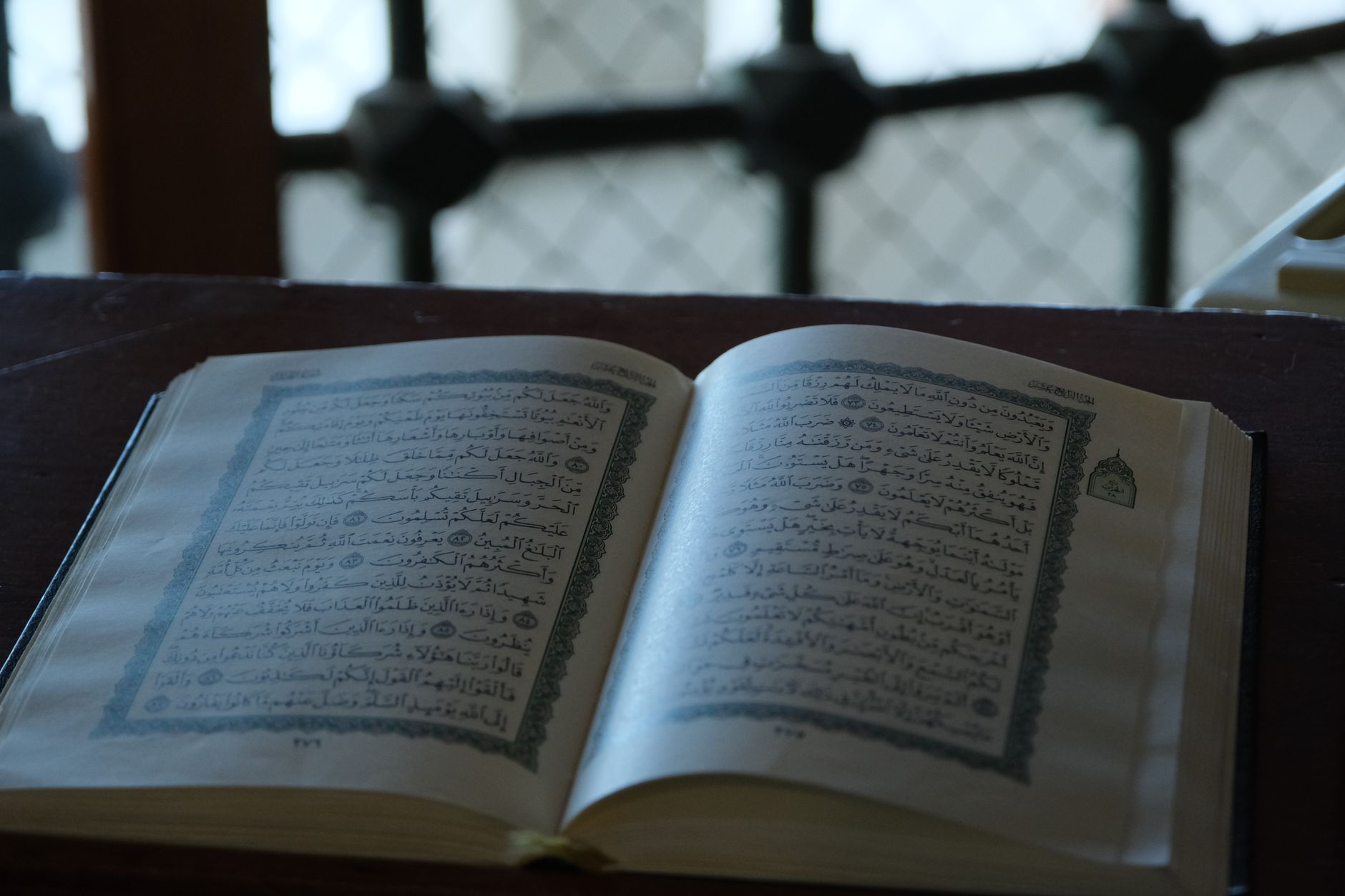
The question of whether Jesus is mentioned in the Quran is a significant one, touching upon the intersections of Christianity and Islam. Understanding the perceptions of Jesus in both sacred texts can enhance interfaith dialogues and promote a deeper appreciation of shared attributes in these two major world religions.
In the Quran, Jesus, known as ‘Isa in Arabic, is indeed referenced and holds an esteemed position. Yet, the Quran presents a different perspective on Jesus compared to the Christian Bible, which leads to rich theological discussions and insights into the beliefs of millions around the globe.
Is Jesus in the Quran?
Yes, Jesus is mentioned in the Quran multiple times and is revered as a prophet and messenger of God. However, his role and attributes differ significantly from those depicted in the Christian tradition. In Islam, Jesus is not considered divine or the son of God, but rather a human prophet who performed miracles and conveyed God’s message.
The Identity of Jesus in the Quran
In Islamic belief, Jesus is recognized as one of the most important prophets in a long line of prophets that includes figures like Noah, Abraham, Moses, and Muhammad. He is referred to as “Messiah” (Al-Masih) and is said to have been born of the Virgin Mary (Maryam), a respected figure in Islam.
Key Features of Jesus in the Quran
- Virgin Birth: The Quran affirms the miraculous birth of Jesus and describes Mary’s purity and her role as his mother.
- Prophet and Messenger: Jesus is acknowledged as a prophet who preached the message of monotheism (belief in one God) and brought guidance to the Children of Israel.
- Miracles: The Quran recounts several miracles performed by Jesus, such as healing the sick and raising the dead, emphasizing these as acts authorized by God.
- Rejection of Divinity: Unlike Christian teachings that hold Jesus as the Son of God, the Quran emphasizes his prophet status, explicitly denying any divine nature.
- Second Coming: Islamic eschatology includes the belief in Jesus’s return, where he will restore justice and defeat falsehood, further reflecting his significant role in Islamic beliefs.
Scriptural References to Jesus
The Quran includes several verses (ayahs) that mention Jesus. Here are a few of the most notable ones:
Surah Al-Imran (3:45-47)
This surah discusses the announcement of Jesus’s birth by angels to Mary:
“When the angels said, ‘O Mary, indeed Allah gives you good tidings of a word from Him, whose name will be the Messiah, Jesus, the son of Mary—distinguished in this world and the Hereafter and among those who are near [to Allah]. He will speak to the people in [the] cradle and in maturity and will be of the righteous.’ She said, ‘My Lord, how will I have a child when no man has touched me?’ He said, ‘Thus it will be; Allah creates what He wills. When He decrees a matter, He only says to it, ‘Be,’ and it is.'” (Sahih International)
Surah Maryam (19:16-21)
This passage emphasizes the miraculous birth of Jesus:
“And mention, O Muhammad, in the Book [the story of] Mary, when she withdrew from her family to a place toward the east. And she took, in seclusion from them, a screen. Then We sent to her Our Spirit, and he represented himself to her as a well-proportioned man. She said, ‘Indeed, I seek refuge in the Most Merciful from you, if you should be among the righteous.’ He said, ‘I am only the messenger of your Lord to give you [news of] a pure boy.'” (Sahih International)
Surah Al-Ma’idah (5:110)
In this verse, God speaks about the miracles granted to Jesus:
“[The Day] when Allah will say, ‘O Jesus, remember My favor upon you and upon your mother when I supported you with the Pure Spirit and you spoke to the people in the cradle and in maturity; and [remember] when I instructed you to design from clay [what was] like the form of a bird, then you breathed into it, and it became a bird by My permission; and you healed the blind and the leper and when you brought forth the dead by My permission; and when I restrained the Children of Israel from [harm] when you came to them with clear proofs and those who disbelieved among them said, ‘This is not but obvious magic.'” (Sahih International)
Theological Implications of Jesus in Christianity and Islam
The differences in how Jesus is perceived in Christianity and Islam lead to fundamental theological implications for followers of each faith.
Christian Beliefs about Jesus
In Christianity, Jesus is viewed as the incarnate Son of God, the second person of the Holy Trinity. Key aspects include:
- Savior and Redeemer: Christians believe that Jesus’s death and resurrection provide salvation to humanity from sin.
- Divine Nature: The belief in the divine nature of Jesus is foundational, with teachings emphasizing his role as both fully God and fully human.
- Personal Relationship: Many Christians consider a personal relationship with Jesus as essential for spiritual growth and connection with God.
Islamic Perspective on Jesus
Conversely, Islam emphasizes strict monotheism and the uniqueness of God (Allah). Key principles include:
- Oneness of God: Islam categorically denies any division of God’s nature and affirms that associating partners with God (shirk) is a significant sin.
- Respect and Reverence: Muslims honor Jesus as a prophet but do not worship him, viewing him solely as a bearer of God’s message.
- Finality of Prophethood: In Islam, Muhammad is regarded as the last prophet, which shapes the understanding of previous prophets, including Jesus.
Interfaith Dialogues and Understanding
The differences between Christian and Islamic views of Jesus provide a rich ground for interfaith dialogue. By engaging in conversations about Jesus, followers of both religions can focus on shared beliefs, such as:
- Monotheism: Both faiths emphasize a belief in one God, albeit with different understandings of God’s nature.
- Prophethood: The acknowledgment of prophets in both traditions can serve as a bridge for discussions about the role of divine messengers.
- Moral Teachings: Exploring the ethical teachings attributed to Jesus in both scriptures leads to shared values and moral responsibilities.
- Common Goals: Both Christians and Muslims aspire for a just and peaceful world, which can unite efforts for social justice and compassion.
Conclusion
Understanding the references to Jesus in the Quran invites a deeper appreciation of different faith traditions and highlights the importance of respectful dialogue. Recognizing the mutual reverence for Jesus can foster connections among followers of both Christianity and Islam, emphasizing shared ethics and heartfelt teachings.
As you reflect on this discussion, consider exploring deeper themes of interfaith understanding or engaging with others about these rich beliefs. You might find it fruitful to read the Quranic verses related to Jesus or consult works of theologians who specialize in interfaith dialogues.
For further exploration of spirituality and ethical teachings, consider reading about Bible verses about food and prayers for fasting.