
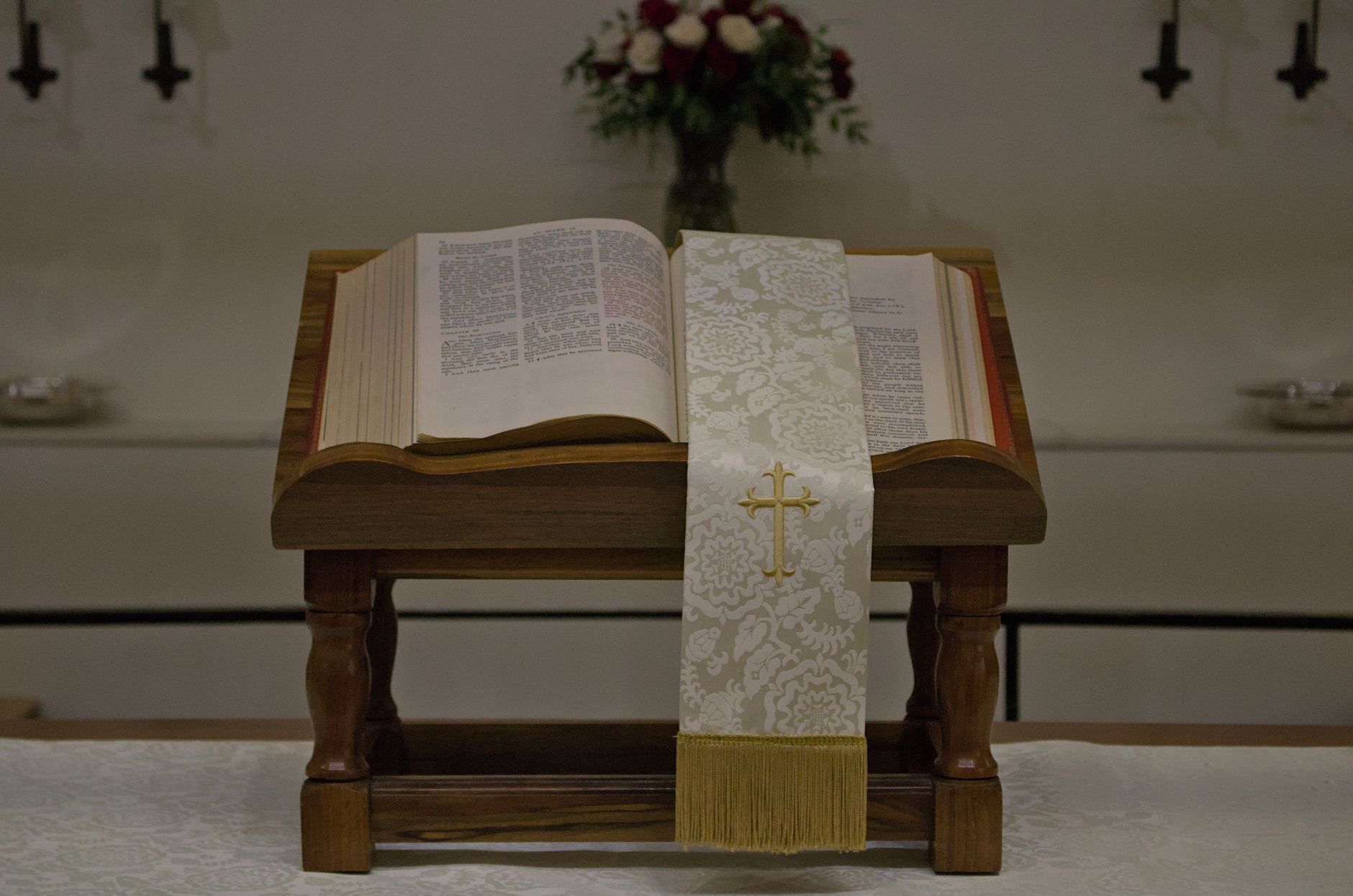
In recent years, the sight of public figures using a Bible during a significant ceremony has become a moment laden with symbolism. Particularly during his inauguration, former President Donald Trump held a Bible but notably did not place his hand on it as is customary. This action has raised numerous questions, leading many to speculate about his beliefs and intentions. What lay behind this choice? Understanding the deeper significance of such rituals and symbols can offer insights into faith, public perception, and the multifaceted relationship between politics and religion.
This article explores not just the reasons surrounding Trump’s decision, but also the broader context of the role of the Bible in political ceremonies, the significance of sacred texts in various traditions, and what this may reveal about contemporary spirituality and ethics.
Why Did Trump Not Put His Hand on the Bible?
When Trump raised the Bible during his inauguration, many noticed that he did not place his hand upon it—a gesture traditionally associated with taking an oath. The reasons for this can be conjectured to be numerous, influenced by his personal interpretations of faith, the context of the moment, or even the political implications of his actions. For many, the Bible represents a sacred text that embodies the principles of honesty, integrity, and moral living.
While certain interpretations suggest a lack of personal belief, others argue that the gesture was a conscious decision to signal his presidency’s particular brand of faith. In exchange for political support, the evangelical community has often prioritized loyalty over traditional religious practices.
The Symbolism of the Bible in American Politics
The Bible has long held a significant place in American political life. Its use during presidential inaugurations is a testament to this tradition. For example, presidents such as Abraham Lincoln, Barack Obama, and George W. Bush solemnly placed their hands on the Bible while swearing into office. The act serves as a demonstration of faith and an acknowledgment of a higher moral authority.
This custom invites scrutiny on what the Bible represents to different people. Many see it as a source of comfort and guidance, while others view it as a historical artifact with varying degrees of relevance to modern life. Understanding these perspectives clarifies not only the authority invested in symbolic gestures but also the diverse interpretations of faith among the public.
The Implications of Trump’s Decision
Trump’s decision not to place his hand on the Bible might suggest a distinct approach to religious authority—one that doesn’t strictly adhere to traditional ceremonies. This choice can reflect a broader trend within contemporary American spirituality, where personal belief often supersedes established rituals. His presidency was marked by a populist style, often prioritizing emotional resonance over conventional norms.
- Personal Interpretation of Faith: Trump’s highlighted brand of Christianity may lean more towards a personal rather than a doctrinal approach.
- Political Ambitions: The gesture (or lack thereof) may align with an effort to maintain a particular image that resonates with a specific voter base, especially evangelicals.
- Disruption of Tradition: Trump’s presidency can be viewed as a broader disruption of established norms, signaling a shift in how religious symbols are engaged within politics.
Exploring Religious Texts Across Traditions
The Bible, while central to Christianity, is not the only sacred text that serves as a moral and ethical guide across many traditions. Other religious texts, such as the Quran, Bhagavad Gita, Torah, and various others play essential roles in shaping the beliefs and practices of their respective adherents. Each tradition has its interpretation when it comes to the importance of symbols, rituals, and ethics.
Here’s a brief overview of how various religions perceive their sacred texts:
- Judaism: The Torah is seen not just as a historical document but as the foundation of Jewish law and ethics. Jews may kiss the Torah scroll to signify reverence.
- Islam: The Quran is considered the literal word of God as revealed to Prophet Muhammad. Handling the Quran requires cleanliness and respect, emphasizing the text’s sanctity.
- Hinduism: The Bhagavad Gita serves as a spiritual guide, with teachings woven into the fabric of daily life. Ritualistic respect and interpretation vary widely.
The Broader Impact of Ritual on Spiritual Growth
Rituals, much like Trump’s decision about the Bible, can serve to enrich or complicate one’s spiritual journey. Engaging with rituals provides both individual and communal dimensions of faith, often bringing clarity and purpose to the chaotic nature of daily life. The impact of rituals can positively affect spiritual growth if approached mindfully.
Reflection on Rituals and Their Meaning
To grasp the significance of rituals, it might be helpful to reflect on the following:
- Recognition of Spiritual Practice: Acknowledge how the rituals you practice contribute to your spiritual growth, fostering a deeper connection to the divine.
- Understanding Purpose: Reflect on the intention behind each ritual; does it serve a specific purpose related to your beliefs or community?
- Inclusivity and Respect: Consider how the recognition of different traditions can promote interfaith understanding.
The Historical Context of Religious Symbols
Religious symbols and texts have historically carried deep meanings and responsibilities. They serve as reflective tools for both individuals and communities. Symbols such as the cross in Christianity or the crescent in Islam convey important aspects of faith and identity, deeply intertwined with historical narratives and community solidarity.
Average People and Sacred Symbols
The relationship between everyday individuals and sacred symbols can be complex. Here are some ways in which sacred symbols manifest in daily life:
- Expressions of Belief: People often wear symbols as a form of expression of their beliefs, serving as conversation starters that can lead to meaningful discussions.
- Conduit for Community: Symbols can foster a sense of belonging within a specific religious community, bringing unity and shared identity.
- Reflection of Values: The way individuals engage with symbols can reflect their views on moral and ethical issues facing society today.
Ethics in Relation to Sacred Texts
Ethics typically draws significantly from interpretive beliefs surrounding sacred texts. The presence or absence of sacred texts in public discourse, as seen in Trump’s actions, raises questions regarding the ethical frameworks that govern public life. Ethics often inform both personal conduct and societal norms, impacting everything from law to everyday interactions.
Engaging with ethical questions—particularly within a religious context—can be challenging yet rewarding. Reflecting on ethical questions helps individuals navigate complex life scenarios effectively. Consider these points:
- Personal vs. Shared Values: Reflect on how your personal beliefs align with the ethics suggested by your faith tradition.
- Interpretation of Text: Explore how different interpretations of sacred texts can lead to differing ethical stances.
- Community Standards: Examine how your community’s ethics influence your beliefs and behaviors.
The Role of Prayer and Meditation in Spiritual Practice
Whether or not Trump’s actions were rooted in any particular faith belief, they present an opportunity for discussions surrounding prayer and meditation. Practices of prayer, historically common in many religions, serve as various forms of engagement with the divine. Meditation similarly assists individuals in gaining deeper understanding and peace.
Integration of Prayer in Daily Life
Consider establishing or deepening your prayer practice as a means of connecting with your beliefs:
- Set a Regular Time: Designate a specific time each day for prayer to foster routine spiritual engagement.
- Seek Guidance: Use written prayers or sacred texts as a framework to help you articulate your thoughts and feelings to the divine.
- Community Engagement: Attend group prayer sessions or discussion groups focused on shared beliefs and communal aspirations.
Conclusion
Understanding Trump’s omission of placing his hand on the Bible can serve as a greater exploration of the interactions between faith, politics, and personal conviction. The world of spiritual practice today often requires navigating a labyrinth of personal beliefs shaped by tradition and modernity. As traditions evolve, the exploration of how symbolic actions reflect or diverge from longstanding practices can enrich our understanding of faith in society.
For those interested in deepening their spiritual journey, consider exploring relationships with sacred texts through reflection and community engagement. Insights can come from analyzing how different beliefs shape our collective ethical landscapes.
For readers seeking additional reflections on spirituality, I invite you to explore our articles on Bible Verses About Food for the Soul and Prayers for Thanksgiving.