
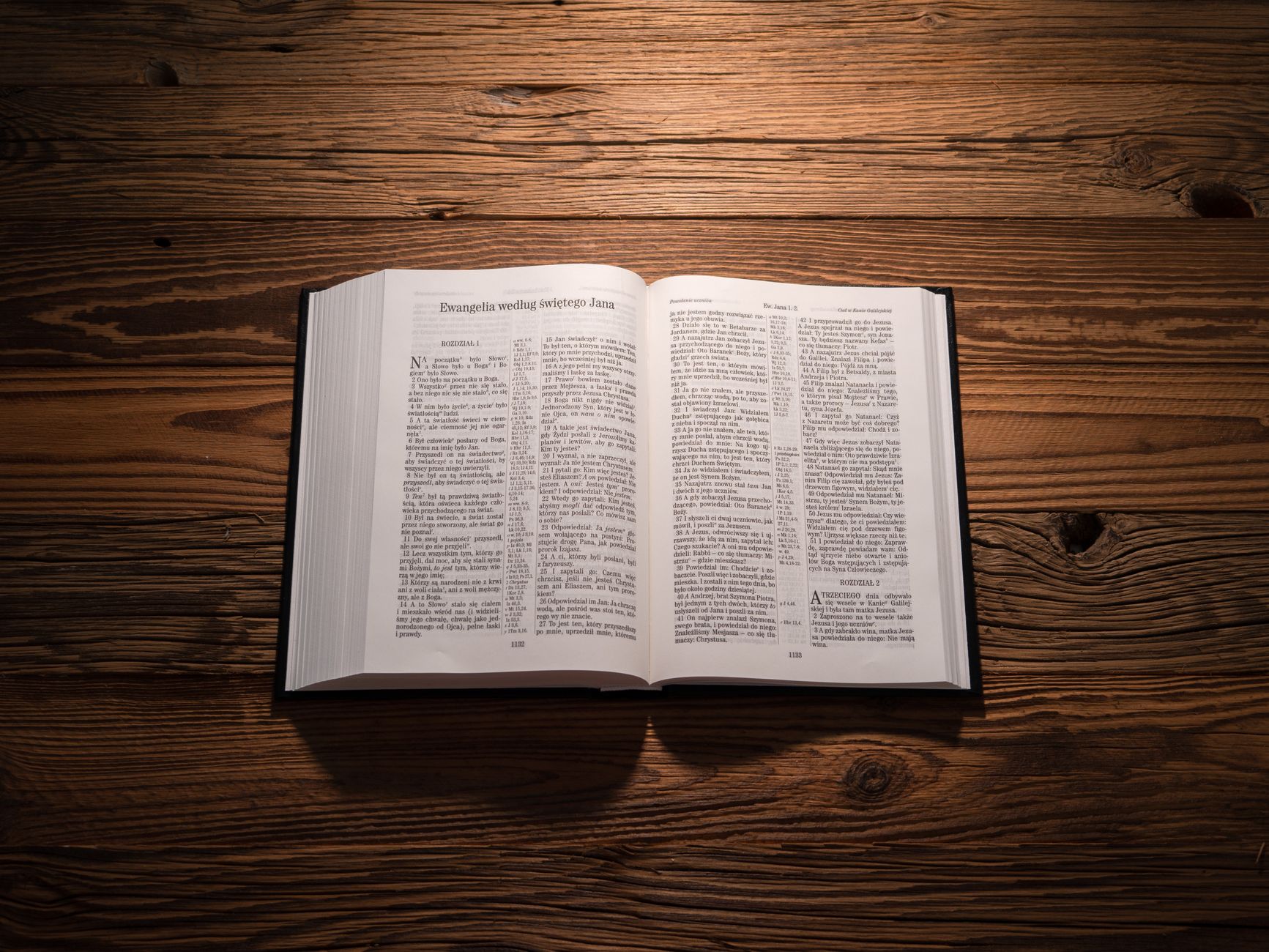
The topic of alcohol consumption, particularly in relation to biblical teachings, often sparks debate and reflection among individuals and communities. Many people turn to their religious texts, including the Bible, to seek guidance on whether drinking alcohol is permissible or discouraged. In this article, we will explore the biblical perspectives on alcohol, addressing key passages and interpretations that frame this important discussion.
Understanding the context in which alcohol is mentioned in the Bible is essential for a nuanced view of its teachings. While some scriptures warn against excess and drunkenness, others depict wine and strong drink as parts of celebrations and community life. This article aims to dissect those teachings comprehensively.
Does the Bible Say Not to Drink Alcohol?
The Bible does not outright prohibit the consumption of alcohol. Instead, it addresses the use of alcohol with caution, focusing on the importance of moderation and self-control. Numerous passages highlight both the positive and negative aspects of drinking, allowing believers to consider the choice of consumption within the framework of their faith and personal convictions.
Biblical Passages on Alcohol
To understand the biblical stance on alcohol, it is helpful to examine key verses that reference drinking. These scriptures offer insight into both the cultural significance of alcohol in biblical times and its moral implications.
Positive References to Alcohol
- Psalm 104:14-15: “He makes grass grow for the cattle, and plants for people to cultivate—bringing forth food from the earth: wine that gladdens human hearts, oil to make their faces shine, and bread that sustains their hearts.” This passage celebrates wine as a gift from God that brings joy.
- Ecclesiastes 3:13: “That each of them may eat and drink, and find satisfaction in all their toil—this is the gift of God.” Alcohol is mentioned as a source of enjoyment in the context of God’s blessings in life.
- John 2:1-10: The miracle of turning water into wine at a wedding in Cana signifies the celebratory use of wine. Jesus’ approval of this act reflects the importance of wine in social and religious contexts.
Warnings Against Excess and Drunkenness
- Ephesians 5:18: “Do not get drunk on wine, which leads to debauchery. Instead, be filled with the Spirit.” This verse clearly warns against drunkenness, promoting spiritual fulfillment over physical indulgence.
- Proverbs 20:1: “Wine is a mocker, strong drink is raging: and whosoever is deceived thereby is not wise.” This warning encourages individuals to beware of the potential negative consequences of excessive drinking.
- 1 Peter 5:8: “Be sober-minded; be watchful. Your adversary the devil prowls around like a roaring lion, seeking someone to devour.” The call for sobriety indicates the importance of maintaining clear judgment over allowing alcohol to impede it.
Contextual Understanding of Alcohol in Biblical Times
Alcohol held a significant place in ancient cultures, including those in biblical narratives. It was a common part of religious festivities and daily life. However, how it was consumed and its effects were carefully monitored in many teachings. Understanding the cultural context can help clarify the relevance of these teachings today.
Cultural Significance
In biblical times, wine was not merely a beverage; it was integral to celebrations, religious ceremonies, and community bonding. Drinking wine was often associated with joy and shared experiences. Festivals, like Passover, involved wine as a ritual component.
Moderation and Self-Control
The consistent message in the Bible regarding alcohol emphasizes moderation. It urges believers to engage in responsible drinking, considering the impact of their actions on themselves and their community. This principle fosters a sense of personal responsibility in making choices regarding alcohol consumption.
Alcohol and Spiritual Life
For many believers, the relationship between alcohol and spirituality can be complex. Alcohol’s potential to foster communal experiences can be seen as a way to enhance social bonds and celebrate life. On the other hand, the risks associated with excessive drinking pose spiritual and moral challenges.
Reflection Questions
- How does your faith influence your view of alcohol consumption?
- What guidance do you find in scripture for making choices about drinking?
- How can you practice moderation and self-control in your lifestyle, especially in social settings involving alcohol?
Modern Interpretations and Personal Choices
Churches and individual believers may interpret biblical teachings on alcohol differently, leading to diverse practices regarding consumption today. Some traditions encourage complete abstinence, viewing any form of drinking as a temptation that should be avoided. Others adopt a more permissive stance, focusing on moderation and the social aspects of drinking.
Abstaining from Alcohol
Some Christian denominations advocate for abstaining from alcohol entirely. This position is often based on the belief that avoiding alcohol can prevent addiction, promote a life of purity, and foster a better witness to others. Those who choose to abstain may find community support within their faith tradition.
Moderation in Drinking
Conversely, other Christians encourage responsible drinking, framed within the context of moderation. They may celebrate alcohol as part of God’s creation that can enhance community bonds when consumed wisely. This perspective emphasizes the importance of discernment, self-control, and attentiveness to one’s own limits and those of others in social situations.
The Role of Community in Decision-Making
The communal aspect of faith is vital in helping individuals navigate personal decisions about alcohol. Engaging with a faith community allows for the sharing of experiences, strategies for moderation, and mutual support in fostering healthy choices.
Seek Counsel from Spiritual Leaders
Believers facing dilemmas concerning alcohol may benefit from discussing their concerns with mentors, pastors, or church leaders. These conversations can provide insight and wisdom grounded in scripture and personal experience. It can also highlight differing views within the community regarding alcohol and its consumption.
Personal Reflection and Prayer
Seeking personal clarity through prayer and reflection can further guide one’s approach to alcohol. Taking time to meditate on relevant scriptures and considering one’s personal values can lead to informed decisions concerning drinking. Here are steps for reflection:
- Set aside time for quiet reflection or prayer, asking for guidance in your choices.
- Read relevant scripture passages on alcohol and take note of your thoughts and feelings about them.
- Consider discussing your reflections with a trusted friend or spiritual mentor to gain additional perspectives.
- Make a decision based on thoughtful consideration of scripture, community guidance, and your personal convictions.
Conclusion
In summary, the Bible does not explicitly say to abstain from alcohol; instead, it emphasizes moderation, self-control, and the importance of being mindful of one’s actions. Alcohol can serve both positive and negative roles, and believers are encouraged to seek wisdom through scripture and communal engagement regarding their choices. Ultimately, making informed decisions about alcohol consumption can lead to a more spiritually fulfilling life.
As you reflect on your beliefs and practices, consider journaling your insights or discussing them within your community to foster deeper understanding and support. Exploring passages such as this article on Bible verses about food can enrich your perspective on how religious teachings influence your lifestyle choices.
For more on spiritual practices, you might find interest in prayers for fasting to deepen your connection with your faith and enhance personal growth.