
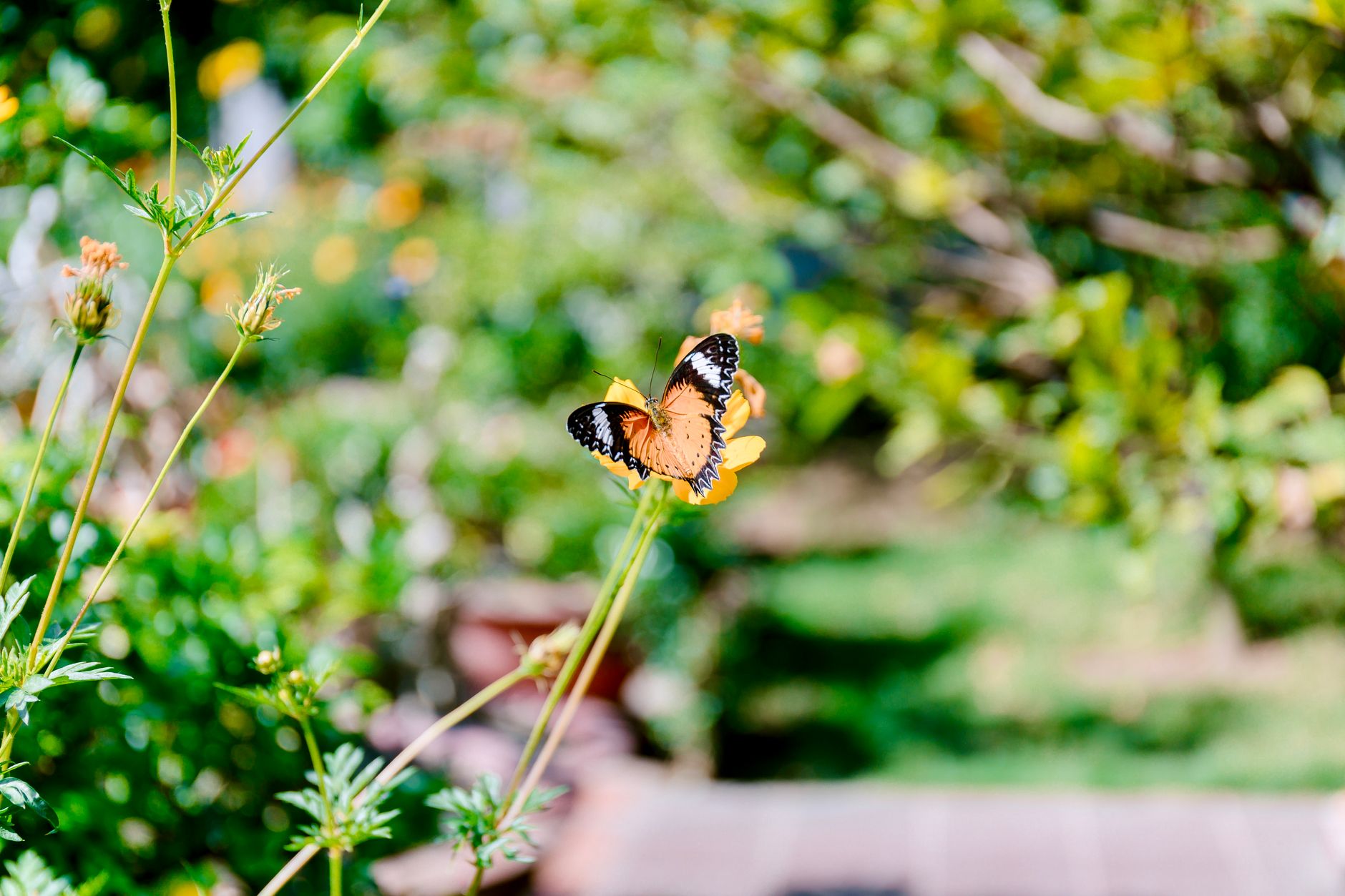
The Bible is rich in imagery and symbolism, and butterflies often emerge as profound symbols within various contexts. While the concept of butterflies is not explicitly articulated in scripture, their characteristics and life cycle resonate with biblical themes such as transformation, renewal, and resurrection.
This article explores the associations between butterflies and biblical principles, fostering a deeper understanding of what they might represent in spiritual and religious contexts.
What Does the Bible Say About Butterflies?
The Bible does not directly mention butterflies, yet many readers draw insightful parallels between these creatures and spiritual concepts presented in scripture. The metamorphosis of a caterpillar into a butterfly can symbolize spiritual rebirth, much like themes of resurrection found in both the Old and New Testaments. Additionally, the beauty of butterflies may serve as a reminder of God’s creation and the wonders of life.
Symbolism of Butterflies in Spiritual Contexts
Many spiritual traditions see butterflies as symbols of change and transformation, echoing the metamorphosis seen in their life cycles. Within Christianity, the following associations stand out:
- Transformation: The process of a caterpillar becoming a butterfly illustrates radical transformation. This resonates with biblical teachings about personal transformation through faith.
- Renewal: Just as a butterfly emerges renewed from its chrysalis, believers often connect this imagery to the concept of rebirth in Christ, as mentioned in John 3:3-7, where Jesus speaks about being born again.
- Hope and Resurrection: The lifecycle of the butterfly can serve as a metaphor for resurrection, mirroring the resurrection of Jesus. The Apostle Paul writes in 1 Corinthians 15:42-44 about the resurrection of the body, linking the physical with the spiritual realms.
Metaphorical Interpretations
The beauty of butterflies can invite reflection on God’s exquisite creation. Many find that contemplating butterflies within a spiritual context encourages an appreciation for the intricacies of life. Let’s look at spiritual interpretations of butterflies through various avenues:
1. The Beauty of God’s Creation
Butterflies, with their stunning colors and delicate wings, can inspire awe for the Creator. Psalm 104:24-25 states, “How many are your works, Lord! In wisdom you made them all; the earth is full of your creatures.” This acknowledgment fosters a deeper reverence for the artistry inherent in creation, encompassing all living beings, including butterflies.
2. The Concept of Change
Butterflies exemplify change by their progressive stages, each markedly different from the last. This idea parallels spiritual growth. A personal journey of faith may involve shedding old selves in pursuit of becoming more aligned with one’s spiritual ideals.
3. Symbol of Freedom
Butterflies embody freedom, soaring through the air with grace. In many faiths, the notion of spiritual freedom relates to liberation from sin and the ability to live in accordance with divine purpose. In Galatians 5:1, Paul emphasizes that “it is for freedom that Christ has set us free.” This echoes the concept of butterflies finding liberation in flight.
Biblical Themes Related to Transformation
While there may not be explicit references to butterflies in the Bible, various passages reflect on themes of change and transformation that parallel the butterfly’s lifecycle:
The Metaphor of New Birth
One of the most powerful themes surrounding transformation in the New Testament is the concept of being “born again.” Jesus speaks to Nicodemus in John 3, explaining the need for spiritual rebirth. This transformative experience aligns closely with the journey of a butterfly breaking free from a chrysalis, suggesting that believers also experience profound change.
Examples of Transformation in Scripture
The Bible offers various narratives that illustrate transformation:
- The Conversion of Saul: In Acts 9, Saul, who persecuted Christians, had a dramatic conversion and transformed into Paul, the apostle. This powerful change mirrors the metamorphosis observed in butterflies.
- The Prodigal Son: This parable (Luke 15:11-32) tells of a son who strays but is welcomed back by his father. The son’s return signifies renewal and reconciliation reminiscent of the spiritual rebirth of a believer.
- Mary’s Role in the Resurrection: Mary Magdalene’s witness to Jesus’s resurrection (John 20:11-18) embodies transformation, as she moves from despair to joy, reflecting the hope found in new life.
Butterflies and Creation in the Psalms
The Book of Psalms often praises the wonders of God’s creation, and while butterflies are not mentioned by name, they can indirectly represent God’s handiwork.
Psalm 104: A Celebration of Nature
Psalm 104 offers a rich meditation on nature, depicting the variety and mystery of God’s creation. Verses 24-25 highlight the endless works of God, encouraging readers to recognize the divine artistry woven through all creatures.
When reflecting on such passages, one can draw parallels between the beauty of butterflies and the various elements of God’s creation, leading to admiration and deeper faith.
Practical Spiritual Exercise: Reflecting on Butterfly Symbolism
Engaging with the symbolism of butterflies can deepen spiritual insight and appreciation for transformation. Here is a practical exercise to help you meditate on these themes:
- Find a Quiet Place: Choose a serene location, either outdoors or indoors, free from distractions. Consider incorporating natural elements, such as flowers or plants, to enhance your experience.
- Visualize Transformation: Close your eyes and visualize the lifecycle of a butterfly. Imagine the caterpillar’s journey to becoming a butterfly, symbolizing your own transformation or any changes you are navigating in your life.
- Prayer and Contemplation: Take a moment for prayer. Invite God to guide you as you reflect on areas where you seek transformation. Consider journaling any insights that arise during this time.
- Express Gratitude: Thank God for the beauty of creation, including butterflies and the transformative moments in your life. Recite a prayer of gratitude, focusing on the beauty around you.
Butterflies in Other Spiritual Traditions
While this article centers on the Christian perspective, butterflies hold significance across various spiritual traditions. Understanding these beliefs enhances our interfaith comprehension:
1. Native American Beliefs
In many Native American cultures, butterflies symbolize change and joy. Some tribes regard them as messengers that bring transformation and spiritual insight.
2. Japanese Culture
In Japan, butterflies are seen as symbols of the soul. They represent the spirit of deceased loved ones, reflecting themes of life, death, and rebirth.
3. Asian Spirituality
In Buddhist traditions, the butterfly often represents spiritual rebirth and enlightenment, symbolizing the soul’s journey toward awakening.
Celebrating Transformation: Festivals and Rituals
Several religious festivals celebrate concepts of transformation, which can parallel themes associated with butterflies:
1. Easter in Christianity
Easter celebrates the resurrection of Jesus Christ, heralding themes of renewal and rebirth. The symbolism of the butterfly complements the hopes for new life that Easter embodies.
2. Vesak in Buddhism
Vesak honors the birth, enlightenment, and death of the Buddha, connecting deeply with the themes of transformation and awakening found within butterfly symbolism.
3. Celebrations of Nature
Many cultures celebrate the change of seasons, which can be another opportunity to reflect on transformation in nature, much like the metamorphosis of butterflies.
Ethical Reflections on Change
Transformation often necessitates ethical dilemmas or choices, prompting reflection on personal beliefs and actions. Here are key questions to consider:
- How does your faith inspire transformation in your life?
- Are there areas in your life where you are resistant to change that you feel called to explore?
- How can embracing transformation lead to greater compassion and understanding towards others?
The Beauty and Spirituality of Butterflies
Ultimately, while the Bible does not specifically mention butterflies, their symbolic resonance within themes of transformation, renewal, and divine beauty enriches the spiritual landscape for many believers. As messengers of change, they inspire reflection on the multifaceted nature of life and faith.
As you observe butterflies in nature, consider what they represent in your spiritual journey. They remind us that, like the caterpillar, we are capable of profound growth and transformation.
This exploration of butterflies invites readers to deepen their understanding of faith and seek beauty in the process of change. By recognizing the sacredness within transformations, one can cultivate a spiritual outlook that embraces hope, renewal, and liberation.
For those interested in further exploring biblical references to themes of sweetness and sustenance, you may consider reading more about the significance of honey in the Bible at Honey in the Bible, or examining various biblical verses about food and its spiritual implications at Bible Verses about Food.