
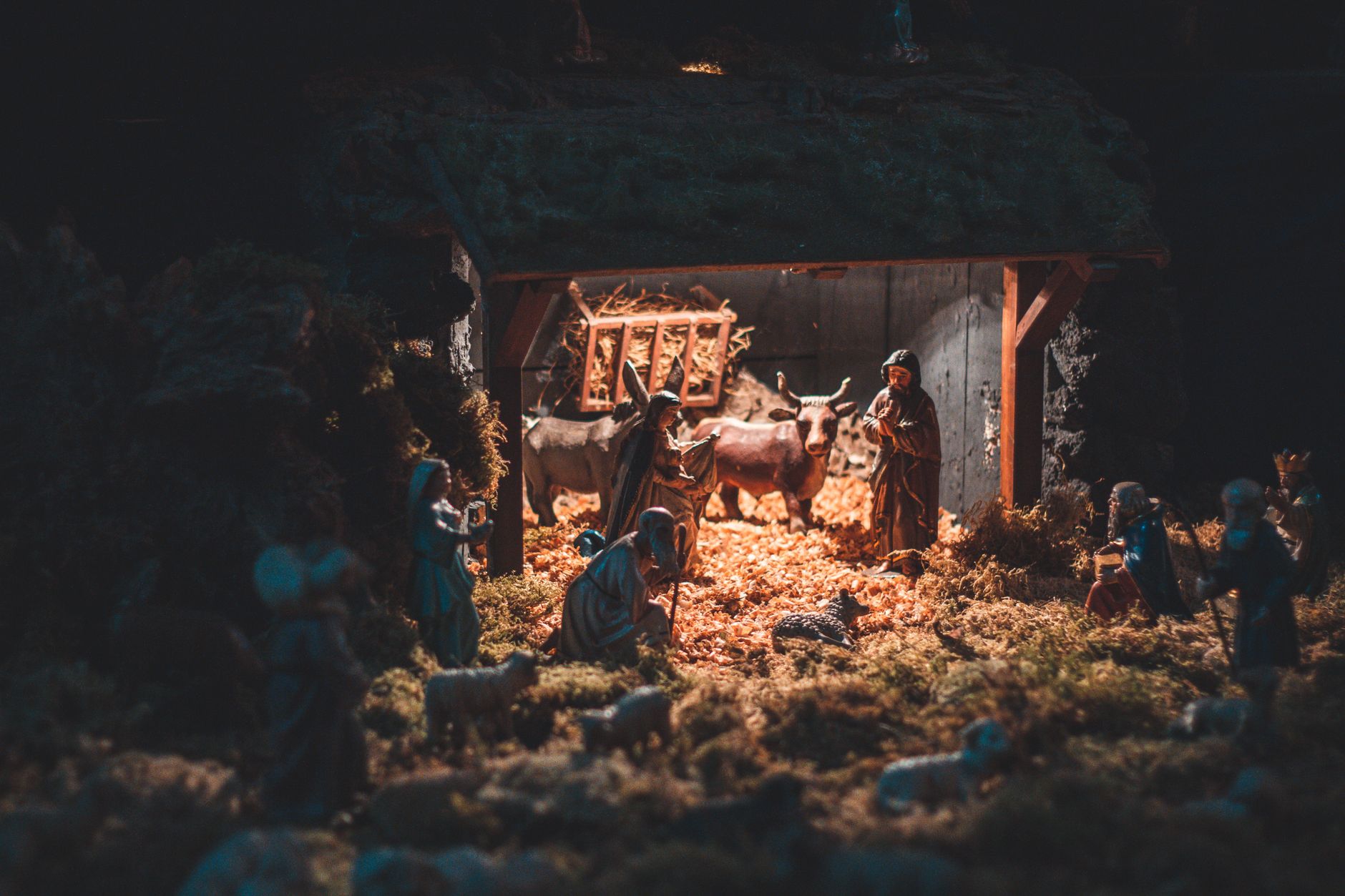
The birth of Jesus Christ is a central event in Christianity, representing hope, redemption, and divine love. Understanding the biblical accounts of His birth is essential for grasping the significance of this momentous event within Christian faith. This article will explore the books of the Bible that recount Jesus’ birth, providing context, interpretations, and the theological implications of the narratives.
Jesus is primarily recognized as being born in the New Testament, specifically in the Gospels of Matthew and Luke. These two books provide distinct yet complementary accounts of Jesus’ birth, each offering its unique perspective and emphasis on different aspects of the event.
What Book of the Bible Is Jesus Born?
Jesus is born in the New Testament, specifically in the Gospels of Matthew (chapters 1 and 2) and Luke (chapters 1 and 2). Each Gospel presents a unique narrative that highlights different facets of Jesus’ birth, including its historical and theological significance.
The Gospel of Matthew
The Gospel of Matthew offers a rich account of the birth of Jesus, focusing on His lineage and the fulfillment of Old Testament prophecies. Matthew’s narrative emphasizes the following key elements:
Lineage of Jesus
Matthew begins his Gospel with a genealogy that traces Jesus’ lineage back to Abraham, the father of the Jewish nation. This genealogy underscores Jesus’ role as the Jewish Messiah, fulfilling God’s covenant promises.
The Annunciation to Joseph
In Matthew 1:18-25, the Gospel details Joseph’s response to Mary’s pregnancy. It describes how Joseph initially planned to divorce Mary quietly, but an angel appeared to him in a dream, persuading him to take Mary as his wife. The angel declares that Mary will give birth to a son named Jesus, who will save His people from their sins. This event is significant as it emphasizes Jesus’ divine mission.
The Visit of the Magi
Matthew 2:1-12 recounts the story of the Magi, wise men from the East, who followed a star to seek the newborn king. Their visit highlights Jesus’ significance as a king not only for the Jewish people but for all nations. The Magi present gifts of gold, frankincense, and myrrh, symbolizing Jesus’ royalty, divinity, and future suffering.
Escape to Egypt
Following the Magi’s visit, an angel warns Joseph in a dream about King Herod’s plan to kill the child, prompting Joseph to flee to Egypt with Mary and Jesus (Matthew 2:13-15). This event fulfills the prophecy from Hosea 11:1, “Out of Egypt I called my son,” demonstrating how Jesus’ life and mission fulfill the Old Testament prophecies.
The Massacre of the Innocents
Herod orders the massacre of all male infants in Bethlehem (Matthew 2:16-18) in an attempt to eliminate Jesus. This horrific act resonates with the prophecy of Jeremiah, illustrating the struggles and suffering that accompany Jesus’ birth and setting the stage for His future ministry and sacrifice.
Return to Nazareth
After Herod’s death, Joseph, Mary, and Jesus return to Nazareth (Matthew 2:19-23). This voluntary return to Nazareth fulfills the prophecy that Jesus would be called a Nazarene, further affirming His identity and mission.
The Gospel of Luke
The Gospel of Luke presents the birth of Jesus with a strong emphasis on social justice, divine mercy, and the role of women. Luke’s account is notable for the following aspects:
The Annunciation to Mary
Luke 1:26-38 recounts the angel Gabriel’s visit to Mary, announcing that she would conceive a child by the Holy Spirit. This moment highlights Mary’s obedience and faith in accepting her role as the mother of the Messiah. Unlike Matthew, which focuses on Joseph, Luke places Mary at the center of the narrative.
The Magnificat
After the Annunciation, Mary visits her cousin Elizabeth, who is pregnant with John the Baptist. In Luke 1:46-55, Mary sings the Magnificat, a powerful song of praise celebrating God’s mercy and justice. This passage emphasizes the theme of divine favor extended to the marginalized and oppressed.
The Birth of Jesus
Luke 2:1-7 describes the humble circumstances of Jesus’ birth in a manger because there was no room at the inn. This detail highlights Jesus’ identification with the poor and marginalized from the very beginning, setting the tone for His ministry.
The Shepherds and the Angels
In Luke 2:8-20, angels announce Jesus’ birth to shepherds, who represent the humble and the marginalized. The angels declare a message of peace and goodwill, capturing the essence of Jesus’ mission to bring hope to all humanity. The shepherds’ response to seek Jesus embodies the ideal of faith and humility.
The Presentation at the Temple
Following Jesus’ birth, Luke recounts His presentation at the temple (Luke 2:22-38). This event not only fulfills Jewish law but also highlights the significance of Jesus’ future role as the Messiah. Simeon and Anna, who recognize Jesus’ importance, offer profound blessings, affirming His mission’s spiritual and covenantal significance.
Comparative Analysis of Matthew and Luke
While both Gospels tell the story of Jesus’ birth, they differ in perspective, themes, and emphasis:
- Genealogy: Matthew emphasizes Jesus’ royal lineage, while Luke traces Jesus’s genealogy back to Adam, highlighting His connection to all humanity.
- Focus on Mary vs. Joseph: Matthew’s account centers on Joseph’s perspective, while Luke highlights Mary’s role and her response to the angel.
- Social Justice Themes: Luke emphasizes themes of mercy, justice, and the inclusion of the marginalized, while Matthew focuses on Jesus fulfilling Old Testament prophecies.
Theological Significance of Jesus’ Birth
The birth of Jesus holds profound theological significance within Christian thought:
Incarnation
Jesus’ birth is celebrated as the moment of the Incarnation, where God becomes human. This doctrine asserts that Jesus is fully divine and fully human, bridging the gap between God and humanity.
Fulfillment of Prophecy
Both Matthew and Luke emphasize the fulfillment of prophecies regarding the Messiah’s birth. These fulfillments affirm God’s faithfulness to His promises throughout history.
Emphasis on Humility
The humble circumstances surrounding Jesus’ birth challenge conventional notions of power and greatness. By being born in a stable and visited by shepherds, Jesus exemplifies God’s preferential option for the poor and marginalized.
Universal Message of Salvation
Jesus’ birth signifies a universal message of salvation. The visit of the Magi in Matthew’s account and the announcement to the shepherds in Luke’s account point to Jesus’ significance for all people, transcending ethnic and social boundaries.
Reflection and Application
Understanding the birth of Jesus can deepen one’s faith and appreciation of Christian teachings. Here are a few practical reflections:
- Embrace Humility: Reflect on the humility of Christ’s birth. Consider how you can adopt a posture of humility in your daily life.
- Foster Hope: Jesus’ birth is a source of hope for many. Reflect on where you find hope in your life and how you can share that hope with others.
- Engage with the Marginalized: Following Jesus’ example, consider how you can serve and engage with those who are marginalized in your community.
Conclusion
Jesus is born in the Gospels of Matthew and Luke, which each provide unique perspectives on this pivotal event in human history. The accounts reveal deep theological truths regarding the nature of Jesus as the Messiah, God’s fulfillment of prophecy, and the significance of His humble beginnings. Reflecting on the birth of Jesus invites believers and seekers alike to consider their own lives in the light of His example of love, justice, and humility.
To deepen your understanding of the teachings surrounding Jesus and faith, consider exploring articles such as “Jesus Is The Reason for The Season” and “What Does the Bible Say About Raising Children?” which delve into Christian principles and teachings.