
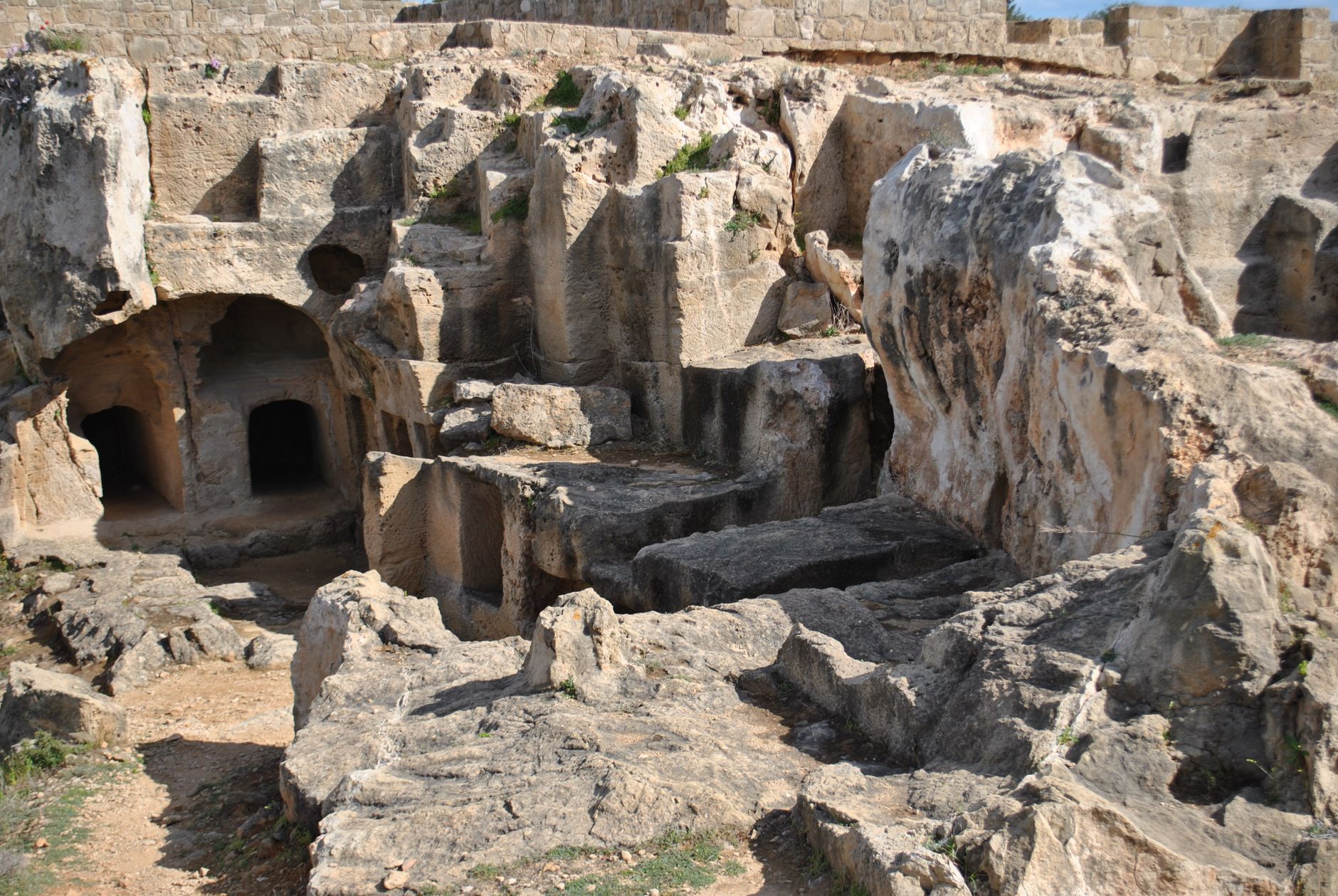
The question of what Jesus did during the three days in the grave is a significant topic in Christian theology and scripture. This period is often referred to as the “harrowing of hell” or the time He spent in the tomb following His crucifixion and preceding His resurrection. Understanding this event is essential for grasping the implications of Jesus’s sacrifice and His victory over death.
In this article, we will explore the scriptural references, interpretations, and theological significance of the three days Jesus spent in the grave according to the King James Version (KJV) of the Bible. We will also examine the implications this period holds for Christian faith and spiritual understanding.
What Did Jesus Do the Three Days in the Grave Kjv?
According to Christian belief, during the three days in the grave, Jesus experienced a state of physical death, but many theologians and scholars suggest that He was also active in a spiritual sense. The time following His crucifixion and burial before His resurrection (Matthew 27:57-66, KJV) raises several theological questions about His activities during that period. The prevailing interpretation among many Christian traditions is that Jesus descended to the dead and proclaimed victory over sin and death.
Scriptural Context
The primary scripture passages that guide our understanding of what Jesus did during the three days in the grave primarily involve references from the Gospels and the Apostolic letters. They lay the groundwork for theological discussions surrounding Jesus’s death, burial, and resurrection.
Key Scriptural References
- Matthew 27:57-66: This passage describes Jesus’s entombment after His death, emphasizing the precautions taken by the authorities to secure the tomb.
- Luke 23:44-46: Luke tells of Jesus’s final words before His death, affirming His trust in God even amid great suffering.
- 1 Peter 3:18-20: These verses mention Jesus preaching to the spirits in prison, where He went after His death to make known His victory.
- Ephesians 4:8-10: This passage alludes to Jesus’s descent and ascent, indicating a journey to the depths of the earth.
- Acts 2:31: Peter references the resurrection by quoting David, shedding light on the certainty of Christ’s victory over death.
Theological Interpretations
Over the centuries, various Christian traditions have offered interpretations regarding Jesus’s activities during the three days in the grave. Here are some of the primary views held by theologians:
The Harrowing of Hell
One widely accepted belief is the “harrowing of hell.” This doctrine holds that Jesus descended into hell or Hades to rescue the righteous souls who had died before His coming. Supporters of this view argue that Jesus’s victory at the cross extended beyond physical death, reaching into the realm of the dead where He liberated souls imprisoned by sin. This is interpreted from 1 Peter 3:19, which states:
“By which also he went and preached unto the spirits in prison;” (1 Peter 3:19, KJV)
Proclaiming Victory
In addition to rescuing souls, many Christians believe that Jesus unequivocally proclaimed His victory over death to both the living and the dead. Some interpret this as Him announcing the ultimate defeat of sin and death. This perspective underscores the significance of Jesus’s resurrection, providing assurance of eternal life and hope for believers.
Spiritual Preparation
Another interpretation suggests that these three days were a time of spiritual preparation. Jesus’s act of descending into the grave symbolizes His thorough engagement with the issues of sin and death, making way for the new covenant established by His resurrection. This acknowledges the serious nature of sin and the profound reality of death, underscoring the magnitude of His sacrifice.
The Significance of Jesus’s Actions
The implications of Jesus’s activities during the three days in the grave extend deeply into Christian theology and the lives of believers today. Here, we discuss several key themes arising from this understanding:
Victory Over Death
One of the most comforting aspects of Jesus’s time in the grave is the declaration of victory over death. By embracing death, Jesus exemplifies His love for humanity and removes the sting of sin. This victory assures believers that death is not the end, leading to hope of eternal life and reconciliation with God.
The Fulfillment of Prophecy
The fulfillment of Old Testament prophecies further highlights the significance of the three days in the grave. These prophetic texts underscore Jesus’s identity as the Messiah and the Savior. For instance, Isaiah 53 articulates the suffering servant, which foretells the sacrificial death of Jesus that brings redemption to God’s people.
Solace in Suffering
Understanding the harrowing of hell and Jesus’s experience in the grave can provide solace to believers during times of suffering. It reassures Christians that Jesus intimately understands the pain of separation and loss. He has walked through death and emerged victorious, offering comforting words and grace to those who experience grief or loss.
Practical Spiritual Applications
Reflection on what Jesus did during the three days in the grave invites believers to deepen their faith and spiritual practice. Here are some ways individuals can incorporate this understanding into their spiritual lives:
- Contemplate the significance of sacrifice: Spend time in prayer reflecting on the meaning of Jesus’s sacrifice and the implications of His victory over death.
- Engage in communal worship: Participate in communal worship services during key Christian liturgical events like Good Friday and Easter, acknowledging the transition from death to resurrection.
- Practice gratitude: Maintain a gratitude journal where you acknowledge the blessings and hope that arise from Jesus’s sacrifice and resurrection.
- Share the message: Spread the good news of the Gospel, which encompasses Jesus’s victory over death and the hope of eternal life.
What Do Different Christian Traditions Teach?
Within Christianity, varying interpretations of Jesus’s actions during the three days in the grave can be found across different denominations. Here’s a broad overview of how several traditions approach this doctrine:
Catholicism
The Catholic Church teaches about the “harrowing of hell” as articulated in the Apostles’ Creed, which mentions Jesus descending into hell. The Church emphasizes this descent as a significant affirmation of Jesus’s victory over death and sin, believing that He preached to the souls awaiting redemption.
Orthodoxy
In Orthodox Christianity, the theme of Christ’s descent is prevalent. The Orthodox Church celebrates this event as part of the Paschal liturgy, marking it as a triumphant proclamation of victory over the dark forces of sin and death. The iconography often reflects Christ’s descent into Hades, depicted breaking down the gates of hell.
Protestantism
Most Protestant denominations hold a variety of views regarding the specifics of what Jesus did in the grave. Some emphasize the proclamation of victory, while others focus primarily on the significance of the resurrection itself, asserting that Jesus’s actions in the grave serve to underscore the reality of His resurrection.
The Connection to the Resurrection
The period Jesus spent in the grave culminates in the glorious event of His resurrection. The resurrection serves as a confirmation of faith for Christians around the world, establishing assurance that through Him, believers too will have eternal life. Importantly, it is the resurrection that solidifies the victory Christ achieved over death and sin.
Understanding Resurrection
In a theological sense, the resurrection is not merely a return to life; it represents a transformation and the establishment of a new reality. This transforms the understanding of life and death, signaling that those who believe in Christ are also promised resurrection. This is beautifully captured in 1 Corinthians 15:55-57:
“O death, where is thy sting? O grave, where is thy victory? The sting of death is sin; and the strength of sin is the law. But thanks be to God, which giveth us the victory through our Lord Jesus Christ.” (1 Corinthians 15:55-57, KJV)
Conclusion
The activities of Jesus during the three days in the grave are rich with meaning and profound significance for believers. Through a combination of scriptural references and theological interpretations, Christians understand this period not merely as a time of silence, but as an active engagement with sin and death, sealing the promise of victory available to all who believe. In reflecting on these truths, believers are invited to deepen their faith, grow in hope, and share the message of redemption with the world.
As you explore these themes, consider reading more about the crucifixion in the Bible or connecting with discussions around biblical figures and their significance, such as in the articles about the crucifixion of Jesus or the story of Cain in the Bible. Each of these can enrich your understanding of scripture and its meanings in the context of faith and salvation.