
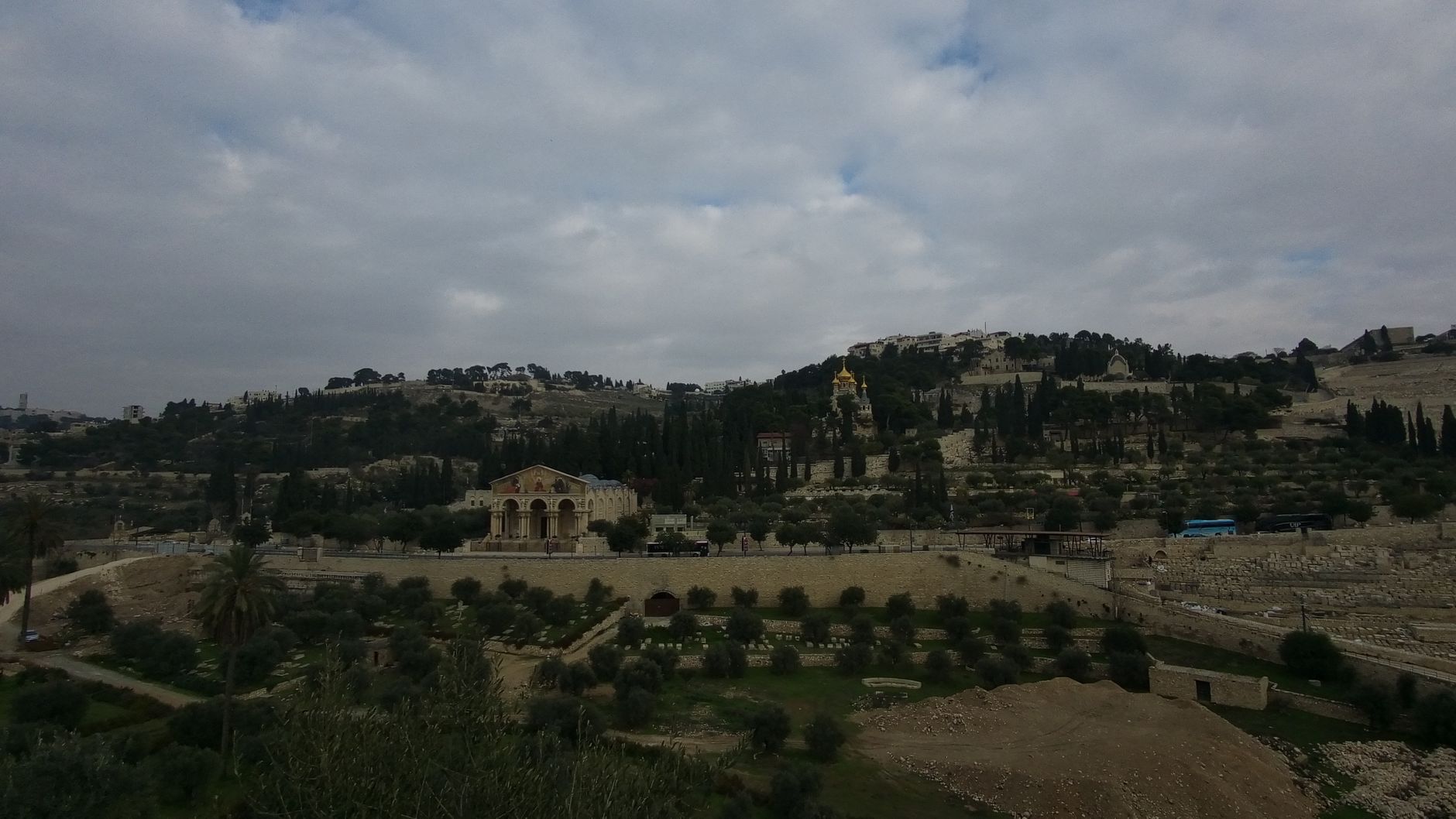
The Hill Where Jesus Was Crucified, known as Golgotha or Calvary, holds profound significance in Christianity. It is not only a geographical location but a symbol of sacrifice, redemption, and hope. This article will explore the scriptural references to this location, its meaning within the Christian faith, and the spiritual lessons it imparts about suffering, forgiveness, and love.
Understanding Golgotha involves delving into the historical and theological contexts surrounding the crucifixion of Jesus. As a place of immense sorrow and grace, it invites reflection on faith, sacrifice, and the transformative power of love. In this exploration, we will look at the scriptural accounts, historical geography, theological interpretations, and the legacy of this sacred site.
What is the Hill Where Jesus Was Crucified?
The Hill Where Jesus Was Crucified, commonly referred to as Golgotha, is mentioned in all four Gospels of the New Testament. The term “Golgotha” is an Aramaic word meaning “place of the skull” (Matthew 27:33). It is traditionally associated with Calvary, which comes from the Latin term “calvaria,” also meaning “skull.” This location symbolizes not just the physical act of crucifixion, but also the profound spiritual implications of Jesus’ death and resurrection.
According to the Gospel accounts, Jesus was led to Golgotha after being condemned by Pontius Pilate. Here, he was crucified alongside two criminals, fulfilling ancient prophecies and representing the ultimate sacrifice for humanity’s sins.
Scriptural References to Golgotha
The crucifixion of Jesus is recorded in the New Testament as follows:
- Matthew 27:33-34 (NIV): “They came to a place called Golgotha (which means ‘the place of the skull’). There they offered Jesus wine to drink, mixed with gall; but after tasting it, he refused to drink it.”
- Mark 15:22-23 (NIV): “They brought Jesus to the place called Golgotha (which means ‘the place of the skull’). Then they offered him wine mixed with myrrh, but he did not take it.”
- Luke 23:33 (NIV): “When they came to the place called the Skull, they crucified him there, along with the criminals—one on his right, the other on his left.”
- John 19:17 (NIV): “Carrying his own cross, he went out to the place of the Skull (which in Aramaic is called Golgotha).”
These passages provide a clear identification of Golgotha as the site of Jesus’ crucifixion. They help create a vivid picture of the events leading to his death, underscoring the brutality and sorrow experienced during this momentous occasion.
Theological Significance of Golgotha
The crucifixion at Golgotha is central to Christian theology as it represents the culmination of Jesus’ earthly mission. Here are several important theological themes connected to this event:
- Atonement: The belief that Jesus’ death served as a sacrificial atonement for humanity’s sins is foundational. His willingness to endure suffering is seen as a profound act of love and obedience to God.
- Fulfillment of Prophecy: Jesus’ crucifixion fulfills numerous prophecies from the Old Testament, including Isaiah 53, which speaks of a suffering servant. This connection illustrates continuity between the Hebrew Bible and the New Testament.
- Hope and Resurrection: Golgotha is not just a place of death; it leads to the resurrection. The events that unfold here signify that through suffering, there is hope and new life, evidenced by the resurrection of Jesus on the third day.
- Ultimate Sacrifice: The crucifixion exemplifies the ultimate sacrifice. In Christian teaching, Jesus’ selfless act is a model for followers to embrace love, forgiveness, and compassion in their lives.
The Historical Context of Golgotha
Understanding Golgotha’s historical context enriches the contemporary faith experience. It was a location outside the city walls of Jerusalem, often used for executions. The topography indicates that it was likely a place visible to many, embodying the shame associated with crucifixion.
The Romans used crucifixion as a method of execution primarily for slaves, rebels, and the most heinous criminals. By crucifying Jesus, the Roman authorities sought to assert their power and deter insurrection. Golgotha’s starkness as a site of death contrasts vividly with the ideals of life and hope that Jesus preached throughout his ministry.
Spiritual Reflections on the Hill Where Jesus Was Crucified
The Hill Where Jesus Was Crucified invites believers to reflect deeper on their own lives and spiritual journeys. Here are a few themes for personal contemplation:
- Suffering and Redemption: Reflect on how personal suffering can lead to transformation. Just as Jesus’ suffering was not in vain, personal difficulties can bring deeper understanding and growth.
- Forgiveness: Consider the implications of Jesus’ words as he was crucified: “Father, forgive them, for they do not know what they are doing” (Luke 23:34). How can forgiveness transform relationships in your life?
- Following Jesus’ Example: Reflect on how you can serve others, even in difficult times. The example of Jesus serves as a guide for a life dedicated to love and service.
- Hope amid Despair: Explore what hope means in your life today. How can the resurrection instill a sense of hope for the future despite current challenges?
The Legacy of Golgotha in Christian Tradition
The legacy of Golgotha extends well beyond the event of the crucifixion. It has become a focal point for Christian worship, devotion, and pilgrimage throughout the centuries. Numerous churches and shrines have been erected in its honor, notably the Church of the Holy Sepulchre in Jerusalem, believed to be the site of both Golgotha and Jesus’ burial.
Moreover, Golgotha is often referenced in Christian liturgy and art, serving as a reminder of the core tenets of the faith. The cross, as a symbol of Golgotha, has been embraced as a sign of faith and the promise of salvation. It is used in various Christian rituals, such as the Sign of the Cross and crucifixes in places of worship.
Reflections and Practices
As believers reflect on the significance of the Hill Where Jesus Was Crucified, they may wish to engage in spiritual practices that deepen their understanding and connection to this pivotal event.
Personal Prayer and Reflection
Set aside time for personal prayer. Approach this moment with a heart open to understanding:
- Find a quiet space where you can sit comfortably, free from distractions.
- Begin with a simple prayer, inviting divine presence into your heart and mind.
- Reflect on your own life experiences of suffering and redemption. Consider how these align with the message of Golgotha.
- Write down any thoughts, feelings, or insights in a journal. This can help clarify your spiritual journey.
- End with gratitude, thanking God for the lessons learned and the guidance received.
Community Worship
Participating in communal worship can deepen the understanding of Golgotha’s significance:
- Attend services that focus on the cross and crucifixion, particularly during Holy Week.
- Engage in discussions about the implications of the crucifixion on personal faith and community dynamics.
- Join in prayers for forgiveness and healing within your community, reflecting on Jesus’ example of love and mercy.
Conclusion
The Hill Where Jesus Was Crucified is not merely a historical site but a powerful symbol of faith, sacrifice, and transformation. By considering the scripture and understanding its meaning, believers are encouraged to embrace the lessons of Golgotha in their lives. Reflecting on suffering, forgiveness, and hope enables deeper spiritual growth and connection to the message of Jesus.
This exploration of Golgotha invites each of us to ponder the significance of our journeys, the challenges we face, and the message of love underscored by the crucifixion. As one contemplates these themes, consider reaching out to relevant communities for shared reflections, or engage with scripture to further deepen your understanding.
For more articles related to faith and spirituality, feel free to explore topics such as Bible Verses about the Crucifixion of Jesus and Where Jesus Was Raised.