
Rome, the capital of Italy and one of the most historically rich cities in the world, is a must-visit destination for travelers seeking a blend of ancient history, vibrant culture, and delicious cuisine. Located in the central-western part of the Italian peninsula, this remarkable city offers a unique experience with its renowned landmarks and charming neighborhoods.
Known as “The Eternal City,” Rome is steeped in centuries of history and mythology. Its picturesque streets and stunning architecture make it a fascinating hub for tourists who want to immerse themselves in some of the most significant events and cultural shifts in Western civilization.
Where Is Rome?
Rome is located in the Lazio region of central Italy, approximately 27 kilometers (17 miles) from the Tyrrhenian Sea. As the largest city in Italy, it covers an area of about 1,285 square kilometers (497 square miles) and is home to over 2.8 million residents. To locate Rome on a map, look for it in the central part of Italy, marked by its distinctive shape and surrounding hills.
Getting to Rome
Traveling to Rome is relatively straightforward, with several transportation options available for international and domestic visitors.
By Air
Rome is served by two main airports:
- Leonardo da Vinci International Airport (Fiumicino): The primary international airport, located about 32 kilometers (20 miles) southwest of the city center.
- Ciampino Airport: Mostly serves low-cost airlines and is approximately 15 kilometers (9 miles) from the city center.
Buses and trains connect these airports to the city center, making transfers efficient. The Leonardo Express train departs from Fiumicino Airport directly to Termini Station in about 30 minutes.
By Train
Rome’s main train station, Termini, is well connected to other major cities in Italy and Europe. High-speed trains regularly depart from cities like Florence, Milan, Naples, and Venice. Travelers can check train schedules and book tickets through the official Trenitalia website or at local ticket offices.
By Car
Driving to Rome is an option, though parking in the city can be challenging. It is advisable to use toll roads for faster travel, but be mindful of ZTL (Zona a Traffico Limitato) zones that restrict vehicle access in certain areas, particularly in the historic center.
How to Get Around in Rome
Once in Rome, visitors can explore the city using various public transportation options or by walking.
Public Transportation
Rome has a reliable public transport system, including buses, trams, and a metro system with three lines. The metro is the fastest way to travel longer distances, while buses and trams are convenient for shorter routes.
- Metro: The three lines (A, B, and C) connect key areas of the city. Tickets are reasonably priced and cover multiple transit types.
- Buses and Trams: A vast network allows easy access to many neighborhoods. Check local schedules and routes for the best options.
Walking
Many of Rome’s attractions are concentrated in the historic center, making walking an enjoyable and scenic way to navigate the city. Strolling through the streets reveals charming cafes, boutiques, and stunning architecture at every turn.
Top Neighborhoods in Rome
When it comes to exploring Rome, the city is divided into several distinct neighborhoods, each with its own character and charm. Here are some of the must-visit areas:
Trastevere
Known for its vibrant nightlife and charming cobblestone streets, Trastevere is a must-visit neighborhood. Visitors can enjoy authentic Roman cuisine at local trattorias and explore the many historical sights, such as the beautiful Santa Maria in Trastevere church.
Centro Storico
This historic center is home to many of Rome’s most famous attractions, including the Pantheon, Piazza Navona, and Trevi Fountain. The atmosphere is bustling, with plenty of shops and cafes to explore.
Monti
Monti is a trendy neighborhood filled with artisan shops, vintage markets, and stylish cafes. Its bohemian vibe attracts a young crowd and provides a nice contrast to the more tourist-heavy areas in Rome.
Vatican City
The smallest independent state globally, Vatican City is home to St. Peter’s Basilica and the Vatican Museums. While technically a separate entity, it is easily accessible from central Rome and is a fundamental part of many visitors’ itineraries.
Top Attractions in Rome
With such an abundance of historical sights and cultural experiences, deciding where to go can be overwhelming. Here are some of the top attractions to include on your itinerary:
The Colosseum
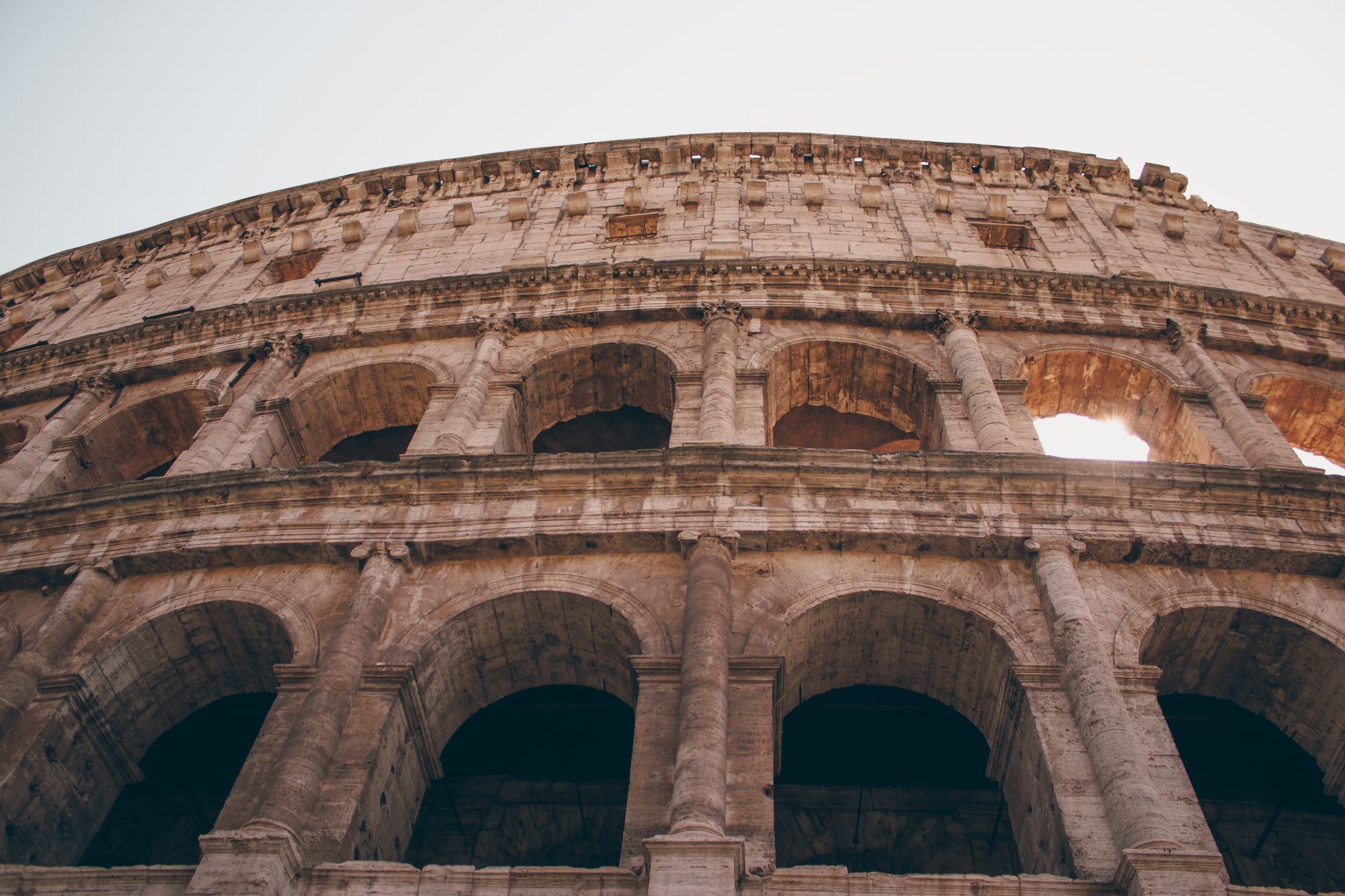
No visit to Rome is complete without exploring the Colosseum, the iconic amphitheater that hosted gladiatorial contests and public spectacles. This architectural marvel can be a busy spot, so consider booking a skip-the-line ticket to avoid long waiting times.
The Vatican Museums
A treasure trove of art and history, the Vatican Museums house works by masters like Michelangelo and Raphael. Don’t miss the Sistine Chapel, where Michelangelo’s famous ceiling painting captures the imagination of visitors. Again, pre-booking tickets is highly recommended.
The Pantheon
This ancient Roman temple, now a church, is known for its magnificent dome and oculus. The Pantheon is remarkably well-preserved and is free to enter, making it a must-visit site.
Trevi Fountain
A visit to Rome wouldn’t be complete without tossing a coin into the Trevi Fountain. Legend has it that doing so ensures a return trip to the Eternal City. The fountain’s stunning baroque architecture creates a memorable sight, especially in the evening when illuminated.
Roman Forum
The heart of ancient Rome, the Roman Forum was the center of political, social, and economic life. Visitors can stroll through the ruins and imagine how life was during the Roman Empire. Guided tours will enhance understanding of the site’s significance.
Spanish Steps
This monumental stairway of 135 steps is a popular gathering spot and offers a beautiful view of the city’s rooftops. The surrounding area is ideal for shopping, dining, and relaxing.
Campo de’ Fiori
This vibrant square features a daily market selling fresh produce, local delicacies, and baked goods. It’s an excellent place for a morning stroll, and the nearby cafes provide ideal spots to enjoy a coffee outdoors.
A Practical Suggested Itinerary
For first-time visitors, a three to five-day trip is ideal for experiencing the essential sights of Rome while enjoying its rich culture and cuisine.
Day 1: Ancient Rome
- Start your day at the Colosseum.
- Explore the Roman Forum and Palatine Hill.
- Enjoy lunch in the Monti neighborhood.
- In the evening, visit the Pantheon and end at the Trevi Fountain.
Day 2: Vatican City
- Begin with a visit to the Vatican Museums.
- Admire the Sistine Chapel.
- Visit St. Peter’s Basilica.
- Take time to relax at St. Peter’s Square and enjoy a gelato.
Day 3: Rome’s Neighborhoods
- Spend the morning in Trastevere, visiting the Santa Maria in Trastevere church.
- Explore the lively streets and markets.
- Head to the Centro Storico to discover Piazza Navona and its fountains.
- End the day with dinner at a local trattoria.
Day 4 (Optional): Day Trip
If you have additional time, consider taking a day trip to nearby attractions like:
- Ostia Antica: These ancient Roman ruins are located just outside of Rome.
- Florence: A high-speed train can take you to this stunning Tuscan city in about 1.5 hours.
When to Visit Rome
Rome experiences a Mediterranean climate. Understanding the seasonal patterns can help travelers decide the best time for their trip.
Spring (March to May)
Spring is one of the most popular times to visit Rome. With mild weather and blooming flowers, this season sees many tourists. However, popular sites can be crowded, so early bookings are advisable.
Summer (June to August)
Summer is the high tourist season. Expect hot temperatures, especially in July and August. Crowds surge at major attractions, and travelers should be prepared for long lines.
Autumn (September to November)
Fall is another ideal time to visit Rome. The weather is pleasant, making it perfect for exploring the city. Additionally, crowds begin to thin out after the summer rush.
Winter (December to February)
Winter is considered the low season for tourism. While the temperature is cooler, visitors can enjoy fewer crowds at popular spots and lower hotel rates, making it an appealing time for budget-conscious travelers.
Accommodation in Rome
Choosing the right place to stay can greatly enhance your visit. Here’s a breakdown of accommodation options based on different needs:
Luxury Hotels
For those seeking luxury, several five-star hotels offer magnificent amenities and prime locations, especially near the historic center. Examples include hotels with rooftop terraces or exquisite dining options, ensuring a stylish stay.
Mid-Range Hotels
Many mid-range hotels provide comfortable lodging without breaking the bank. These options are generally found in neighborhoods like Trastevere and Monti, offering good access to public transport and local attractions.
Budget Options
For budget travelers, hostels and guesthouses can be found throughout Rome. Irrespective of the low price, many still maintain an atmosphere of charm and comfort.
Local Cuisine to Experience
Rome’s culinary scene is delicious and diverse. Be sure to sample local dishes during your stay:
- Carbonara: A pasta dish with eggs, cheese, pork, and pepper.
- Pizza al Taglio: Roman-style pizza sold by the slice.
- Supplì: Fried rice balls filled with cheese, a popular street food.
- Artichokes: Prepared in various ways, especially during the spring season.
Visitor Tips
Here are practical tips for making the most of your visit to Rome:
- Purchase attraction tickets online to save time.
- Learn basic Italian phrases, as locals appreciate the effort.
- Dress modestly when visiting religious sites, such as the Vatican.
- Be mindful of your belongings, as crowded areas can attract pickpockets.
Conclusion
With its rich history, vibrant culture, and renowned cuisine, Rome presents an unforgettable adventure for travelers. To make the most of your visit, prioritize your must-see attractions and consider the best time for your trip. Start planning your Roman adventure now!
Explore more about Rome by checking out these guides: Where Is Rome and What Is the Colosseum.