
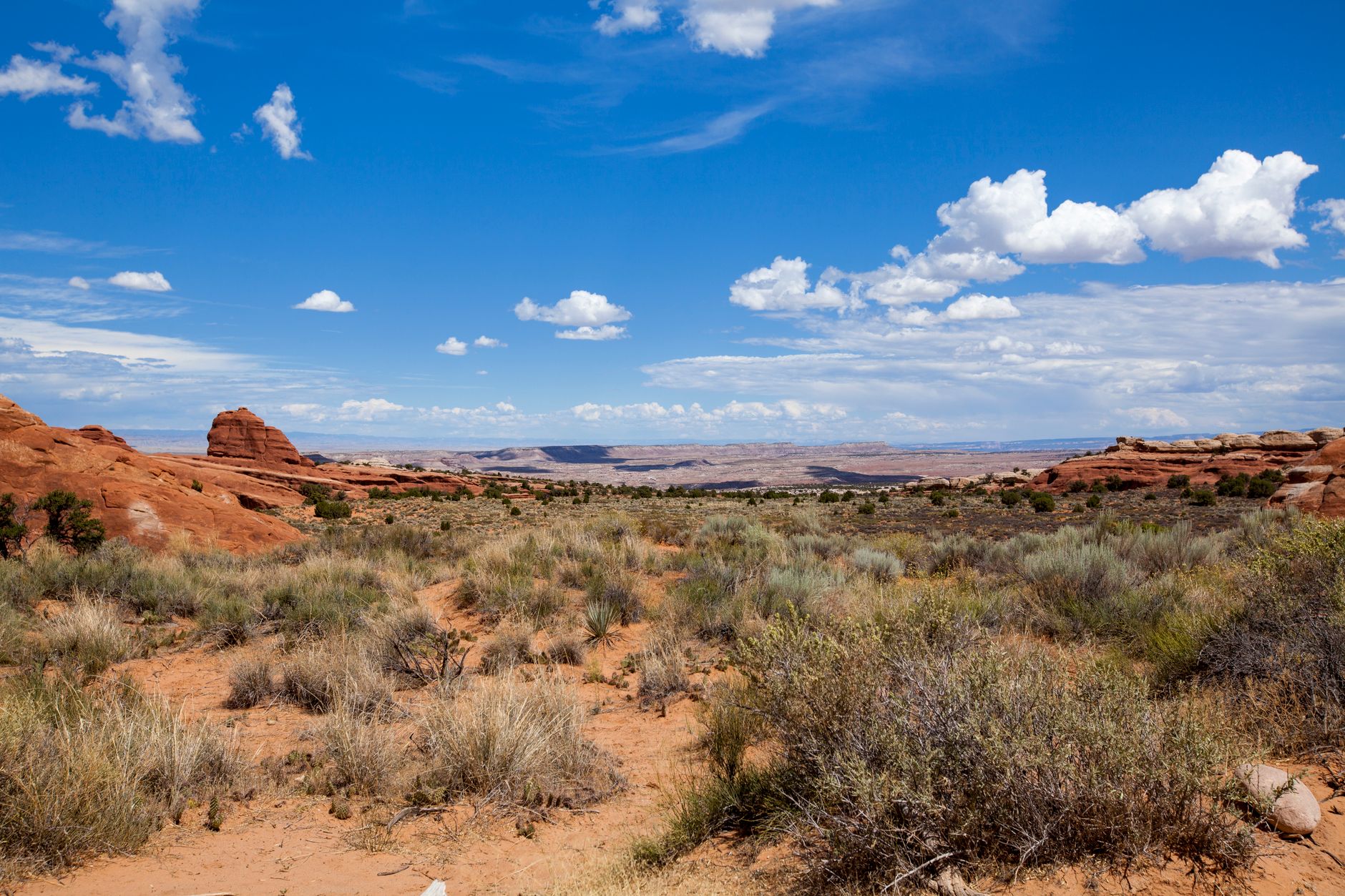
Utah, a state in the western United States, is renowned for its stunning landscapes, vibrant culture, and unique culinary experiences. As a destination, it offers a diverse range of outdoor adventures, historical sites, and culinary delights that attract travelers from around the globe. This comprehensive guide will explore what makes Utah distinctive, from its breathtaking national parks to its rich cultural fabric.
Whether you’re an outdoor enthusiast, a history buff, or a food lover, Utah has something special to offer. In this article, we will delve into the iconic sights, local food, and cultural experiences that define this beautiful state.
What Is Utah Known For?
Utah is primarily known for its stunning national parks, such as Zion and Arches, along with a rich cultural heritage shaped by the Mormon pioneers. The state is also famous for its unique settler history, outdoor activities, and distinctive local cuisine, making it an exciting destination for various types of travelers.
Stunning National Parks and Natural Wonders
One of the most compelling reasons to visit Utah is its incredible array of national parks, often referred to as the “Mighty 5.” Each park showcases unique geological formations and stunning landscapes.
- Zion National Park: Famous for its towering sandstone cliffs, canyoneering, and dramatic landscapes, visitors can explore The Narrows or hike the challenging Angel’s Landing trail.
- Arches National Park: Known for its more than 2,000 natural stone arches, this park offers scenic drives and numerous hiking trails, including the popular Delicate Arch trail.
- Bryce Canyon National Park: Unique for its hoodoo rock formations and stunning sunrise and sunset views, visitors should not miss the views from Bryce Point or Sunset Point.
- Canyonlands National Park: A spectacular landscape of canyons and mesas ideal for hiking, biking, and off-roading enthusiasts, with Island in the Sky being a well-known viewpoint.
- Capitol Reef National Park: A hidden gem featuring unique rock formations, canyons, and a historic fruit orchard, Capitol Reef is perfect for those looking for fewer crowds.
Cultural Heritage
Utah’s heritage, particularly its connection to the Church of Jesus Christ of Latter-day Saints (LDS Church), plays a significant role in its culture and history. Salt Lake City, the state capital, is home to the impressive Salt Lake Temple and the expansive Temple Square, which attracts millions of visitors each year.
Mormon Pioneer History
The history of the Mormon pioneers is integral to Utah’s identity. In 1847, Brigham Young led a group of Mormons to the Salt Lake Valley, seeking a place where they could practice their faith freely. Today, visitors can explore historic sites like:
- Heritage Park: This park features buildings and artifacts from early settlement days and offers guided tours reflecting the early pioneers’ experiences.
- Park City: Originally a silver mining town, Park City is now a vibrant resort town that honors its mining heritage while offering outdoor adventure and cultural attractions.
- The Church History Museum: Located in Salt Lake City, this museum provides insight into the history of the LDS Church, featuring exhibits and artifacts related to early settlers.
Native American Heritage
Utah is also home to several Native American tribes, including the Navajo, Ute, and Paiute. Their history and culture significantly influence the state’s heritage. Visitors can learn more about this aspect of Utah’s culture at:
- Monument Valley: This iconic landscape is significant to Navajo culture and offers guided tours led by tribe members.
- Glen Canyon National Recreation Area: A stunning area where the Navajo Nation offers visitors a chance to explore its lands, culture, and history.
- Natural History Museum of Utah: This museum offers exhibits and programming dedicated to Utah’s Native American tribes and their contributions to the area.
Outdoor Activities & Adventures
Adventure seekers will find plenty of options in Utah. The diverse terrain offers activities for every skill level and interest.
Hiking and Camping
Utah is a hiker’s paradise. With miles of trails across its national parks and recreational areas, there’s no shortage of beautiful paths to explore. Popular hikes include:
- The West Rim Trail in Zion National Park
- The Fiery Furnace in Arches National Park (permits required)
- Queen’s Garden Trail in Bryce Canyon
Camping is also widely available, with numerous campgrounds within and around the national parks. Make sure to pack essential gear and check for any reservation requirements.
Skiing and Snowboarding
In winter, Utah is renowned for its skiing. The state receives some of the best powder snow in the world. Notable ski resorts include:
- Park City Mountain Resort: The largest ski area in the United States, it offers terrain for all skill levels.
- Deer Valley Resort: An upscale ski resort known for its groomed runs and luxurious amenities.
- Sundance Mountain Resort: Founded by Robert Redford, it blends outdoor adventure with a strong emphasis on sustainability and culture.
River Sports
Those who enjoy water sports can take advantage of Utah’s rivers, perfect for white-water rafting and kayaking. The Green River and Colorado River provide thrilling adventures amidst breathtaking scenery. Visitors can arrange guided tours for safety and convenience.
Local Cuisine
Utah’s culinary scene reflects its unique cultural heritage, offering a blend of traditional dishes and modern interpretations. Visitors should be sure to explore the local food culture, which is heavily influenced by both pioneer and Native American traditions.
Signature Dishes
Many local dishes are worth trying during your visit:
- Fry Sauce: A unique condiment made from ketchup and mayonnaise, commonly served with French fries and other fried foods.
- Funeral Potatoes: A cheesy potato casserole that is often served at gatherings and events, particularly after funerals.
- Pastry Treats: Traditional pastries like scones and cinnamon rolls are prevalent in local bakeries and are often enjoyed with a cup of coffee at breakfast.
Farmers’ Markets and Local Produce
Utah’s farmers’ markets showcase the region’s rich agricultural heritage, allowing visitors to taste fresh produce and artisanal products. Major cities like Salt Lake City and Provo host regular markets where local farmers and artisans sell their goods.
Take advantage of seasonal fruit harvests and locally produced artisanal goods, which vary depending on the time of year.
Beer and Wine
Utah’s brewing and winemaking scenes have gained popularity in recent years. While the state has unique alcohol laws, a thriving craft beer scene has emerged, with breweries offering a diverse range of styles and flavors. Notable breweries include:
- Epic Brewing Company: Known for its inventive and flavorful craft beers.
- Squatters Craft Beers: One of the state’s oldest breweries, offering a variety of local brews.
In addition, several local wineries produce quality wines that are increasingly available and celebrated.
Festivals and Events
Utah hosts a variety of cultural and seasonal festivals throughout the year that reflect its diverse heritage and modern culture. Notable festivals include:
- Sundance Film Festival: Held annually in January, this world-renowned film festival celebrates independent filmmakers and attracts filmmakers and movie buffs from around the globe.
- Utah Arts Festival: A summer festival showcasing local artists, musicians, and performers, offering a range of experiences including art, music, and food.
- Park City Wine Festival: A popular event celebrating the region’s wine, featuring tastings, food pairings, and educational experiences.
Transportation and Getting Around
When visiting Utah, understanding the transportation options available can enhance your experience.
Arrival Options
Most visitors arrive via Salt Lake City International Airport, the primary airport serving the state. Rental cars are readily available, and major highways connect the city to destinations across Utah.
Getting Around
While renting a car is recommended for exploring the national parks and surrounding areas, public transit options are available in larger cities like Salt Lake City. The Utah Transit Authority operates buses and a light-rail system, making it easy to navigate urban areas.
Buckling Up: Budget Considerations
Understanding the costs associated with traveling in Utah can help you plan a realistic itinerary. The following factors can influence your budget:
- Accommodations: Prices vary widely based on location and amenities. Consider camping for budget travelers, while hotels can range from budget to luxury.
- Entrance Fees: Many national parks charge entrance fees; consider obtaining an America the Beautiful pass if visiting multiple parks.
- Food Costs: Dining options vary; local eateries and food trucks provide budget-friendly choices, while upscale restaurants can be pricier.
- Outdoor Activities: Costs for guided tours and excursions may vary; opt for self-guided outings to save on expenses.
Planning Your Visit
When planning your trip to Utah, consider the following tips:
- Research the best seasons to visit national parks, as weather conditions and crowd levels can vary significantly.
- Book accommodations in advance, especially during peak seasons, to ensure availability.
- Check for park reservation requirements and any seasonal closures.
- Pack suitable gear and clothing based on the activities you plan to pursue and the weather conditions during your visit.
Final Thoughts
Utah is a state rich in natural beauty, cultural heritage, and culinary delights. Whether you’re hiking in breathtaking national parks, exploring unique local cuisines, or immersing yourself in the state’s history, there’s something for every traveler.
For your next adventure, consider Utah as a destination where landscapes meet culture, and every corner tells a story. To enhance your travel plans, check out the related information on Utah’s highlights.