
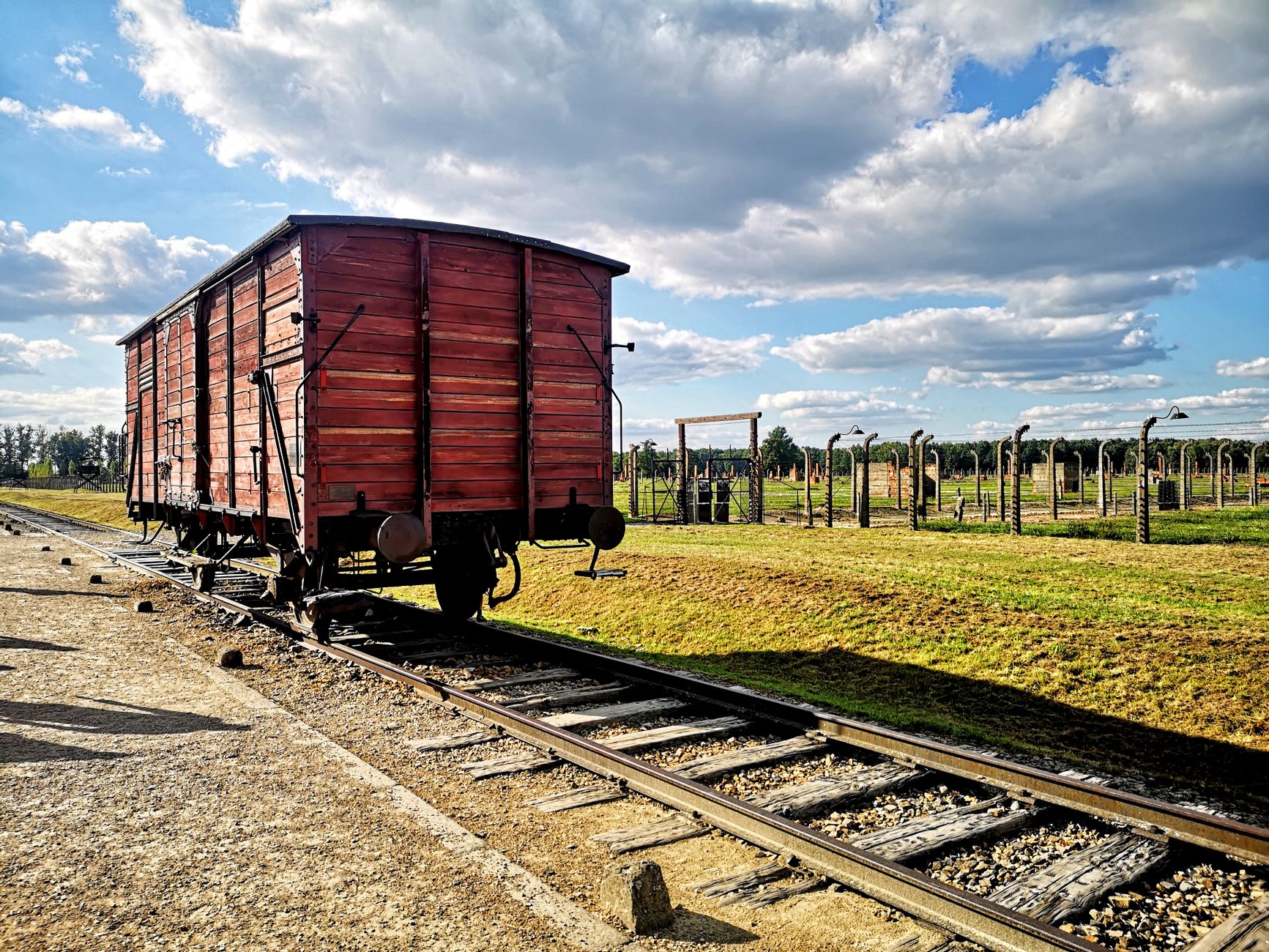
Auschwitz, a name that evokes deep emotions and historical significance, is located in southern Poland. Known primarily for its role during World War II as a Nazi concentration and extermination camp, it’s important to understand not only where Auschwitz is, but also its profound impact on history and human compassion.
Visiting Auschwitz provides a sobering opportunity to reflect on the past and honor the memories of those who suffered. This guide will help you navigate the location, memorials, history, and practical details necessary for planning your visit to this significant site.
Where Is Auschwitz?
Auschwitz is situated approximately 70 kilometers (43 miles) west of Kraków, Poland. The main camp, known as Auschwitz I, is located in the town of Oświęcim. The two other camps, Auschwitz II-Birkenau and Auschwitz III-Monowitz, are nearby. They collectively served as the largest extermination center during the Holocaust.
Getting to Auschwitz
Traveling to Auschwitz is straightforward, whether you are coming from Kraków or other nearby cities. Here are your main options:
- By Car: If you’re driving, take the A4 motorway towards Katowice and then take the exit for Oświęcim. Parking is available at the museum complex, but be sure to arrive early as it can fill up quickly.
- By Train: Trains run regularly from Kraków to Oświęcim. The journey takes about 1.5 hours. From the Oświęcim train station, it’s about a 15-20 minute walk to the memorial.
- By Bus: Buses from Kraków to Oświęcim run frequently. This is often a more economical option and takes about 1.5 hours. The bus station is close to the museum.
- Guided Tours: Many tour companies offer guided trips from Kraków, which typically include transportation, a tour of the camps, and occasionally lunch. This option can provide insightful context for your visit.
What to Expect Upon Arrival
When you arrive at the Auschwitz memorial, be prepared for a significant emotional experience. Visitors are welcomed into the complex, which includes several buildings, exhibitions, and memorials.
- Opening Hours: Auschwitz I and Auschwitz II-Birkenau maintain different schedules. May to September: 9 AM to 7 PM, and October to April: 9 AM to 3 PM.
- Tickets: Entry to the memorial is free, but you need a reservation for guided tours. Tours can be booked online through the official Auschwitz-Birkenau Museum website.
- Guided Tours: Guided tours are highly recommended. They typically last about three hours and provide crucial context to the exhibits.
Exploring Auschwitz Memorial and Museum
The Auschwitz memorial consists primarily of two main camps—Auschwitz I and Auschwitz II-Birkenau—each with its own focus and exhibits.
Auschwitz I
Auschwitz I was established in 1940 and initially served as a political prison. Today, it houses exhibitions that explore the Holocaust’s history, the Nazi machine’s operation, and the lives of the victims.
- Main Exhibitions: These include photographs, personal artifacts, and testimonies of survivors, providing visitors a personal perspective on the horrors endured.
- Block 11: Known as the “Death Block,” this building exhibits the brutal treatment of prisoners, including forced labor and medical experiments.
- The Execution Wall: A somber outdoor area where many prisoners were executed, offering a poignant reminder of the atrocities committed.
Auschwitz II-Birkenau
This part of the complex is significantly larger and was primarily designed as an extermination camp. It’s designed to give visitors insight into the scale of the Holocaust.
- Train Tracks: The train tracks leading into Birkenau serve as an emblematic representation of the transport of millions of individuals to their doom.
- Gas Chambers and Crematoria: The remnants of these buildings stand in stark testimony to the systematic extermination that took place.
- Memorial Site: Birkenau also features a memorial, including a monument consisting of stones from various countries, paying tribute to the victims.
Understanding the History of Auschwitz
Auschwitz was initially established by the Nazis in 1940 to detain Polish political prisoners. Over time, it evolved into a complex of camps that would witness unimaginable horrors.
- Holocaust Significance: The Auschwitz complex is symbolic of the Holocaust, a genocide that saw the deaths of approximately 1.1 million people, predominantly Jews, alongside Roma, Poles, and Soviet prisoners of war.
- Post-War Recognition: After the war, Auschwitz was liberated on January 27, 1945, by the Soviet Red Army. That date is now commemorated as International Holocaust Remembrance Day.
- Preservation Efforts: Recognizing the historical importance, the site was transformed into a museum and memorial in 1947, with ongoing efforts to educate future generations about the Holocaust.
Planning Your Visit
When planning a visit to Auschwitz, there are several practical considerations to ensure a meaningful experience.
Time Required
Allocate at least half a day to explore both Auschwitz I and Auschwitz II-Birkenau. Many visitors spend about 3-4 hours, especially on a guided tour, but personal reflection time may extend your visit.
What to Bring
- Water and Snacks: While food options on-site are limited, it’s essential to stay hydrated and carry a snack for energy, if needed.
- Cameras: Photography is allowed in most areas, but be respectful. Some spots may evoke particularly sensitive emotions.
- Comfortable Footwear: Expect to walk extensively on uneven terrain. Wear comfortable shoes for the tour.
- Layered Clothing: The temperature can vary considerably, so dress in layers to adapt to changing weather.
Visitor Etiquette
Respectful behavior is crucial while visiting Auschwitz. Remember, this site is a place of mourning and reflection.
- Stay quiet during your visit and when inside buildings.
- Refrain from eating or drinking in sensitive areas.
- Follow any guidance provided by museum staff.
Nearby Attractions
If you have extra time, consider exploring nearby sites that complement the experience of visiting Auschwitz.
- Oświęcim Town: This town offers a more profound understanding of the locals’ experiences during the war and the reconsolidation efforts after.
- Jewish Museum and Synagogue: The local Jewish museum gives insight into the rich history of Polish Jews before the war.
- Kraków: A short trip back to Kraków offers a range of attractions, including Wawel Castle and the historic Jewish Quarter in Kazimierz.
Where to Stay
When visiting Auschwitz, consider accommodations in Oświęcim or nearby Kraków, each offering a variety of options to suit different travel needs.
Oświęcim
- Guesthouses and Hotels: Oświęcim offers guesthouses, including family-run establishments that provide a cozy atmosphere.
- Proximity to Auschwitz: Staying in Oświęcim allows for a brief walk to the camps, making it convenient for early visits.
Kraków
- Various Accommodations: From budget hostels to luxury hotels, Kraków has options for every traveler.
- Cultural Experiences: Staying in Kraków enables you to explore a vibrant city rich in history, culture, and gastronomy.
What to Eat in the Region
When visiting Poland, take the opportunity to savor local cuisine.
- Pierogi: These dumplings are a staple of Polish cuisine and come with various fillings, typically including potatoes, cheese, or meat.
- Bigos: Also known as “hunter’s stew,” this dish combines sauerkraut, various meats, and spices for a hearty meal.
- Żurek: A sour rye soup often served with sausage and hard-boiled eggs, ideal for easing the chill if visiting during the colder months.
Visiting Auschwitz in Different Seasons
The experience of visiting Auschwitz can vary with the seasons, impacting everything from crowd levels to weather.
Spring and Autumn
These seasons tend to be the most favorable, offering moderate weather and beautiful scenery. Expect some crowds, especially during school holidays.
Summer
Summer can see high tourist traffic. While the weather is warm, be prepared for large groups and possible long waits, especially for guided tours. Arrive early to avoid the heat of midday.
Winter
Winter visits can be cold and quiet. While fewer tourists visit, snow can add a haunting beauty to the landscape. Dress warmly and be prepared for difficult walking conditions.
Reflection and Importance of Auschwitz Today
Auschwitz stands as an essential reminder of the consequences of hatred and intolerance. Visiting is not just about understanding history but also reflecting on humanity and the importance of safeguarding against future atrocities.
For many, visiting Auschwitz deeply resonates and solidifies a personal devotion to remembering the past and advocating for peace and tolerance in today’s world.
As you plan your visit, be mindful of the history and the significance of your presence at this solemn site. Auschwitz invites you to learn, reflect, and honor the memories of those who suffered, ensuring that such events never repeat themselves.
For further resources and guides on Poland, consider exploring Where Is Auschwitz? and uncover more recommendations in Things to Do in Warsaw, Poland.