
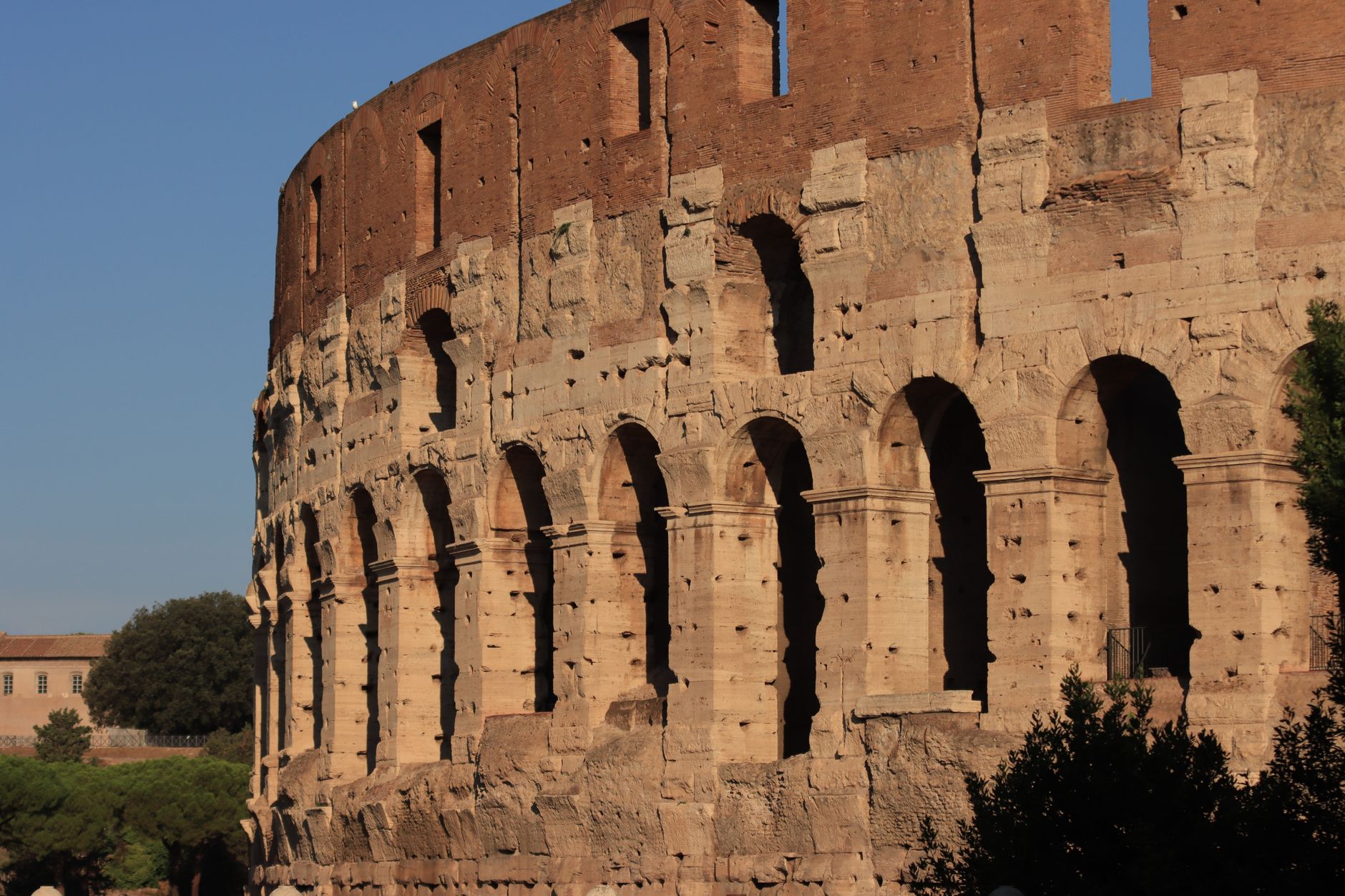
The Colosseum, a monumental symbol of Ancient Rome, has captivated visitors for centuries. Its grandeur and historical significance make it a must-visit when exploring the Eternal City. But what was the Colosseum used for? Understanding its primary functions sheds light on Roman society and culture.
This article dives into the historical uses of the Colosseum, focusing on its role in entertainment, politics, and the societal structures of Ancient Rome. Whether you are a history buff, an architecture enthusiast, or simply a curious traveler, knowing the Colosseum’s past can enrich your visit.
What Was the Colosseum Used For?
The Colosseum was primarily used for gladiatorial contests and public spectacles, including animal hunts, mock sea battles, and executions. These events served not only as entertainment but also as a means for emperors to demonstrate their power and connect with the populace. The seating arrangements and engineering marvels of the Colosseum contributed to its role as a central hub of public life in Rome.
Historical Context of the Colosseum
Understanding the Colosseum’s uses begins with its historical context. Constructed between 70-80 AD under the Flavian emperors, its purpose evolved as Rome itself changed. Originally, it was designed as a venue for public spectacles that reinforced the social hierarchy.
The Colosseum was built on the site of Emperor Nero’s extravagant Golden House, symbolizing a return to public land. This location choice was politically significant, indicating a shift from the decadent excesses of Nero to a more people-oriented infrastructure.
The Construction of the Colosseum
Built over a decade, the Colosseum could hold between 50,000 to 80,000 spectators. Its construction involved innovative engineering techniques, employing materials such as travertine stone, tuff, and brick. The elliptical design allowed for excellent sightlines and crowd management. Its arena measured 83 by 48 meters (272 by 157 feet), striking a perfect balance between size and functionality.
Public Events Hosted in the Colosseum
The Colosseum was a vibrant venue for a range of public events, all intended to entertain and engage the citizens of Rome. Here are the primary types of events held at the Colosseum:
- Gladiatorial Games: Perhaps the most famous use of the Colosseum, gladiatorial contests featured armed combatants, often slaves or prisoners of war, who fought to the death for the entertainment of the crowds.
- Venationes (Beast Hunts): These events showcased hunting skills and involved exotic animals such as lions, tigers, and elephants, often imported from distant lands.
- Executions: Public executions were often carried out in the arena, where condemned criminals faced wild animals or other gruesome fates.
- Mock Naval Battles: In some cases, the arena could be flooded to reenact naval battles, known as naumachiae, creating a unique spectacle for the audience.
- Theatrical Performances: Occasionally, the Colosseum also hosted stage plays based on mythology or history, weaving a rich tapestry of culture and drama.
Gladiatorial Games: The Heart of Entertainment
Gladiatorial games were undoubtedly the pinnacle of entertainment at the Colosseum. These battles not only drew large crowds but also acted as a means for social commentary. Gladiators often became celebrities, and their successes influenced Roman popular culture. However, these events were brutal and bloody, capturing the Roman ethos of glory and tragedy.
Venationes: The Thrill of the Chase
Venationes represented a different kind of spectacle, where trained hunters faced off against wild animals. This dramatic contrast between man and beast captivated audiences. Rome’s vast empire allowed access to a variety of creatures, which added an exotic flair to these events and reinforced Roman superiority over conquered territories.
The Role of Executions
Executions served a dual purpose: they were a method of punishment and a means to entertain the masses. High-profile criminals would be subjected to gruesome fates in the arena, fostering a spectacle of fear that served to deter potential offenses in society. The clarity of justice on display reinforced the Romans’ perceptions of law and order.
Mock naval battles were a rare and extraordinary form of entertainment. Flooded arenas provided a dramatic setting that showcased the engineering marvels of the Colosseum. Theatrical performances only occasionally took place but added to the cultural fabric of the events, allowing the audience to witness stories both heroic and tragic.
The Political Dimension of the Colosseum
Beyond entertainment, the Colosseum played a crucial role in Roman politics. Emperors used the arena to gain favor among the people, distributing free grain and hosting lavish games. This connection between politics and entertainment was a key tool for maintaining public order and displaying imperial power.
Roles of the Colosseum in political dynamics included:
- Plebian Engagement: By offering free spectacles, emperors engaged the urban populace, fostering loyalty and dissuading dissent.
- Imperial Image: The scale and grandeur of the Colosseum solidified the emperor’s stature, reflecting Rome’s dominance.
- Propaganda: The games often reiterated the virtues of strength and bravery, reinforcing societal ideals aligned with the emperor’s values.
The Connection to Social Class
Events at the Colosseum also reflected the complexities of Roman social structure. Seating arrangements were class-determined, with the elite enjoying the best views, while commoners were relegated to less desirable sections. This hierarchical seating symbolism reinforced societal divisions, reflecting the larger societal fabric of Rome.
The Decline of the Colosseum
As the Roman Empire declined, so too did the use of the Colosseum. Events became less frequent, and the arena fell into disrepair. Factors contributing to this decline included:
- Economic Strain: The cost of hosting large public spectacles became untenable as the empire faced economic challenges.
- Shift in Public Interest: As Christianity rose to prominence, the moral implications of gladiatorial combat came under religious scrutiny.
- Natural Disasters: Earthquakes in the 5th and 14th centuries caused structural damage, leading to further disuse of the arena.
Visiting the Colosseum Today
Exploring the Colosseum is a fundamental part of any trip to Rome. Understanding its rich history will undoubtedly enhance your experience. Here are some tips for making the most out of your visit:
Planning Your Visit
To fully appreciate the Colosseum, consider the following aspects of your visit:
- Tickets: Booking tickets in advance is crucial to avoid long queues. Various types of tickets are available, including guided tours and combined tickets that include access to the Roman Forum and Palatine Hill.
- Timing: Early mornings or late afternoons are typically less crowded, providing a more leisurely experience. Visiting during the off-peak season can also help you avoid tourist crowds.
- Guided Tours: Opting for a guided tour can provide expert insights into the history and architecture of the Colosseum, enhancing your understanding of its significance.
What to See Inside the Colosseum
Inside, the Colosseum is an awe-inspiring monument. Don’t miss:
- The Arena Floor: If available, standing where gladiators once fought offers a poignant perspective on the venue’s history.
- Underground Chambers: Access to the hypogeum, which housed animals and gladiators before battles, reveals the inner workings of the Colosseum.
- The Upper Levels: From the upper tiers, enjoy panoramic views of the surrounding Roman Forum and the city of Rome.
Logistics of Getting to the Colosseum
Getting to the Colosseum is straightforward due to its central location in Rome. Here are some transport options:
- Public Transport: The Colosseum is accessible via metro (Line B, Colosseo stop) and several bus lines. Public transport is efficient and the best option to avoid city traffic.
- Walking: If you’re staying near the historic center, consider walking to the Colosseum. The surrounding architecture and atmosphere enhance the experience.
- Taxis and Ride Shares: While generally more expensive, taxis and rideshare services can be convenient for travelers with mobility issues or who prefer direct transport.
Accommodation Recommendations
Choosing the right area to stay can significantly impact your trip experience. Here are some neighborhoods that offer easy access to the Colosseum:
- Monti: This charming district lies directly next to the Colosseum, providing a variety of accommodations along with local shops and restaurants.
- Centro Storico: This central area is within walking distance of many major attractions, including the Colosseum, but can be more expensive.
- Testaccio: Known for its authentic Roman vibe, Testaccio offers plenty of budget-friendly accommodations and an immersive local experience.
Tips for a Practical Visit
Here are some essential tips for your visit to the Colosseum to ensure a smooth experience:
- Dress Comfortably: Wear comfortable shoes as you will be walking on uneven surfaces and may have to navigate stairs.
- Stay Hydrated: Bring water, especially during the warmer months, as you will likely be spending several hours in the area.
- Respect the Site: Remember that this is a historical monument. Be mindful of noise levels and follow any posted guidelines.
- Take Your Time: Allow time to explore the surrounding areas, including the Roman Forum and Palatine Hill, which provide a broader context for your visit.
Seasonal Considerations for Visiting the Colosseum
Timing your visit can significantly impact your experience; different seasons offer various advantages and disadvantages:
- Spring (April-May): Ideal weather with moderate temperatures and blooming surroundings. Expect larger crowds during Easter.
- Summer (June-August): Warm to hot temperatures. This is peak tourist season, thus it’s often crowded. Be prepared for long wait times.
- Fall (September-November): Pleasant weather and fewer crowds make this season an excellent choice. Fall festivals may also enhance your experience.
- Winter (December-March): Cold and rainy, but the Colosseum is less crowded. Holiday decorations in the city create a unique atmosphere.
Conclusion
The Colosseum stands not only as an architectural marvel but as a representation of the complex social and political fabric of Ancient Rome. Its historical uses, from gladiatorial games to public executions, offer invaluable insights into Roman culture and societal values. Visiting this iconic structure is a must for anyone exploring Rome.
As you plan your visit to the Colosseum, consider checking out other resources on related topics such as What Was the Colosseum Used For and When Was the Colosseum Built. For a rich, immersive experience in Rome, understanding the history and purpose of the Colosseum enhances not only your visit but your appreciation for this timeless city.