
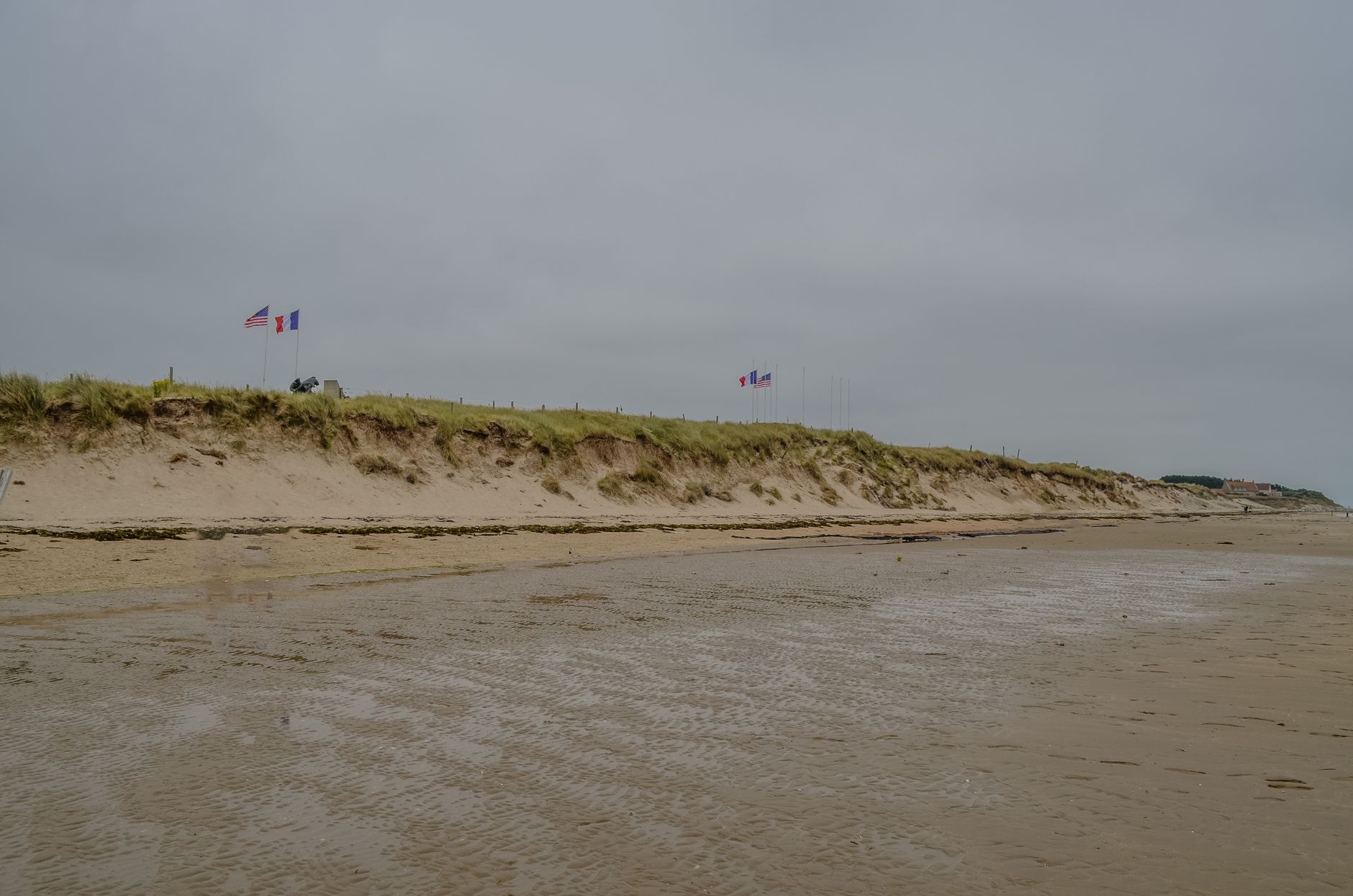
D-Day, June 6, 1944, is a pivotal moment in history, marking the start of the Allied invasion of Nazi-occupied Europe during World War II. This significant event took place on the beaches of Normandy, France. For travelers interested in this vital chapter of history, visiting the Normandy beaches offers a profound opportunity to reflect on the past while enjoying the beautiful coastal landscapes of northern France.
This article will guide you through the locations critical to the D-Day landings, the historical significance of each site, and practical tips for your visit, including transport options, accommodations, and nearby attractions. With so much to see and understand, you can thoughtfully plan your trip to this historic region.
Where Was D-Day?
D-Day was centered around the Normandy beaches situated along the northern coast of France. The five primary landing sites—Utah, Omaha, Gold, Juno, and Sword beaches—play a crucial role in understanding the scale and impact of the invasion, with each bearing witness to the bravery and sacrifices of countless soldiers.
The Five Landing Beaches
Each of the five beaches represented a different Allied sector and had its unique challenges and landmark events. Below is an overview of each beach:
- Utah Beach: Located on the western flank, Utah Beach was aimed at enabling the capture of the Carentan marshes. It saw relatively light resistance and is noted for the successful landings.
- Omaha Beach: Perhaps the most infamous, Omaha faced brutal German defenses, resulting in significant Allied casualties. The narrative of courage in overcoming overwhelming odds is significant here.
- Gold Beach: This beach was primarily taken by British forces. Successful in their landings, they faced fierce battles to secure the town of Bayeux.
- Juno Beach: Tasked to Canadian forces, Juno Beach’s landing was also met with resistance, but they fought through to link up with the British forces at Gold Beach.
- Sword Beach: This was the easternmost landing site where the British sought to capture the city of Caen. The beach presented severe challenges, making the push inland complex.
Understanding the Historical Impact of D-Day
D-Day was the largest seaborne invasion in history, setting the stage for the liberation of Western Europe from Nazi occupation. Approximately 156,000 Allied troops landed on the beaches of Normandy. The operation involved extensive planning and coordination among various Allied forces, including American, British, Canadian, and free French troops.
The successful landings led to the establishment of a foothold in Europe, paving the way for further operations that ultimately culminated in the liberation of France and the defeat of Nazi Germany. Understanding this context can enrich your experience when visiting the sites.
Planning Your Visit to Normandy
Traveling to Normandy to explore the beaches of D-Day is both an educational and emotional experience. Here’s how to make the most of your visit:
Recommended Trip Length
While a single day can allow you to explore the beaches, a trip of 2-3 days is ideal. This gives you time to delve into the history at museums, memorials, and cemeteries, as well as enjoying the local culture and cuisine.
Getting to Normandy
Normandy is easily accessible from Paris, making it a convenient weekend or week-long getaway. Here are your transport options:
- By Train: The most efficient way to travel is taking a train from Paris to Bayeux, which takes around 2-3 hours. From Bayeux, you can easily rent a car or join guided tours.
- By Car: Renting a car provides flexibility and allows for exploration of the rural areas. The drive from Paris to the heart of Normandy takes approximately 3-4 hours.
- By Bus: Various bus services operate from Paris to Normandy, offering another budget-friendly option.
Getting Around Normandy
Once in Normandy, getting around can be achieved through multiple means:
- Renting a Car: If you prefer flexibility, consider renting a car to explore the beaches and surrounding areas.
- Guided Tours: Many companies offer guided tours that take you to significant historical sites, ensuring you do not miss essential attractions.
- Public Transport: While buses are available, they may not be as frequent; check local schedules for details.
Key Attractions in Normandy Beyond the Beaches
While the beaches are significant, other historical sites enrich your understanding of D-Day and its context:
1. Normandy American Cemetery and Memorial
Located at Omaha Beach, this cemetery is the final resting place for over 9,000 American military dead who lost their lives during World War II. The site includes a well-maintained visitor center offering detailed historical contexts through exhibits, photographs, and multimedia presentations.
2. Pegasus Bridge
Near Ouistreham, Pegasus Bridge is where British paratroopers landed in the early hours of D-Day to secure crucial access points. The historic bridge is now home to a museum that provides further insight into the airborne operations.
3. Utah Beach Museum
This museum is dedicated to the events surrounding the landing at Utah Beach, featuring extensive exhibitions that highlight the bravery of the soldiers who landed there. It also features artifacts, photographs, and a unique 1:1 scale diorama of the beach area.
4. Arromanches 360 Circular Cinema
The Arromanches 360 offers an immersive experience with a film that tells the story of the D-Day landings in a circular format, providing various perspectives. It is an excellent way to visualize the scale and coordination involved in the landings.
5. The Caen Memorial Museum
This museum is a must-visit for comprehensive insight into the World War II events leading up to D-Day. It tackles not only military history but also cultural impacts, offering an informed perspective.
Accommodation Options in Normandy
Depending on your budget and preferences, Normandy offers a variety of accommodation options:
Where to Stay
- Bayeux: A good base for accessing various sites; offers a range of hotels from budget-friendly to mid-range, including quaint bed and breakfasts.
- Port-en-Bessin: Located near Omaha Beach, this charming fishing port has several hotels and seafood restaurants, perfect for those wanting to stay close to the coast.
- Arromanches: A small town close to Gold Beach, it offers several hotels and guest houses, ideally situated for visits to the historical sites.
Dining in Normandy: Food Experience
Dining in Normandy provides a delightful experience for travelers, combining local ingredients and traditional recipes.
Local Specialties
- Cider and Calvados: Normandy is famous for its apple orchards; don’t miss trying the local ciders and the brandy, Calvados.
- Cheese: Sample regional cheeses like Camembert and Livarot, both rich and delicious.
- Seafood: Given its coastal location, seafood is abundant. Fresh fish dishes and mussels are highly recommended.
- Butter and Cream-based Dishes: Regional cuisine often includes rich butter and cream sauces; try local specialties like poulet normand (chicken normandy) for an authentic taste.
Typical Seasonal Patterns and Visiting Tips
Knowledge of the season can enhance your visit to Normandy:
Best Times to Visit
The ideal times for visiting are late spring (May-June) and early fall (September-October). During these periods, the weather is generally favorable, and tourist crowds are manageable. Summer, while warmer, can be busy, especially around July 4th.
Weather Considerations
Normandy experiences a temperate maritime climate. The weather can be unpredictable, so it’s wise to pack layers, including rain gear.
Practical Planning Tips
- Purchase tickets for museums and memorials in advance to avoid queues. Some sites offer guided tours that can fill up quickly.
- Consider investing in a Normandy Pass, which grants access to various sites and museums at reduced rates.
- Be respectful when visiting cemeteries and memorials. Maintain a solemn demeanor and observe local customs.
Conclusion
Visiting the sites of D-Day is both an empowering and humbling experience, allowing one to honor the sacrifices made for freedom during WWII. Planning your trip with attention to the historical nuances, local experiences, and logistical considerations can greatly enrich your journey.
Consider taking the next steps by exploring resources and guides tailored to make your journey to Normandy memorable. For more about the locations and historical significance, check out Where Was D-Day?.