
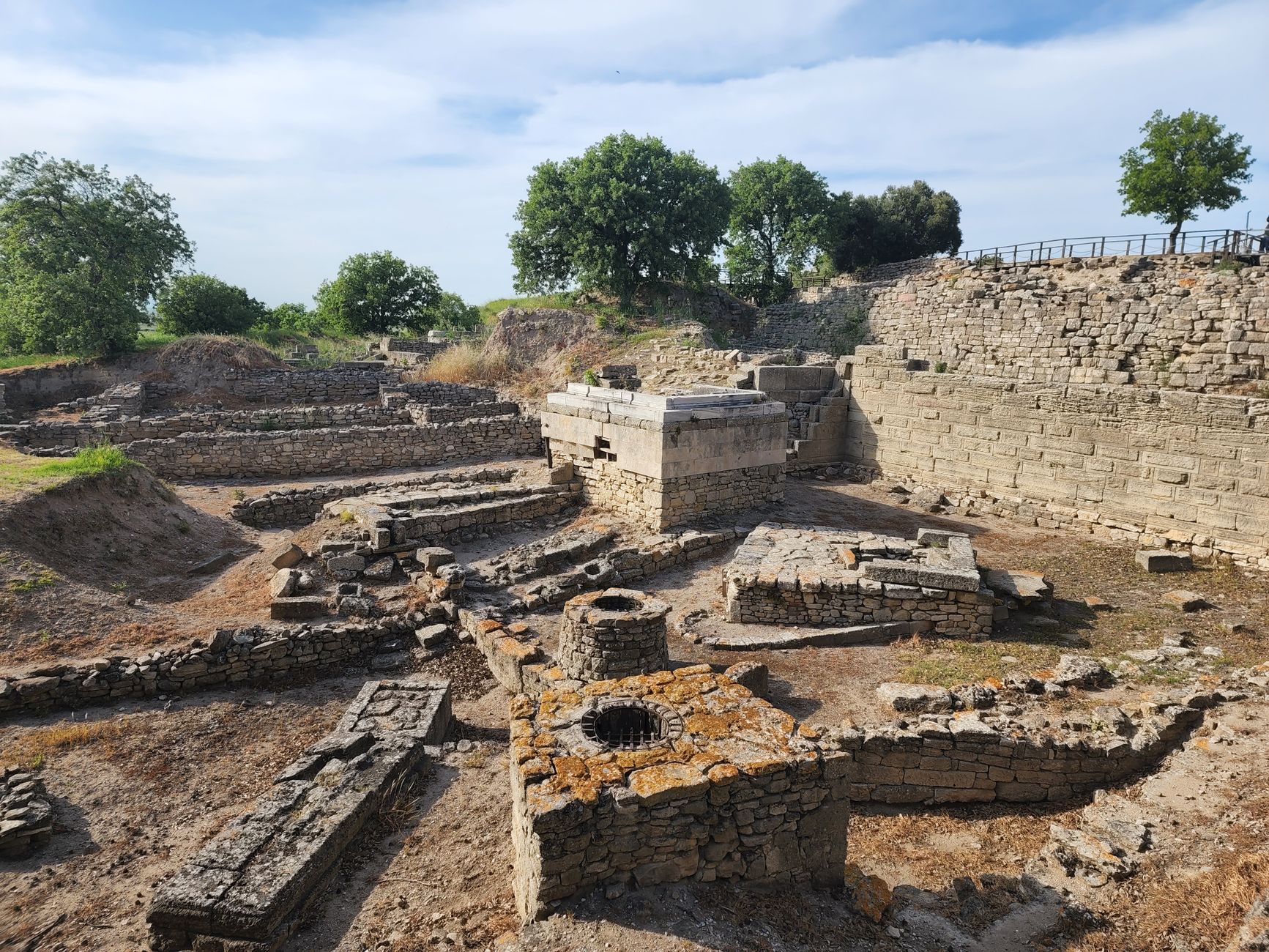
Troy, the legendary ancient city known for its rich history and mythical tales, particularly the Trojan War, is a must-see destination for history enthusiasts and curious travelers alike. This guide will explore where Troy is located, its archaeological significance, and the ruins that attract visitors from all over the globe.
Not only will you discover the precise location of Troy, but you will also gain insights into how to navigate this historical site, enjoy nearby attractions, and plan a memorable visit to this iconic location.
Where Is Troy?
Troy is located in northwestern Turkey, near the Dardanelles Strait, approximately 30 kilometers (18 miles) south of the city of Çanakkale. The ancient site lies situated on a hill called Hisarlik, overlooking the plain of the Scamander river.
The historical significance of Troy stems from its connection to Greek mythology and the epic tales of the Trojan War, largely recounted in Homer’s “Iliad.” The site has yielded various layers of ancient civilization, with evidence of settlement dating back to the Bronze Age.
Exploring the Ruins of Troy
Visitors to Troy can explore extensive ruins with remnants from different periods of civilizational ascendance. The archaeological site is comprised of several layers, with the major layers being Troy I to Troy IX, dating from 3000 BC to 500 AD. The layers represent how the city has evolved through various conquests and resettlements.
Main Attractions at Troy
- Walled City of Troy: The iconic walls of Troy, built around the city’s perimeter, are best viewed from various vantage points within the ruins. These fortifications testify to the city’s historical military significance.
- The Trojan Horse: An impressive recreation of the famous wooden horse is a central attraction. Visitors can take pictures and learn about its significance in the context of the Trojan War myth.
- The Temple of Athena: Located in the area, this sacred site was dedicated to the goddess Athena, one of the most revered figures in Greek mythology. The foundations are still visible today.
- The Grand Theater: This ancient theater, built during the Hellenistic period, could accommodate approximately 3,500 spectators and offers insights into the cultural aspects of ancient Troy.
- Archaeological Museum of Troy: Located in nearby Çanakkale, this museum houses several artifacts uncovered from the site, including pottery, tools, and tokens that offer additional context to the lives of Troy’s inhabitants.
Best Time to Visit Troy
The best time to visit Troy is during the spring or fall months—specifically, between April to June or September to October. During these months, the weather is generally mild, making it pleasant for outdoor exploration.
Summers can be hot and crowded, while winters can be cold and rainy. It is wise to check local weather forecasts before planning your trip to ensure the most satisfying experience.
Preparing Your Visit to Troy
Travel Logistics
Getting to Troy can be quite straightforward. The closest major city is Çanakkale, which serves as a convenient base for visiting the ancient site. You can reach Çanakkale via bus, train, or car from major cities like Istanbul, Izmir, or Bursa.
- By Bus: Buses frequently run from Istanbul to Çanakkale, making it one of the easiest travel options. The journey typically takes around 6-7 hours.
- By Car: Renting a car can give you the flexibility to explore the surrounding areas of northwestern Turkey. The drive from Istanbul to Troy takes approximately 5-6 hours depending on traffic.
- By Train: There are train services connecting Istanbul and Çanakkale, although traveling by bus may be faster. Check local schedules for timings.
Getting Around Troy
Once you arrive at the Troy site, the area is walkable, with pathways leading to various key points of interest within the ruins. Guided tours are available, and they often provide valuable insights into the history and significance of each site. Visitors can also choose to explore the area independently at their own pace.
Recommended Packing List
When visiting Troy, proper packing can enhance your experience. Here are essential items to consider bringing:
- Comfortable walking shoes: The site consists of uneven terrain; sturdy footwear is essential.
- Sunscreen: Protect yourself from sun exposure, especially if visiting during warmer months.
- Hat and sunglasses: A wide-brimmed hat and UV-protective sunglasses are recommended for sunny days.
- Water bottle: Staying hydrated is key, particularly during warm weather.
- Camera: Capture the incredible views and ancient structures of this historic site.
- Travel guide or map: Having a reference for what’s nearby can enhance your exploration.
Accommodation Options Near Troy
Staying in Çanakkale allows for easy access to the ruins and provides various accommodation options ranging from budget hotels to more luxurious stays.
Budget Accommodation
- Hostels: There are several hostels in Çanakkale catering to young travelers or those on tight budgets. They often feature communal living spaces and organized activities.
- Boutique hotels: Explore budget-friendly boutique hotels that provide unique décor and local charm.
Mid-range to Luxury Accommodation
- Hotels with Views: Look for hotels that offer views of the Dardanelles Strait or the ancient ruins; they might provide comfortable amenities.
- Resorts: There are resort-style accommodations with leisure facilities and dining options, ideal for those wishing for a more relaxed experience.
Food and Dining Experiences
Turkey is renowned for its culinary offerings, and the Çanakkale region is no exception. Visitors can explore traditional Turkish cuisine in town or nearby restaurants.
Must-Try Dishes
- Kebabs: Expect a variety of kebabs, whether grilled or cooked in pots, showcasing local spices and meats.
- Meze: Sample traditional meze platters, which include small dishes such as hummus, vine leaves, and local cheeses.
- Seafood: Being close to the coast, fresh seafood dishes are abundant, especially during summer months.
- Desserts: Don’t miss out on traditional Turkish sweets like baklava and künefe, which should complete your culinary exploration.
Cultural Etiquette and Customs
While visiting Troy and surrounding areas, it is essential to be aware of local customs:
- Respect site rules: Follow guidelines when visiting historical sites and do not touch or climb on ancient structures.
- Dress appropriately: While Turkey is fairly liberal, dressing modestly is appreciated, particularly in religious areas.
- Learn a few phrases: Simple Turkish phrases such as “Merhaba” (Hello) or “Teşekkür ederim” (Thank you) can enhance interactions with locals.
- Be patient: Local customs may differ from your home country; a calm approach will foster more positive experiences.
Planning Your Itinerary
A trip to Troy can typically be done in one day. However, for a more relaxed exploration that includes nearby attractions, consider a two- to three-day itinerary. You could also extend your visit to explore the beaches and natural parks in the area.
Sample Itinerary
- Day 1: Arrive in Çanakkale, settle into accommodation, and explore the city, including its vibrant cafes and waterfront views.
- Day 2: Head to Troy for a day of exploring the ancient ruins. Take a guided tour for in-depth insights.
- Optional Day 3: Visit the nearby Gallipoli Peninsula for historical significance related to World War I, offering poignant national memorials.
Conclusion
Visiting Troy is not only a journey through time but also an immersion into the heart of ancient civilizations and their legacies. The combination of captivating ruins, beautiful landscapes, and rich local cuisine makes it a well-rounded travel destination. As you plan your trip to this historic site, be sure to appreciate its significance while enjoying every moment in this remarkable corner of Turkey.
For more detailed travel insights and tips, explore related destination guides, itineraries, or travel-planning tips to maximize your experience. Consider checking out Where Is Troy for additional information and planning resources.