
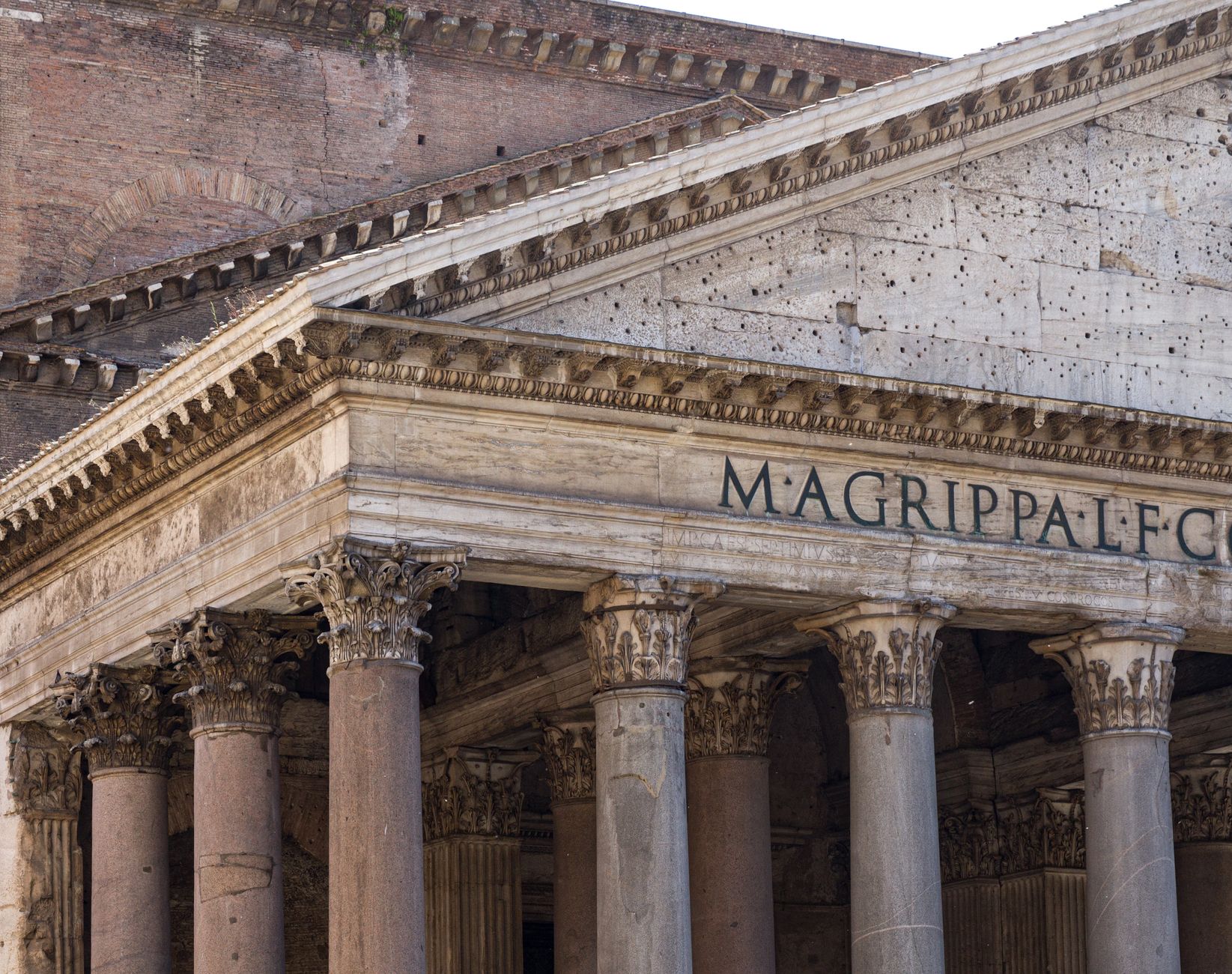
The Pantheon is one of the most remarkable architectural feats of ancient Rome, attracting millions of visitors each year. Originally built as a temple to the gods, it now serves as a church and a mausoleum. Its grandeur and innovative design provide not just a glimpse into Roman history, but also an understanding of the social and cultural values of the time.
This guide will answer the question: What is the Pantheon? We’ll delve into its history, architecture, visitor information, and tips for making the most of your visit to this iconic landmark in Italy’s vibrant capital.
What Is the Pantheon?
The Pantheon, located in the heart of Rome, is a well-preserved ancient Roman temple dedicated to all gods. Its name translates to “temple of all gods” in Greek. Built around 126 AD during Emperor Hadrian’s reign, the structure showcases exceptional architectural innovation, particularly its massive dome, which remains one of the largest unreinforced concrete domes in the world.
The Pantheon has been influential throughout history, inspiring various architectural styles and methodologies. Today, it stands as a symbol of Rome’s ancient architectural prowess and is a must-visit for anyone exploring the city.
History of the Pantheon
The Pantheon was originally commissioned by Marcus Agrippa around 27 BC, as a temple to the Roman gods. However, the structure that remains today was completed by Emperor Hadrian around 126 AD, following the original building’s destruction by fire. The innovative features and design choices showcased in the Pantheon cement its importance in Roman architectural history.
Throughout the centuries, the Pantheon has served various purposes. In the early Christian period, it was consecrated as a church, known as Santa Maria ad Martyres, in 609 AD. This transition helped preserve the structure, guarding it against the perils faced by many other ancient buildings during the Middle Ages. It also became a mausoleum for several Italian kings and notable figures, including the artist Raphael.
Architectural Features
The Pantheon combines classical elements of ancient Greek and Roman architecture. Its circular design, massive concrete dome, and oculus are particularly noteworthy. Here are some distinct architectural features worth exploring:
- Portico: The entrance features a grand portico with sixteen Corinthian columns, each made from Egyptian granite. The impressive width of the portico emphasizes the grandeur of the structure.
- Dome: The dome, measuring 43.3 meters in diameter, is considered a masterpiece of engineering. It is lighter in material near the apex and heavier near the base, a clever design choice that provides structural integrity.
- Oculus: At the dome’s center is an oculus, an opening that allows natural light to illuminate the interior. The oculus also serves as a ventilation system, helping regulate temperature inside the Pantheon.
- Interior: The interior is adorned with beautiful marble floors, niches to house statues and altars, and intricate coffered ceilings that further enhance the dome’s grandeur. Visitors can enjoy the serene atmosphere created by the delicate interplay of light and space.
Visiting the Pantheon
Before you go, it’s essential to plan your visit well to make the most of your time at the Pantheon. It’s a popular destination, so understanding the logistics is crucial.
Opening Hours
The Pantheon is generally open to visitors from 9 AM to 7 PM daily. However, it’s best to check the official website or local resources closer to your visit to confirm any seasonal changes or special events that may affect access.
Admission Fees
There is an admission fee to enter the Pantheon, which helps with its maintenance and restoration. This fee may vary, especially for youth, students, and senior citizens, so it’s advisable to check beforehand. As an alternative, entering the church is free, but access to specific areas may require a ticket.
Tips for a Smooth Visit
- Book in advance: Consider purchasing tickets online to avoid long queues, especially during peak tourist seasons.
- Guided tours: Joining a guided tour can enrich your experience by providing insights into the history and architecture of the Pantheon that you might miss on a casual visit.
- Plan your timing: Visiting early in the morning or later in the afternoon typically means fewer crowds, allowing for a more reflective experience.
- Respect the space: As the Pantheon functions as a church, visitors are encouraged to dress modestly and maintain a quiet atmosphere inside.
Nearby Attractions
The Pantheon is centrally located, making it easy to combine your visit with several nearby attractions. Here are some suggestions:
- Piazza Navona: A short walk away, this square is home to stunning fountains and vibrant street life. Enjoy local cafes and artists displaying their work.
- Trevi Fountain: Approximately 15 minutes away, the iconic fountain is a must-see. Tossing a coin over your shoulder into the fountain ensures your return to Rome!
- Roman Forum: A bit longer but worth the trip, the Roman Forum provides insight into the heart of ancient Roman life with its ruins and remains of important buildings.
Seasonal Considerations
When planning your visit to the Pantheon, it’s essential to consider the seasonal patterns in Rome. Here’s an overview:
- Spring (March to May): A fantastic time to visit, temperatures are mild and pleasant. Crowds start to build, so booking in advance is advisable.
- Summer (June to August): Rome experiences high tourist traffic and elevated temperatures. While visiting in the early morning or late evening can help avoid the heat and crowds, expect longer wait times.
- Autumn (September to November): Similar to spring, the weather is favorable for sightseeing, and crowds begin to thin, making it easier to explore.
- Winter (December to February): Temperatures can get chilly, and some attractions may have shortened hours. However, fewer tourists mean a more immersive experience.
Accommodation Options
Choosing the right accommodation can enhance your experience in Rome. Here are some recommended areas near the Pantheon:
- Centro Storico: This central district offers a range of hotels, hostels, and guesthouses within walking distance of the Pantheon. You’ll enjoy a historic atmosphere with shops, restaurants, and other attractions close by.
- Trastevere: A vibrant neighborhood across the Tiber River, Trastevere has winding streets and a buzzing nightlife. It’s a bit farther but offers a unique experience of Rome’s local culture.
- Campo de’ Fiori: Known for its lively market, Campo de’ Fiori is another excellent choice, offering a variety of dining and shopping options while keeping you close to the Pantheon.
Budget Considerations
Rome has a wide range of costs, and budgeting accordingly can help you have an enjoyable visit. Here are some aspects to consider:
- Entry Fees: As mentioned, the Pantheon charges an entry fee. Factor this into your budget, especially if you’re visiting other attractions.
- Meals: Dining in Rome can vary widely in price. Look for trattorias or pizzerias for affordable authentic meals, while fine dining will be pricier.
- Public Transport: Rome offers bus and metro systems that are affordable and efficient. Consider purchasing a daily travel card for unlimited access.
- Shopping: Souvenirs and local crafts can be found throughout the city. Be mindful of budget constraints while enjoying your shopping experience.
Cultural Etiquette
Respecting local customs can enhance your experience when visiting the Pantheon and Rome in general. Here are some helpful pointers:
- Dress Code: As a functioning church, visitors should dress modestly. This typically means covering shoulders and knees.
- Photography: While photography is generally allowed, be mindful of other visitors and avoid using flash where it’s prohibited.
- Silence: Maintain a respectful silence while inside. Many people visit for reflection as well as exploration.
Conclusion
The Pantheon stands as a testament to Rome’s architectural brilliance and rich history. By understanding its significance, planning your visit appropriately, and respecting local customs, you’ll be able to appreciate this iconic landmark fully. Whether you’re a history buff, an architecture enthusiast, or simply seeking a meaningful travel experience, the Pantheon offers something special for every visitor.
For further insights on visiting Rome, check out guides on what to see at the Pantheon and where to stay in Rome. You’ll find practical tips and ideas to enhance your Roman adventure!