
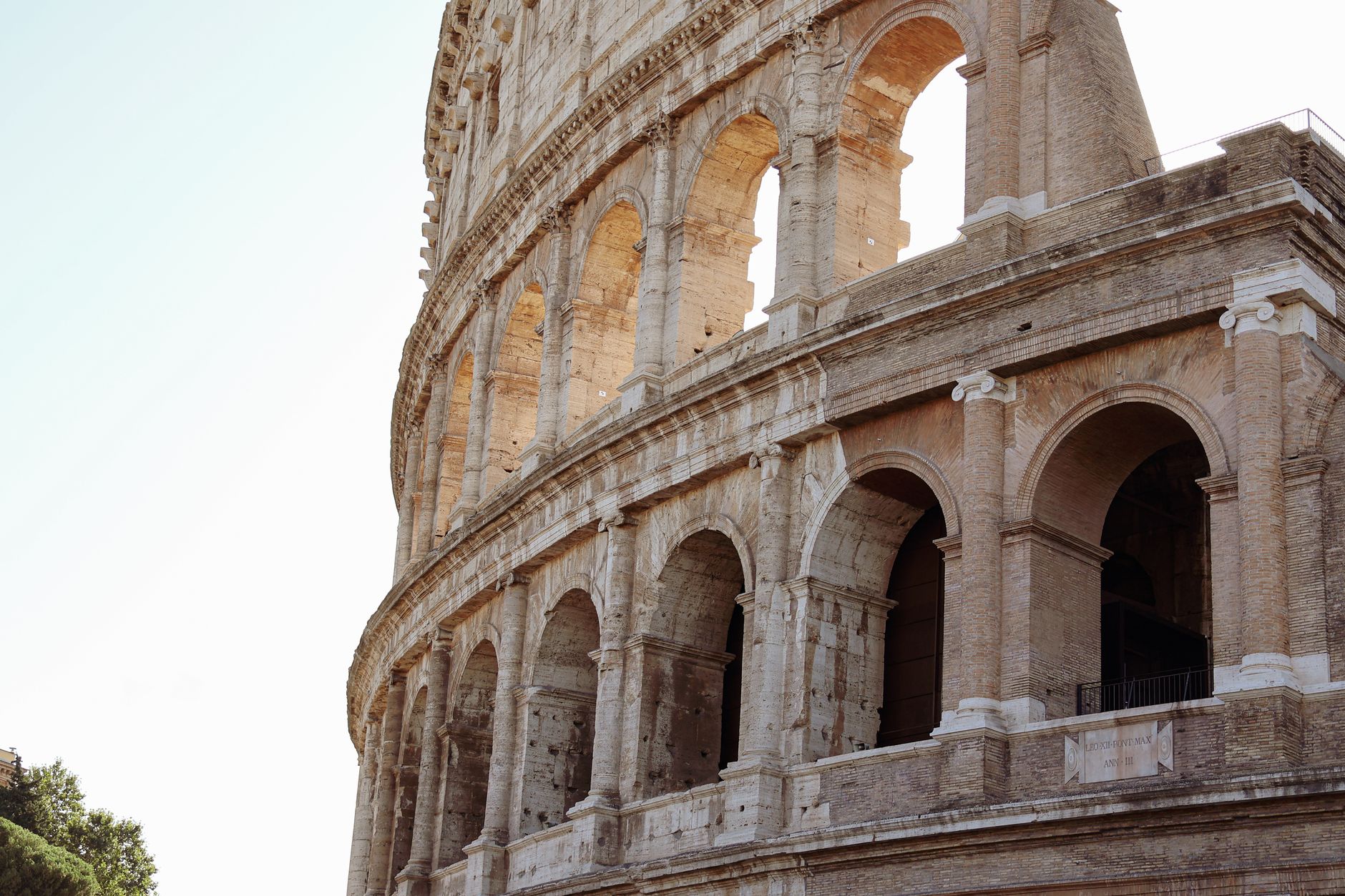
The Colosseum, an iconic symbol of Rome, is an ancient amphitheater steeped in history and architectural genius. This monumental structure draws millions of visitors yearly, offering a glimpse into the grandeur of the Roman Empire and its ruthless gladiatorial games.
Whether you’re an avid history buff or just looking to explore one of the world’s most impressive landmarks, this guide will offer insights into the Colosseum’s rich history, essential visitor information, and tips for making the most of your visit.
What Is the Colosseum?
The Colosseum, also known as the Flavian Amphitheater, is the largest ancient amphitheater ever built. Located in the heart of Rome, it was constructed between 70-80 AD under the emperors Vespasian and Titus. With a capacity to hold around 50,000 spectators, it hosted various events, including gladiatorial contests, animal hunts, and mock sea battles, contributing to its status as a central hub of entertainment in ancient Rome.
History of the Colosseum
The construction of the Colosseum marks a significant achievement in Roman engineering. Initiated by Emperor Vespasian, the project was part of a larger plan to create a grand space for public entertainment. It was built using concrete and stone, showcasing Roman innovation in construction techniques. The Colosseum was completed in 80 AD by Emperor Titus, and later, additional modifications were made under Emperor Domitian, completing the structure’s current shape.
Throughout its history, the Colosseum served various purposes. Initially, it hosted gladiatorial combats and other public spectacles, entertaining the population and reinforcing the emperor’s power. Over time, as the Roman Empire declined, the Colosseum fell into disuse. Stones were plundered for new constructions, and the amphitheater suffered damage from earthquakes.
Key Historical Events
- Opening Ceremonies (80 AD): The inaugural games lasted 100 days, featuring gladiatorial battles and wild animal exhibitions.
- Decline of the Games (5th Century): Over the centuries, as Christianity spread, the moral implications of gladiatorial games led to a decline in such events.
- Earthquake Damage (1349): A significant earthquake caused much of the Colosseum’s south side to collapse.
- Restoration Efforts (18th Century): Interest in restoring the Colosseum arose, aiming to preserve its historical significance.
Key Facts About the Colosseum
Below are essential facts to enhance your understanding and appreciation of the Colosseum:
- Construction Material: The Colosseum is primarily constructed from travertine limestone, tuff, and brick.
- Architecture: The structure spans approximately 189 meters in length, 156 meters in width, and reaches a height of 48 meters, showcasing its colossal scale.
- Seating Capacity: Originally, the Colosseum could hold between 50,000 to 80,000 spectators, providing ample space for gatherings.
- Modern Usage: Today, it is a UNESCO World Heritage Site and serves as a reminder of ancient Rome’s cultural legacy.
Visiting the Colosseum: What to Expect
When planning a visit to the Colosseum, there are several factors to consider to ensure an enjoyable experience. Below is a comprehensive guide on how to navigate your visit.
Best Times to Visit
The Colosseum is popular year-round, but certain times can be particularly crowded. To avoid long lines and crowded conditions, consider visiting during:
- Weekdays, particularly Tuesday through Thursday.
- Early morning or late afternoon time slots.
- Off-peak seasons, such as late fall or winter (excluding the holiday period).
Tickets and Entry
To enter the Colosseum, purchasing tickets in advance is highly recommended to skip the long entrance queues.
- Standard Tickets: These give access to the Colosseum, Roman Forum, and Palatine Hill.
- Guided Tours: Consider opting for a guided tour if you want a richer understanding of the site. Many reputable companies offer expert-led tours.
- Night Tours: For a unique experience, consider booking a night tour of the Colosseum.
Accessibility
The Colosseum strives to be accessible to everyone. There are ramps and elevators for visitors with mobility challenges. If you require assistance, inquire about the facilities at the entrance. Also, consider pre-arranging a guided tour that caters to accessibility needs.
Nearby Attractions
The Colosseum’s central location means several attractions are within walking distance. Here are a few must-visit sites to consider during your trip:
- The Roman Forum: Just a short walk from the Colosseum, this area was the center of Roman public life.
- Palatine Hill: Explore the birthplace of Rome, offering stunning views and ancient ruins.
- Arch of Constantine: Located near the Colosseum, this triumphal arch commemorates Constantine’s victory.
- Capitoline Museums: A bit further from the Colosseum, these museums house an extensive collection of art and artifacts.
Tips for Your Visit
To make the most of your visit to the Colosseum, here are some practical tips:
- Wear Comfortable Shoes: You’ll be doing a lot of walking, so comfortable footwear is essential.
- Stay Hydrated: Bring water bottles, especially during warmer months. There are fountains nearby to refill.
- Plan for Weather: Check the weather forecast and dress accordingly; the Colosseum is largely open-air.
- Respect the Site: Be mindful of the rules regarding photography and touching the ruins.
How to Get to the Colosseum
Reaching the Colosseum is relatively straightforward, thanks to Rome’s public transport system. Here are your options:
Public Transport
Rome’s public transport includes buses, trams, and metro services:
- Metro: Take Line B (Blue Line) and get off at the Colosseo station, which is conveniently located right outside the entrance.
- Buses: Several bus routes stop nearby, including 75, 81, and 175.
- Tram: Tram line 3 stops a short walk from the Colosseum area.
Walking
If you’re staying in central Rome, consider walking to the Colosseum, as many other historic sites are nearby, making it a great way to explore the city.
Parking
If you’re driving, parking near the Colosseum can be challenging due to the restricted zones in historic Rome. It is advisable to park at designated parking areas further away and use public transport to reach the Colosseum.
Accommodation Near the Colosseum
When planning a trip to the Colosseum, staying nearby can streamline your visit. Here’s a breakdown of various accommodation options suitable for different budgets and preferences:
Luxury Hotels
- Hotel Palazzo Manfredi: Offering breathtaking views of the Colosseum from its rooftop restaurant.
- Hassler Roma: Known for its opulent decor and excellent service.
Mid-Range Options
- Hotel Capo d’Africa: Conveniently located and offers comfortable rooms with modern amenities.
- Rome Times Hotel: A blend of modern style and historical ambiance, just minutes from the Colosseum.
Budget Accommodations
- Hostel Alessandro Palace: A popular sociable hostel offering dormitory-style accommodations.
- Hotel Contessa: Affordable options, offering a cozy environment ideal for travelers on a budget.
Local Cuisine: What to Try
Rome is not just about history; it’s also a culinary heaven. While exploring the Colosseum, make sure to sample local delicacies:
- Carbonara: A popular pasta dish made with eggs, cheese, pancetta, and black pepper.
- Supplì: Delicious rice balls filled with mozzarella and fried until golden.
- Gelato: Experience Italy’s famous gelato, a perfect treat after exploring in the heat.
Seasonal Considerations
When planning your visit, understanding Rome’s seasonal patterns can help you choose the best time to go:
- Spring (March to May): Generally mild weather, making it a popular time for tourists, accompanied by crowds.
- Summer (June to August): Hot and crowded, with peak tourist seasons. Consider early morning visits.
- Autumn (September to November): Moderate temperatures and fewer crowds, ideal for exploration.
- Winter (December to February): Colder temperatures with fewer visitors, providing an opportunity for quieter experiences.
Conclusion
The Colosseum is more than just an ancient amphitheater; it is a testament to Roman architectural prowess and a vivid reminder of history. With its rich background, stunning structure, and cultural significance, visiting the Colosseum should be on everyone’s travel itinerary. Prepare adequately and explore this magnificent landmark, and you will undoubtedly walk away with unforgettable memories.
Those interested in learning more about the Colosseum itself and its construction timeline should explore what the Colosseum is and delve deeper into when it was built.