
Chile, a narrow strip of land stretching along the western coast of South America, is known for its stunning diversity in landscapes, rich cultural heritage, and delectable culinary experiences. From the bustling urban life of Santiago to the remote beauty of Patagonia, Chile offers endless opportunities for exploration and adventure. This article delves into what makes Chile a fascinating destination—its local food, vibrant history, and must-see attractions.
Travelers from around the globe flock to Chile for its unique blend of culture, adventure, and natural wonders. Understanding what Chile is known for will help you plan an unforgettable trip to this South American gem.
What Is Chile Known For?
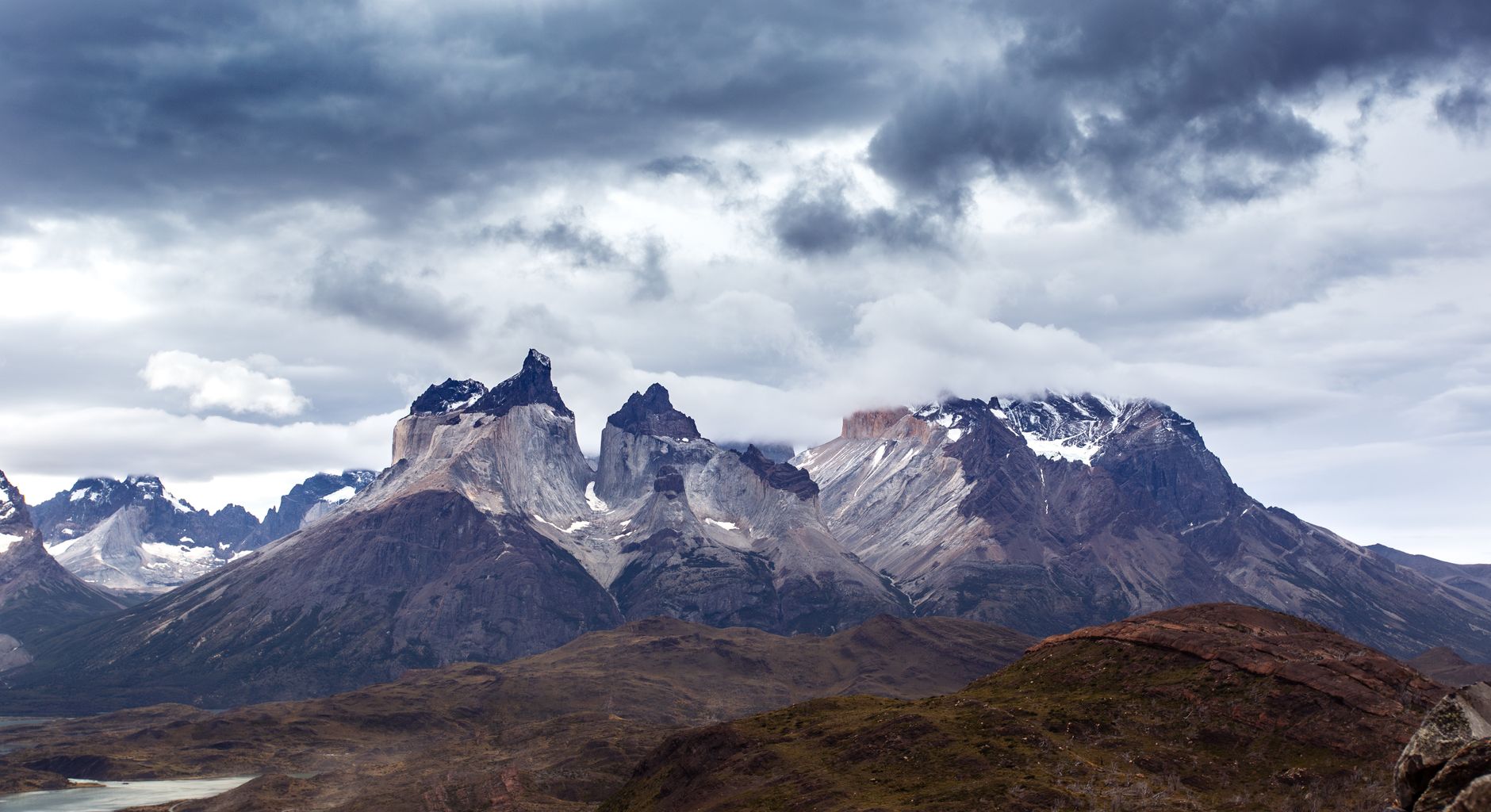
Chile is known for its breathtaking landscapes, including the Andes mountains, the Atacama Desert, and the Chilean Patagonia. It also boasts a rich cultural heritage influenced by indigenous communities and Spanish colonizers. The country’s local cuisine, which highlights fresh seafood, regional ingredients, and distinctive flavors, makes it a culinary delight to explore.
Local Food and Beverage Highlights
Chile’s culinary scene is a reflection of its geography, history, and cultural fusion. The country’s diverse climates and landscapes provide an abundance of fresh ingredients that can be seen in its traditional dishes. Below are some local foods and beverages that every visitor should try:
- Empanadas: These savory pastries are filled with a variety of ingredients, including meats, cheese, or vegetables. The most popular filling is pino, which consists of beef, onions, hard-boiled eggs, olives, and spices.
- Cazuela: A hearty stew made with chicken or beef, potatoes, corn, squash, and other vegetables. This dish is perfect for warming up on chilly days.
- Pastel de Choclo: A traditional corn pie made with a base of ground meat (often mixed with olives or boiled eggs) and a sweet layer of corn topping.
- Seafood: Chile’s extensive coastline means it has access to fresh seafood, such as machas (razor clams), reineta (a type of fish), and ceviche, a dish made from raw fish cured in citrus juices and spiced with chili peppers.
- Wine: Chile is one of the world’s top wine producers. The Central Valley is home to many renowned wineries, producing excellent red and white wines, particularly Cabernet Sauvignon, Merlot, and Sauvignon Blanc.
- Terremoto: A traditional Chilean cocktail made with pipeño (a type of sweet wine), pineapple ice cream, and grenadine. This drink is both refreshing and potent.
Historical Significance
Chile’s history is marked by the influence of indigenous cultures, Spanish colonization, and significant socio-political changes. Understanding this history will enhance your travel experience.
Pre-Colombian Era
Prior to European contact, Chile was inhabited by various indigenous groups, such as the Mapuche, Aymara, and Rapa Nui. Each group had distinct languages, traditions, and social structures. The Mapuche are particularly known for their resistance against the Spanish conquest.
Spanish Colonization
In the 16th century, Spanish conquistadors led by Pedro de Valdivia arrived in Chile. The Spanish established a colonial government, and Santiago was founded in 1541. This era brought significant changes to the indigenous way of life, resulting in cultural blending, conflict, and the introduction of European customs, religion, and agriculture.
Independence and Modern History
Chile gained independence from Spain in 1818 after a series of conflicts known as the Chilean War of Independence. The 19th and 20th centuries saw significant social and political upheaval, culminating in a military coup in 1973. Since then, Chile has undergone substantial economic and political reforms, resulting in a stable democracy and a booming economy today.
Must-See Attractions
Chile is home to a wealth of attractions that showcase its natural beauty and cultural heritage. Here are some of the top places to visit:
- Torres del Paine National Park: This UNESCO Biosphere Reserve is famous for its dramatic mountains, glaciers, and lakes. Hiking, wildlife watching, and camping are popular here.
- Atacama Desert: Known as the driest non-polar desert in the world, the Atacama offers breathtaking landscapes, salt flats, geysers, and unique rock formations. Don’t miss the Valle de la Luna (Moon Valley) for surreal sunset views.
- Santiago: The capital city is a cultural hub, where visitors can explore museums like the Museo Nacional de Bellas Artes, indulge in culinary delights, and experience vibrant nightlife.
- Valparaíso: A UNESCO World Heritage site known for its colorful hillside houses, street art, and bohemian atmosphere. The city’s funiculars and waterfront area are must-visit spots.
- Rapa Nui (Easter Island): Famous for its moai statues, this remote island offers a glimpse into Polynesian culture, with stunning landscapes and intriguing archaeological sites.
- Lake District: This picturesque region features stunning lakes, volcanoes, and charming towns such as Puerto Varas and Frutillar, showcasing German influence in architecture and cuisine.
Travel Logistics and Practical Tips
Planning a trip to Chile comes with logistics that are essential to ensure a smooth travel experience. Here are some practical tips:
Best Time to Visit
The best time to visit Chile largely depends on your destination and interests. Generally:
- Summer (December to March) is ideal for traveling in Patagonia and enjoying beach destinations.
- Fall (April to June) offers beautiful autumn foliage and fewer tourists.
- Spring (September to November) is perfect for exploring the Atacama Desert and its blooming flowers.
Transportation
Chile has a well-developed transportation system, making it easy for travelers to navigate the country.
- Air Travel: Domestic flights are the quickest way to cover large distances, especially for locations like Patagonia, the Atacama Desert, and Easter Island.
- Bus Travel: Long-distance buses offer an economical way to travel between cities. Companies like Turbus and Pullman Bus provide comfortable options.
- Public Transport: Cities like Santiago have efficient metro systems. Taxis and ride-hailing services are also available.
Accommodation Options
Chile offers a range of accommodation options to fit different budgets and preferences.
- Luxury Hotels: For travelers seeking high-end amenities, look for hotels in cities like Santiago or Puerto Varas.
- Mid-range Hotels and Hostels: Many comfortable options are available, especially in tourist areas and cities, catering to budget-conscious travelers.
- Camping: For outdoor enthusiasts, camping in national parks and coastal areas provides an intimate way to connect with nature.
Budget Considerations
Traveling in Chile can be managed on various budgets. Here are some tips to consider:
- Accommodation: Prices can range from budget hostels at about $10-20 USD per night to luxury hotels starting from $100 USD and up.
- Food: Dining at local eateries or “picadas” can cost as little as $5-15 USD, while upscale restaurants may charge around $30-50 USD per person.
- Activities: Entrance fees to national parks might range from $5-30 USD, and organized tours can vary widely based on the activity.
Cultural Experiences and Etiquette
Experiencing Chilean culture is an important part of any visit. Here are some tips to help you engage respectfully:
- Learn a few basic Spanish phrases; it’s appreciated and will enhance your interactions.
- Be respectful of local customs, such as greeting with a kiss on the cheek, which is common among friends and acquaintances.
- Participate in local celebrations like Fiestas Patrias (Independence Day) in September, where you’ll experience traditional music, dance, and food.
Tips for Responsible Travel
Being a responsible traveler ensures that the beauty of Chile continues to thrive for future generations:
- Respect local communities and their customs; be mindful of taking photographs in culturally sensitive areas.
- Minimize your environmental impact by following “Leave No Trace” principles while hiking or visiting natural sites.
- Support local economies by purchasing crafts and goods from local artisans.
Conclusion
Chile is a land of contrasts, rich in culture and natural beauty. From its famous local cuisine to its incredible landscapes and vibrant history, there is no shortage of experiences waiting for you. Whether you’re trekking in Patagonia or sipping wine in the Central Valley, Chile offers a unique travel experience that will leave a lasting impression. Start planning your adventure, and immerse yourself in all that this remarkable country has to offer.
For more travel inspiration, consider exploring related destination guides and itineraries, such as what Chile is known for or how to get to Machu Picchu.