
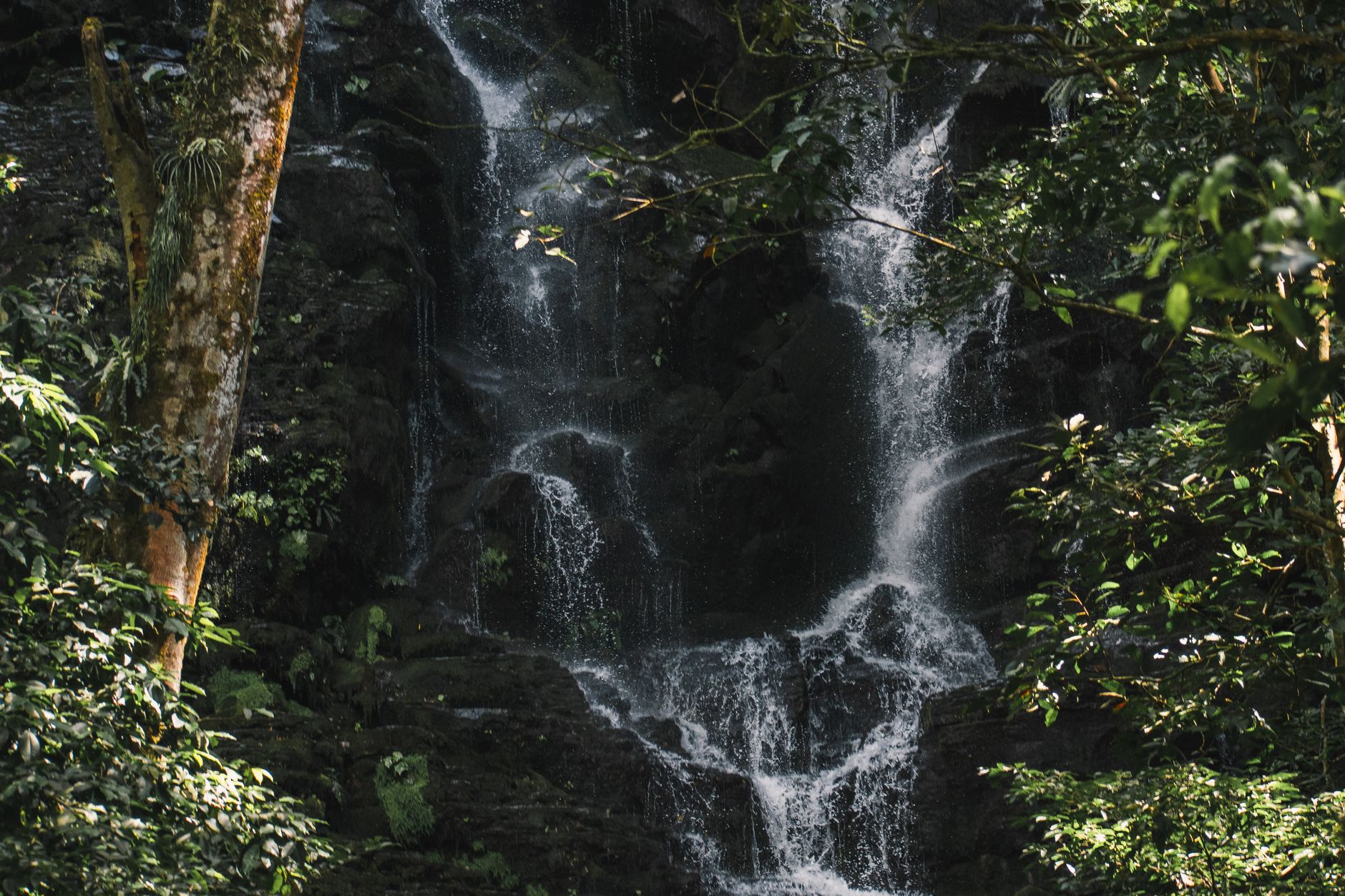
Costa Rica is a popular destination known for its stunning biodiversity, picturesque beaches, and lush rainforests. However, many travelers often wonder, “Is Costa Rica expensive?” This article will delve into the costs associated with visiting this beautiful Central American country and provide practical tips to help you save money while making the most of your trip.
From accommodation choices to transportation options and food expenses, we will cover essential aspects for budget-conscious travelers. By the end of this guide, you’ll have a better understanding of how to explore Costa Rica without breaking the bank.
Is Costa Rica Expensive?
In general, Costa Rica can be considered moderately priced compared to many other destinations, especially in the Americas. While some areas may lean towards the expensive side, travelers can find plenty of opportunities to budget and save. Your overall cost will depend on your travel style, preferences, and itinerary.
Understanding the Cost of Traveling in Costa Rica
When assessing the costs of visiting Costa Rica, it’s important to consider various factors, including:
- Accommodation
- Food & Dining
- Transportation
- Activities & Attractions
- Currency and exchange rates
Accommodation Costs
Costa Rica has a wide range of accommodations to suit every budget. Prices can vary significantly based on location and type of lodging.
Types of Accommodation
- Hostels: Dormitories can range from $10 to $30 per night. Ideal for budget travelers, especially backpackers.
- Mid-range Hotels: Expect to pay between $50 to $150 for a double room. Facilities typically include Wi-Fi, breakfast, and sometimes pools.
- Luxury Resorts: High-end accommodations can range from $200 to $600 or more per night. Expect amenities like spas, restaurants, and private beach access.
Where to Stay
Consider these popular areas for a range of accommodation options:
- San José: The capital city has many budget options and is a great place to start your journey.
- Manual Antonio: Combines beautiful beaches with diverse wildlife, offering both budget-friendly and luxury stays.
- La Fortuna: Home to the famous Arenal Volcano, this area provides numerous lodging options for every budget.
Food and Dining Expenses
Food prices in Costa Rica vary widely based on where you choose to eat.
Dining Options
- Casados: A traditional meal consisting of rice, beans, a protein, and salad. Expect to pay $5 to $10 at local sodas (small restaurants).
- Mid-range Restaurants: A three-course meal for two will typically cost between $30 to $60.
- High-end Restaurants: Upscale dining experiences can go upwards of $100 for a meal for two.
Street Food Tips
Street food is a great way to save money while experiencing local cuisine. Vendors often sell delicious snacks like:
- Tamales
- Empanadas
- Churros
Prices for street food items can range from $1 to $5.
Transportation Costs
Getting around Costa Rica can be affordable, but options vary significantly in price and convenience.
Public Transportation
- Buses: This is the primary mode of transportation for locals and travelers alike. Long-distance bus fares range from $5 to $20, depending on the distance.
- Taxis: Metered taxis are available in cities, but fares can add up. Be sure to ask for a price estimate before starting your journey.
Car Rentals
Renting a car can be convenient, particularly in more remote areas. Daily rental costs typically range from $30 to $80. Keep in mind that insurance and fuel will add to the overall cost.
Activities and Attractions
Costa Rica offers countless activities, from hiking in national parks to ziplining through the rainforest. Here are some popular attractions and their average costs:
- Arenal Volcano National Park: Entrance fee is approximately $15.
- Monteverde Cloud Forest Reserve: Entrance fees can be around $25.
- Canopy Tours/Zip-lining: Prices typically range from $50 to $100, depending on the provider.
- Surfing Lessons: Costs can vary from $40 to $70 for an hour-long lesson.
Ways to Save Money While Traveling in Costa Rica
Traveling to Costa Rica doesn’t have to be financially burdensome. Here are some tips to help you save money while still enjoying the adventure.
Plan Your Travel Off-Peak
Costa Rica’s peak tourist season runs from mid-December to April. By traveling during the rainy season (May to November), you can often find lower rates on accommodations and activities.
Choose Budget Accommodations
Opting for hostels, guesthouses, or homestays can significantly reduce lodging costs. Look for accommodations that offer kitchen facilities, enabling you to prepare some of your meals.
Eat Like a Local
Patronize local eateries and food markets. Not only will you save money, but you’ll also experience authentic Costa Rican cuisine.
Use Local Transportation
Take advantage of public transportation, especially buses. They are generally safe, reliable, and exceedingly budget-friendly.
Look for Free Activities
Explore the many public beaches, hiking trails, and natural parks where entrance fees are minimal or nonexistent. You can often find incredible adventures without spending a dime.
Book Online and in Advance
Many activities and accommodations offer discounts for booking online. Research and reserve your experiences ahead of time to take advantage of these deals.
Sample Itinerary for a Budget-Friendly Trip
For a practical guide on making the most of your time in Costa Rica without overspending, consider this sample itinerary that combines must-see sights and budget-friendly options.
Day 1: Arrival in San José
- Arrive at Juan Santamaría International Airport.
- Check into a budget hotel or hostel.
- Explore downtown San José, visit the Pre-Columbian Gold Museum.
- Enjoy a local dinner at a soda.
Day 2: Arenal Volcano
- Take a bus to La Fortuna (about 4 hours).
- Check into a mid-range hotel or a budget hostel.
- Explore La Fortuna Waterfall (entrance fee around $15).
- Dine at a local restaurant.
Day 3: Adventure in Arenal
- Spend the day ziplining in Arenal.
- Visit the Arenal Volcano National Park (entrance fee around $15).
- Opt for a local hot springs experience in the evening.
Day 4: Monteverde Cloud Forest
- Travel via bus to Monteverde (around 3.5 hours).
- Check into a budget accommodation.
- Visit the Monteverde Cloud Forest Reserve (entrance fee approximately $25).
- Dine at a local eatery.
Day 5: Relaxing and Exploring
- Spend the morning exploring local villages or hiking.
- Travel back to San José (around 4 hours).
- Enjoy your last evening in Costa Rica with a farewell dinner.
Conclusion
Costa Rica offers a magnificent adventure at a variety of price points. While some may consider it an expensive destination, savvy budgeting and planning can make for an incredible experience without overspending. By considering accommodations, dining options, and transportation wisely, you can immerse yourself in the beauty and culture of Costa Rica while keeping your finances in check.
As you plan your trip, don’t forget to explore related destination guides, itineraries, or travel-planning tips to enhance your experience, such as where to go in Costa Rica and Is Costa Rica Expensive.