
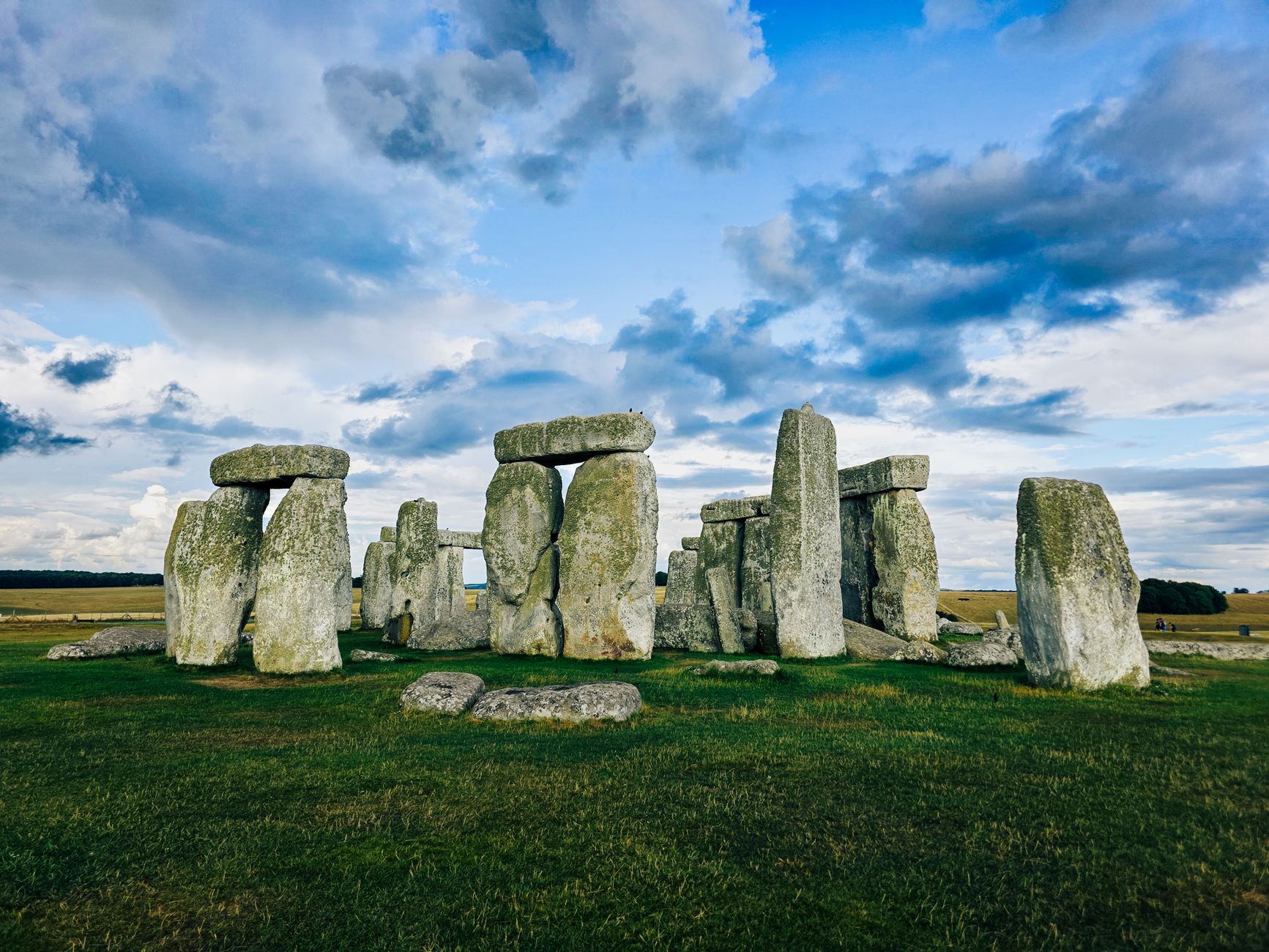
Stonehenge, one of the most iconic prehistoric monuments in the world, is a must-visit for history enthusiasts and travelers alike. But if you’re based in London, it’s essential to know just how far Stonehenge is and the best ways to get there. This guide will provide you with practical information regarding distance, travel options, and tips to make the most of your visit.
Located in Wiltshire, England, Stonehenge attracts millions of visitors each year with its mysterious standing stones that have stood for over 4,500 years. Whether you’re on a day trip or planning an extended stay, knowing how to reach Stonehenge from London can help you optimize your travel itinerary.
How Far Is Stonehenge From London?
Stonehenge is approximately 88 miles (141 kilometers) west of London. The direct distance means it’s relatively accessible for day trips or weekend getaways. However, travel times can vary based on your mode of transportation and traffic conditions.
Travel Options from London to Stonehenge
When planning your trip to Stonehenge from London, several transportation options are available. Here’s a breakdown of each method, along with approximate travel times:
1. By Train
Taking the train from London to Salisbury is often the most efficient option:
- Departure: Most trains depart from London Waterloo Station.
- Travel Time: The journey typically takes around 1 hour and 30 minutes.
- Arriving in Salisbury: From the Salisbury train station, you can take a direct bus or taxi to Stonehenge, which is about 8 miles away.
2. By Bus
There are also coach services available:
- Guided Tours: Many tour operators offer day trips from London to Stonehenge, usually including transportation and sometimes additional sites like Bath or Windsor.
- Direct Buses: National Express buses run regularly from Victoria Coach Station to Stonehenge, taking about 2 to 2.5 hours depending on traffic.
3. By Car
If you prefer driving, renting a car gives you the flexibility of your schedule:
- Driving Distance: The journey is approximately 88 miles, mostly via the M3 and A303 highways.
- Travel Time: Without heavy traffic, the drive will take about 2 hours. Factor in time for breaks and any potential delays.
4. Private Transfers
For a more personalized experience, consider a private transfer service, which can be booked in advance. This option can be particularly good for groups or families.
Exploring Stonehenge: What to Expect
Once you arrive at Stonehenge, here’s what you can expect:
1. Visitor Center
The Stonehenge Visitor Center offers a wealth of information about the monument’s history and significance. Inside you will find:
- Exhibits featuring ancient artifacts.
- A café and gift shop.
- Restrooms and rest areas.
2. The Stones
The stone circle itself is a UNESCO World Heritage Site, and visitors can walk around the stones at designated viewing spots. The experience is enhanced by the beautiful, surrounding countryside. Here are a few tips for your visit:
- It’s advisable to book your tickets in advance, especially during peak tourist season.
- Guided tours are available that provide deeper insight into the history and theories surrounding Stonehenge.
How Long to Spend at Stonehenge
While Stonehenge itself can be seen in about 1 to 2 hours, setting aside time for the Visitor Center is recommended. Here’s how to plan your visit:
- Minimum Time: 2 hours will give you enough time to explore the stones and the Visitor Center.
- Optimal Time: 3 to 4 hours would allow for a more leisurely experience, including a walk around the nearby landscape.
Combining Other Attractions with Stonehenge
If you’re driving or taking a guided tour, consider combining your Stonehenge visit with these nearby attractions:
- Bath: Famous for its Roman baths and Georgian architecture, this city is just a short drive from Stonehenge.
- Salisbury Cathedral: Known for its stunning architecture and the tallest spire in the UK, it’s worth a visit if you’re in Salisbury.
- Avebury Stone Circle: Another remarkable prehistoric site, it features a larger stone circle and a unique ambiance.
Weather Considerations
The weather in England can be unpredictable, particularly in the winter months. Here’s what you need to know:
- Winters can be cold and rainy, with average temperatures ranging from 2°C to 8°C (36°F to 46°F).
- Summer months (June to August) are warmer, with temperatures averaging 18°C to 25°C (64°F to 77°F).
- Spring and autumn are also popular times to visit, but it’s wise to check local forecasts closer to your travel date.
Accommodation Near Stonehenge
If you plan to stay overnight in the area, consider your accommodation options:
- Salisbury: Offers a variety of hotels and guesthouses, ranging from budget to luxury options.
- Stonehenge Campsites: There are several campsites nearby if you prefer the outdoors or are traveling with family.
- Bath: If you decide to explore Bath after your visit, it has a plethora of accommodations, including boutique hotels and B&Bs.
Budgeting for Your Trip
Budgeting is crucial, especially if you’re planning a day trip. Here’s a breakdown of potential costs:
- Transport: Train tickets from London to Salisbury can vary from £20 to £50 round trip, depending on how far in advance they are booked.
- Entry Fees: As of recent years, entry fees to Stonehenge are approximately £20 for adults, with discounts for children and families.
- Food: Expect to spend around £10 to £20 per person for meals, either at the Visitor Center café or nearby restaurants.
Travel Tips and Suggestions
Here are some additional tips to enhance your Stonehenge visit:
- Check the official Stonehenge website for the latest updates on opening hours and any planned events.
- Consider exploring the surrounding areas on foot or by bicycle; there are scenic paths that connect to other historical sites.
- If you’re traveling during peak season, aim to visit Stonehenge during early morning or late afternoon to avoid crowds.
Preparing for Your Visit
When packing for your trip, consider the weather and activities planned:
- Comfortable Footwear: Essential for walking around the site and nearby attractions.
- Weather Appropriate Clothing: Layered clothing is recommended, particularly during spring and fall.
- Camera or Smartphone: To capture the beauty of Stonehenge and the surrounding landscapes.
Transportation After Your Visit
Once you’ve explored Stonehenge, there are options for your return journey:
- If using public transport, ensure you check the bus or train schedules in advance to plan your return.
- If driving, consider stopping at additional sites like Old Sarum or nearby villages to make the most of your trip.
The journey from London to Stonehenge is manageable and rewarding, offering a remarkable insight into England’s prehistoric past. Whether you choose to go by train, bus, or car, this iconic site is well worth the trip.
For additional resources, check out guides on where to stay in London or discover more about planning your visit to Stonehenge. Be sure to explore all the options available to enhance your travel experience.
Explore related destination guides, itineraries, or travel-planning tips, such as How Far Is Stonehenge From London and Where to Stay in London First Time.