
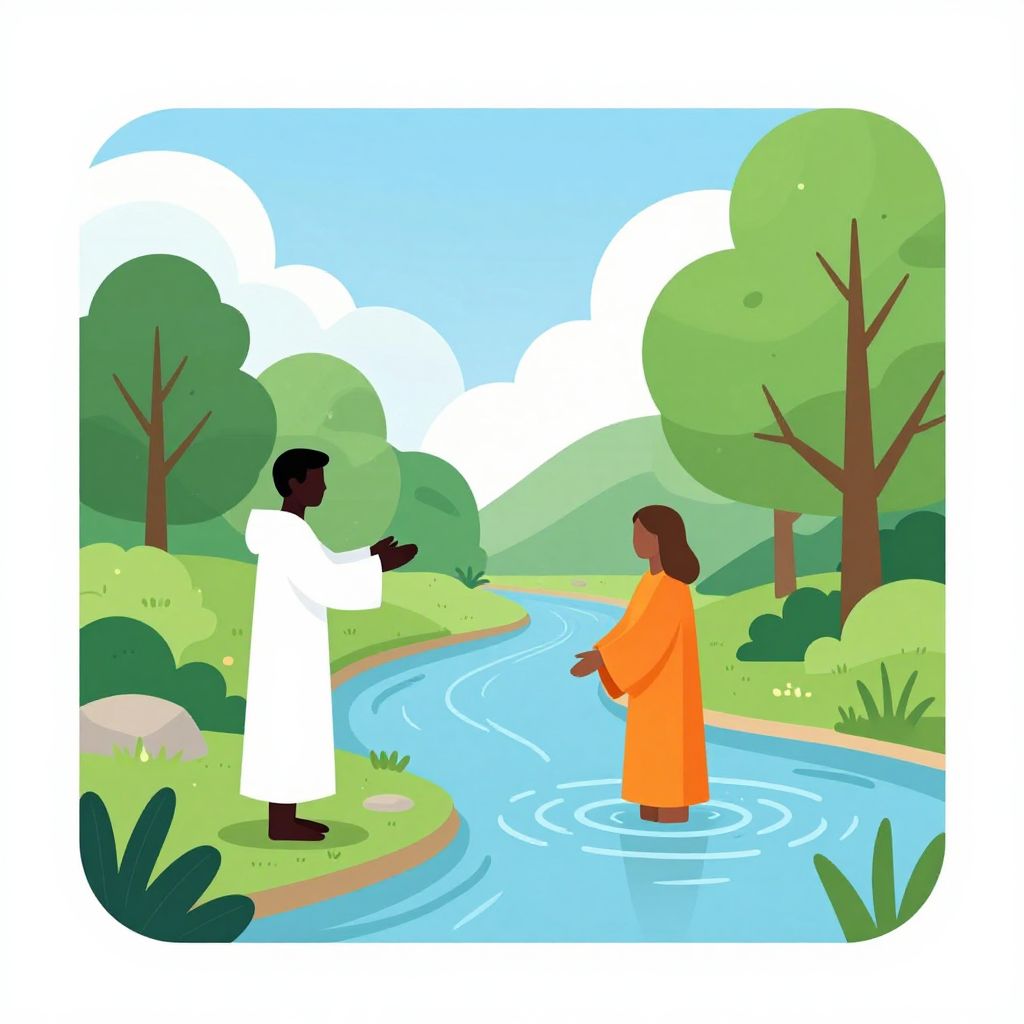
The question of who can baptize you often surfaces during discussions of faith. Many seek clarity on this vital practice that marks the beginning of a believer’s journey in Christ. Scripture provides guidance on this important topic, deeply connecting the act of baptism with the work of the church and the authority given by Jesus.
This article explores who can perform baptisms according to the Bible, emphasizing that baptism is more than a ritual; it symbolizes a profound commitment to follow Christ. Understanding the biblical perspective on baptism can help you approach this momentous step with confidence and clarity.
Who Can Baptize You According To The Bible?
According to the Bible, anyone who has experienced the saving grace of Jesus Christ and has been given authority can baptize others. This includes spiritual leaders and every believer who wishes to share their faith. The essence of baptism focuses more on the act of obedience and faith than on the title of the individual performing it.
The Great Commission and Its Implications
In Matthew 28:19-20, Jesus commands His disciples, saying, “Go therefore and make disciples of all nations, baptizing them in the name of the Father and of the Son and of the Holy Spirit.” This directive highlights that all followers of Christ have a role in the act of baptism. It is a task given to the church as a whole, not just a select few.
When Jesus commissioned His disciples to baptize, He empowered them and by extension all believers to spread the gospel and to baptize others. This command carries a sense of urgency and purpose, reminding us that baptism signifies a believer’s identification with Jesus and the community of faith.
The Role of Church Leaders
While every believer has the ability to baptize, most churches designate certain leaders, such as pastors and elders, to perform baptisms in a formal setting. The scriptural precedent for this can be found in Acts 2:41, where the apostles performed baptisms as part of community worship. Church leaders often take on this responsibility to ensure proper teaching and guidance accompany the act of baptism.
These leaders offer support and instruction, helping candidates understand the significance of their decision. Their experience in teaching allows them to effectively convey the importance of baptism as an expression of faith.)
What About Laypersons?
Individuals outside of formal church leadership can also baptize others. In emergency situations, such as when someone is on their deathbed and desires baptism, any believer can carry out this sacred act. This reflects Jesus’ desire for all people to come to Him and be saved.
Consider the example of Philip and the Ethiopian eunuch found in Acts 8:36-39. After sharing the gospel, the eunuch expresses his desire to be baptized immediately. Philip, a layman, fulfills this request, demonstrating that baptism can occur outside formal church settings, affirming that any sincere follower of Christ can lead another into this commitment.
The Importance of Intent and Understanding
The person conducting the baptism must have a genuine faith in Christ and the proper understanding of what baptism represents. This underscores the importance of intention and understanding in the baptism process. A believer should seek to fulfill the command of Jesus faithfully and earnestly.
Matthew 3:6 illustrates this as John the Baptist baptized those who confessed their sins. The heart behind baptism matters tremendously, and those who baptize should aim to reflect the purpose outlined by Jesus: the repentance, cleansing of sins, and the public declaration of faith.
Understanding the Nature of Baptism
Understanding who can baptize also requires an understanding of what baptism represents. This act is not merely a formality; it symbolizes identification with Christ’s death, burial, and resurrection (Romans 6:3-4). This reality enhances the significance of who performs the baptism, reminding us that God’s grace is at work in the act.
Baptism as an Act of Obedience
Baptism is an important act of obedience, a command from Jesus to His followers. Every believer is called to take this step after placing their faith in Him. As mentioned in Acts 2:38, the apostle Peter instructed the people, “Repent and be baptized, every one of you, in the name of Jesus Christ for the forgiveness of your sins.” This obedience reflects a desire to follow Christ wholeheartedly.
The command to baptize captures the heart of discipleship and the call to walk in step with Jesus. The passion to share faith and the urgency to baptize demonstrates the deep connection every believer has with their commitment to Christ.
The Community Aspect of Baptism
Baptism serves as a powerful medium for confirming a believer’s membership in the community of faith. In Acts 2:41, we see that those who accepted Peter’s message were baptized, and about three thousand were added to their number that day. Baptism signifies both personal commitment to Jesus and an acknowledgment of the collective body of believers.
This reinforces that baptism isn’t simply about the individual; it’s a celebration of entering into fellowship with other believers. Whether done by a pastor or a fellow believer, the collective joy in baptism showcases the beauty of community in the family of God.
Considering the Baptism Process
Deciding to be baptized is an important step that should involve careful consideration. Before you seek baptism, reflect on these steps:
- Understand the meaning of baptism.
- Confirm personal faith in Jesus Christ.
- Discuss with a trusted leader or believer.
- Participate in preparation classes if offered.
- Attend a baptism service to grasp the communal aspect.
Engaging in these steps can help individuals prepare spiritually and emotionally for their baptism, ensuring they genuinely understand the significance of this public declaration of faith.
Common Questions Regarding Baptism
Can I Celebrate a Baptism Without a Pastor?
Yes, you can celebrate a baptism outside a formal church setting. In a scenario where a pastor isn’t available, any believer can conduct the baptism as long as they fulfill the necessary understanding of its significance and meaning. This showcases the flexibility in expressing faith and devotion within the family of God.
What About Infant Baptism?
Views on infant baptism vary across different Christian denominations. Some traditions practice it to symbolize God’s covenant, while others emphasize believer’s baptism, which requires a conscious confession of faith. Ultimately, the decision should come from a heart seeking God’s will and aligns with one’s understanding of Scripture.
Is It Necessary to Be Baptized to Be Saved?
Baptism is an important act of obedience but isn’t the sole factor in salvation. Ephesians 2:8-9 emphasizes salvation by grace through faith. While believers are encouraged to be baptized as a demonstration of their faith, it is faith alone that saves. Baptism expresses that faith publicly and signifies commitment to Christ.
What If I Was Baptized Before?
If you were baptized but later sought a deeper understanding of faith or changed your views, consider whether you want to reaffirm your commitment. Some choose to be baptized again as an expression of renewed faith. Evaluating your heart and motives is key, as is seeking counsel from mature believers.
The Heart of Baptism
Baptism goes beyond the act itself; it is rooted in the profound reality that Jesus loves us and calls us to Himself. This love compels believers to respond with obedience, movement toward Him, and participation in the community of faith. The identity formed in baptism is a beautiful gift that reflects the transformative work of the Holy Spirit.
Celebrating Individual Stories of Faith
Relating to ongoing baptism stories serves as an encouragement. Each baptism tells a story of God’s grace and redemption, emphasizing that transformation occurs as people come to faith. While many choose to do so within their church, celebrating those stories within your circle of influence can encourage deeper connections.
Inviting Others to Experience Baptism
Encouraging others toward baptism fosters spiritual growth within communities. When believers genuinely express the significance of baptism and share their experiences, it can ignite a desire for others to seek/understand this pivotal step. Organizing gatherings focused on sharing testimonies can cultivate enthusiasm and readiness around this important rite.
Conclusion: Embracing the Gift of Baptism
Baptism remains a beautiful symbol of obedience, faith, and commitment to Christ. Whether you choose to be baptized by a leader, friend, or family member, the essence lies in the heart that desires to follow Jesus. Reflect on what baptism means in the context of your faith journey and recognize its role in belonging to the family of God.
As you consider baptism, embrace its significance and invite others to join in the celebration of faith. Pursue conversations about baptism and make the commitment to share the gospel, knowing that God desires all to come to Him. May your journey lead you not only toward baptism but also a deeper relationship with your Savior.
Explore more faith-based topics and articles on baptism to further enhance your understanding. Check out Bible Verses About Baptism and find insights on what Scripture says with What Does the Bible Say About Baptism.