
Have you ever felt overwhelmed by the vastness of the Bible? Sometimes, it can feel like finding a needle in a haystack when searching for specific stories. The story of Moses stands out as one of the cornerstone narratives in Scripture, filled with profound lessons and divine encounters. Understanding where this story unfolds in the Bible enriches your faith and highlights God’s faithfulness across generations.
This article will guide you through the story of Moses, emphasizing the key chapters, themes, and lessons found in the books of Exodus, Leviticus, Numbers, and Deuteronomy. Exploring these texts demonstrates how God’s presence and purpose remain steadfast in our lives today.
Where Is The Story Of Moses In The Bible?
The story of Moses is primarily found in the books of Exodus (chapter 1 to 40), Leviticus (chapters 1 to 27), Numbers (chapters 1 to 36), and Deuteronomy (chapters 1 to 34). These passages narrate Moses’s journey from birth to leadership, including key events like the Exodus from Egypt and the giving of the Law at Mount Sinai.
The Birth and Early Life of Moses
The story of Moses begins in Exodus 1, where we encounter the oppression of the Israelites in Egypt. The Pharaoh, fearing the growing population of Israelites, orders the death of all newborn Hebrew boys. Moses’s mother, Jochebed, defies this edict. She places him in a basket and sets it afloat on the Nile River (Exodus 2:1-3).
Pharaoh’s daughter discovers Moses and raises him as her own (Exodus 2:5-10). This moment is critical since Moses grows up with the privileges of an Egyptian prince. However, he is aware of his heritage. He witnesses an Egyptian beating a Hebrew slave and, in anger, kills the Egyptian (Exodus 2:11-12).
Fearing for his life, Moses flees to Midian, where he marries Zipporah and lives as a shepherd (Exodus 2:15-22). In this time away from Egypt, God prepares Moses for the monumental task ahead.
The Burning Bush
Moses encounters God in a remarkable way when he sees a burning bush that is not consumed by fire (Exodus 3:1-3). Here, God calls Moses to lead the Israelites out of Egypt. God reveals His name to Moses as “I AM,” signifying His eternal nature and sovereignty (Exodus 3:14).
This moment marks a turning point in Moses’s life. God reassures Moses of His presence, even when Moses raises objections about his capabilities (Exodus 3:11; 4:10). God equips Moses with signs and his brother Aaron to assist him (Exodus 4:1-17).
The Plagues and the Exodus
Moses returns to Egypt, and through a series of ten devastating plagues, God demonstrates His power over Pharaoh and the Egyptian gods (Exodus 7-12). Each plague challenges an aspect of Egyptian life and worship, emphasizing that the God of Israel is the true God.
The final plague, the death of the firstborn, leads to the Passover (Exodus 12:1-30). God instructs the Israelites to mark their doorposts with the blood of a lamb, saving them from death. This act of faith foreshadows Christ’s ultimate sacrifice.
After the final plague, Pharaoh finally releases the Israelites (Exodus 12:31-32). The story continues as they depart from Egypt, showcasing God’s leading presence through pillars of cloud and fire (Exodus 13:21-22).
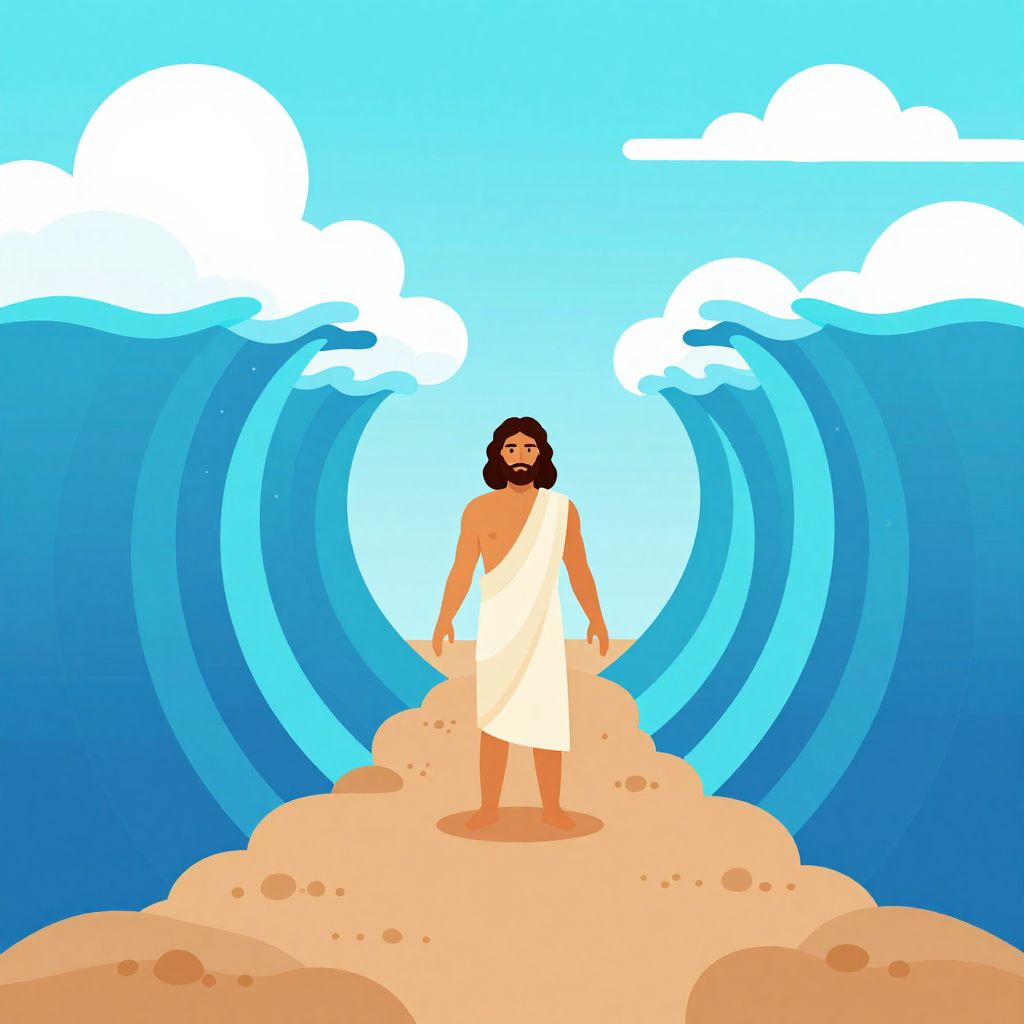
The miraculous crossing of the Red Sea (Exodus 14:1-31) serves as a vivid illustration of God’s deliverance. It establishes Moses as God’s chosen leader and solidifies the Israelites’ understanding that their rescue was a direct act of God.
The Journey to Sinai
After leaving Egypt, the Israelites face challenges in the wilderness. They encounter hunger and thirst, leading God to provide manna and quail (Exodus 16:1-36) and water from a rock (Exodus 17:1-7). Moses serves as a mediator between God and the people, representing their needs and complaints.
In Exodus 19, the people arrive at Mount Sinai. God calls Moses to ascend the mountain, where He reveals the Ten Commandments (Exodus 20:1-17). These commandments outline God’s expectations for living in relationship with Him and one another.
After delivering the Law, Moses spends forty days on the mountain receiving further instruction on the covenant and the building of the tabernacle (Exodus 25-31). This space symbolizes God’s dwelling among His people.
While Moses is on the mountain, the Israelites grow impatient and persuade Aaron to make a golden calf as an idol (Exodus 32:1-6). This act of rebellion leads to severe consequences. Moses intercedes for the people, pleading with God to forgive them (Exodus 32:9-14).
Upon returning, witnessing the idolatry, Moses breaks the tablets containing the commandments in anger (Exodus 32:19). This moment reflects the seriousness of sin and the need for repentance. Moses then returns to God, fasting and pleading for reconciliation (Exodus 34:1-9).
God’s renewal of the covenant demonstrates His mercy and faithfulness. Moses receives new tablets and the assurance of God’s presence moving forward (Exodus 34:10-28).
The books of Leviticus and Numbers detail additional instructions and laws for the people, such as sacrificial systems, priesthood, and guidelines for living as God’s chosen people. These laws establish a framework for holiness and community (Leviticus 11:44).
As Moses leads the Israelites through the desert, they face trials, but he remains a steady leader. Numbers provides accounts of their journey, including instances of rebellion, such as the story of Korah’s rebellion (Numbers 16) and the request for meat leading to God sending quail (Numbers 11:4-34).
(“Quail for dinner sounds like a feast until you realize it rains birds for days. Who knew God’s provisions came with a side of quail overload?”)
Moses’s leadership is marked by both triumphs and challenges. He learns to balance the demands of leadership by appointing elders to share the burdens (Exodus 18:13-27). This principle teaches leaders today about the importance of delegation and seeking wise counsel.
The Israelites’ doubts and complaints often test Moses’s patience, yet he consistently seeks God’s guidance. When faced with a severe lack of faith among the people, he intercedes with fervor (Numbers 14:11-19).
Deuteronomy serves as a restatement of the Law, preparing the new generation of Israelites to enter the Promised Land. Moses emphasizes the importance of remembering God’s faithfulness and obedience to His commands (Deuteronomy 5:1). He addresses the heart of the people, urging them to love the Lord with all their heart and soul (Deuteronomy 6:4-5).
The last chapter of Deuteronomy recounts Moses’s death at Mount Nebo (Deuteronomy 34:5). God allows Moses a glimpse of the Promised Land, reinforcing that although he would not enter, his faithful leadership would have lasting impacts.
The significance of Moses transcends his life. He embodies the aspirations of God’s people for deliverance and guidance. His unwavering faith, obedience, and prophetic leadership highlight God’s plan for redemption.
Just as Moses interceded for Israel, Jesus Christ fulfills the role of mediator, offering eternal life and guidance. Moses’s journey invites believers today to trust in God’s promises, even in uncertainty.
The life of Moses provides vital lessons for our spiritual walk:
- Trust God’s plans, even when they seem daunting.
- Seek God’s guidance through prayer, as Moses did.
- Remember that God can use anyone, despite their past.
- Value community and shared burdens, just as Moses learned.
- Embrace God’s merciful nature and be ready to repent.
Conclusion
The story of Moses reminds believers of God’s unwavering faithfulness. From his miraculous birth to leading the Exodus, Moses serves as an example of faithful obedience and intercession. As we reflect on his life, let us embody these lessons in our daily walks with Christ.
May we approach God’s presence with reverence, seeking to obey His commands and love others. In whatever wilderness you face today, remember God is with you, just as He was with Moses.
As you continue exploring your faith, consider delving deeper into related topics. Discover where the Bible calls us to bless Israel through this article, and learn how to effectively read and understand the Bible with practical guidance found here.