
The aroma of ghee and cumin hitting a pot of simmering rice and lentils is pure comfort—it’s the smell of home, healing, and something your body recognizes as nourishment before you even take the first bite.
Khichdi is India’s answer to a one-pot meal that works equally well for a sick day, a busy weeknight, or when you crave something warm and deeply satisfying without fuss. This humble dish combines rice, lentils, and spices into something that tastes far more luxurious than its simplicity suggests.
What makes khichdi special is its versatility and digestibility. It’s light enough to soothe an upset stomach yet filling enough to be a complete meal with protein and carbs in one bowl.
Why You’ll Love This Recipe
Khichdi delivers comfort and nutrition in under 30 minutes with minimal effort and cleanup.
- One-pot meal that requires just a handful of pantry staples.
- Naturally vegetarian and works beautifully for vegan diets with ghee swapped for oil.
- Perfect for meal prep because it reheats seamlessly and tastes even better the next day.
- Packed with protein and fiber from lentils and rice, keeping you satisfied for hours.
- Mild spicing makes it suitable for all ages and digestion-sensitive palates.
My Experience Making This Recipe
I grew up watching my grandmother make khichdi on rainy afternoons, and I honestly thought she was being lazy until I realized she was being smart. A pot, a flame, and thirty minutes later, we had something that tasted like she’d been stirring it all day.
The first time I made it for my own family during a bout of food poisoning, I watched someone actually smile while eating. That’s when I knew this recipe was doing something right beyond just feeding people.
Now I make it at least twice a month, and I’ve tweaked the spice ratios and cooking times to get the texture exactly right. The soft, creamy consistency you get when the rice and lentils break down slightly is what separates good khichdi from great khichdi.
Recipe Overview
- Recipe Name: Classic Khichdi
- Servings: 4
- Prep Time: 10 minutes
- Cook Time: 25 minutes
- Total Time: 35 minutes
- Course: Main Dish
- Cuisine: Indian
- Calories per Serving: 240
Equipment You Will Need
- Large heavy-bottomed pot with a lid (3 to 4 quart capacity)
- Measuring cups and spoons
- Wooden spoon or spatula for stirring
- Fine mesh strainer for rinsing rice and lentils
- Knife for slicing onions and ginger
- Cutting board
Ingredients for Khichdi
- Basmati rice: 1 cup, rinsed
- Moong dal (yellow lentils): 1/2 cup, rinsed
- Ghee: 3 tablespoons
- Cumin seeds: 1 teaspoon
- Asafetida (hing): 1/4 teaspoon
- Turmeric powder: 1/2 teaspoon
- Ginger: 1 tablespoon, minced
- Green chilis: 1 to 2, minced (optional, for heat)
- Onion: 1 small, finely diced
- Water: 5 cups
- Salt: to taste
- Fresh cilantro: 2 tablespoons, chopped (for garnish)
Ingredient Notes and Substitutions
- Moong dal: Split yellow lentils add protein and cook down smoothly into the rice. You can substitute with split urad dal for a slightly earthier flavor, though cooking time may vary by a few minutes.
- Basmati rice: Long-grain basmati gives khichdi its light, separate texture and mild aroma. Short-grain white rice works but produces a stickier consistency that some prefer but others find mushy.
- Ghee: Clarified butter adds richness and helps rice grains stay separate during cooking. Use neutral oil like coconut or vegetable oil if dairy-free, though the flavor will be slightly different.
- Asafetida (hing): This pungent spice aids digestion and prevents gas from lentils while adding savory depth. If unavailable, simply omit it, though your khichdi will lack its characteristic flavor note.
- Turmeric: Adds warmth, color, and anti-inflammatory benefits that make khichdi healing food. You can reduce it to 1/4 teaspoon for a milder golden color.
How to Make Khichdi
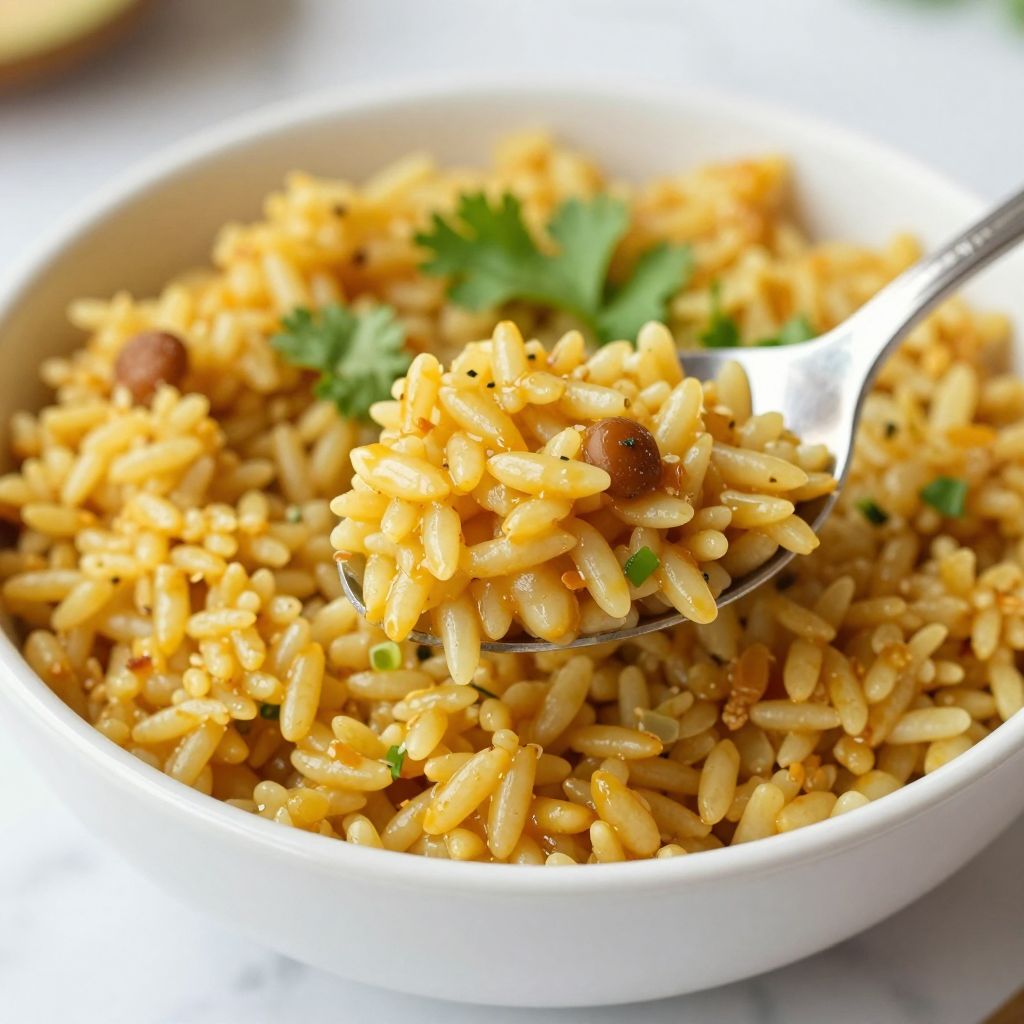
Step 1: Rinse the Rice and Lentils
Place your rice and moong dal in a fine mesh strainer and rinse under cool running water for about one minute, stirring gently with your fingers. This removes excess starch and dust, which helps the final dish cook evenly without becoming gluey.
Step 2: Heat the Ghee
Pour 3 tablespoons of ghee into your pot and heat over medium heat for about 30 seconds until it melts and shimmers slightly. The ghee should be hot enough to sizzle when you add the spices, which means it’s ready to bloom the aromatics.
Step 3: Add Cumin Seeds and Asafetida
Add the cumin seeds to the hot ghee and let them crackle and turn fragrant for about 15 seconds, then immediately add the asafetida powder. Asafetida can burn quickly, so work fast to get it into the oil before it chars and becomes bitter.
Step 4: Add Aromatics
Add the minced ginger, diced onion, and green chilis (if using) to the pot and stir constantly for 2 to 3 minutes until the onions turn translucent and soft. The ginger and onion create a flavorful base that seasons the entire dish as it cooks.
Step 5: Add Turmeric and Stir
Sprinkle in the turmeric powder and stir well for about 30 seconds to coat all the aromatics. This step, called blooming the spice, releases turmeric’s warm, earthy flavor throughout the ghee.
Step 6: Add Rice and Lentils
Pour in the rinsed rice and moong dal and stir constantly for 2 minutes, coating everything in the ghee and spice mixture. Toasting the rice and lentils lightly adds a subtle nutty flavor and helps them cook more evenly.
Step 7: Add Water and Salt
Pour in 5 cups of water and add salt to taste, starting with about 1 teaspoon and adjusting later if needed. The ratio of water to rice and lentils is crucial for the right consistency, so use a measuring cup rather than eyeballing it.
Step 8: Bring to a Boil
Increase the heat to high and let the mixture come to a rolling boil, stirring occasionally to prevent sticking at the bottom. Once you see steam rising vigorously, you know the liquid is hot enough to cook the rice and lentils properly.
Step 9: Reduce Heat and Simmer
Reduce the heat to low and place the lid on the pot, leaving it slightly ajar to allow steam to escape slowly. Simmer for 20 to 25 minutes without stirring, checking occasionally to ensure nothing is sticking to the bottom.
Step 10: Check for Doneness
After 20 minutes, lift the lid and check if the rice and lentils are completely soft and the grains have broken down slightly into a creamy consistency. The mixture should look like risotto with visible grains but with a porridge-like texture underneath.
Step 11: Adjust Seasoning and Consistency
Taste a spoonful and adjust salt if needed. If the khichdi seems too thick, stir in a splash of warm water a little at a time until you reach your preferred consistency.
Step 12: Serve
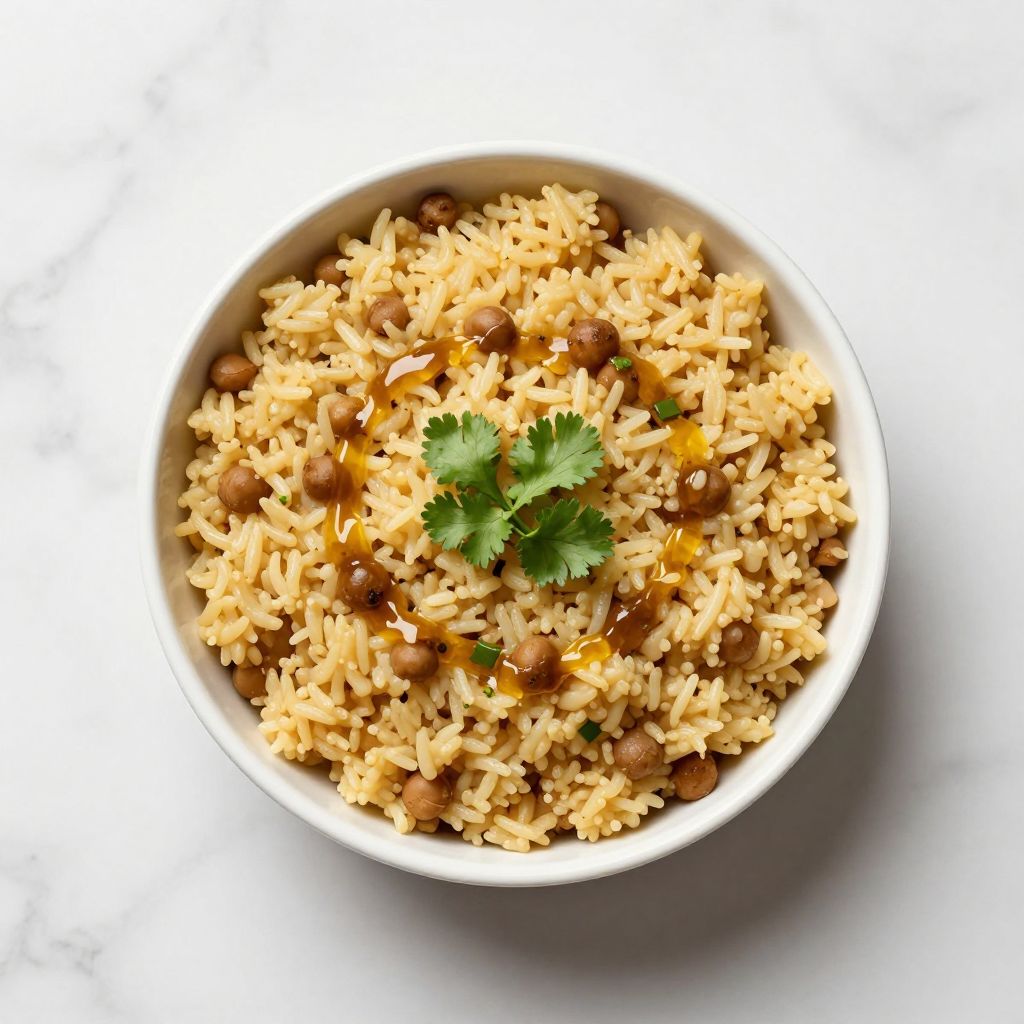
Transfer the khichdi to serving bowls and garnish with fresh chopped cilantro and an extra drizzle of ghee if desired. Serve hot with yogurt, a squeeze of lemon juice, or pickle on the side.
Pro Tip: The key to perfect khichdi is using the correct water-to-grain ratio and not stirring once the lid goes on, which allows steam to cook the grains evenly and keeps them from breaking apart too much.
Tips for the Best Khichdi
- Rinse your rice and lentils thoroughly before cooking to remove excess starch that can make the dish mushy. Even 30 extra seconds of rinsing makes a noticeable difference in texture.
- Use a heavy-bottomed pot that conducts heat evenly, which prevents scorching on the bottom while keeping the top layers cooking gently. Thin pots create hot spots that burn the rice.
- Don’t skip toasting the rice and lentils in ghee for those first 2 minutes. This step adds flavor and helps each grain cook separately instead of clumping together.
- Keep the heat low after the boil and resist the urge to stir once the lid is on. Stirring releases starch and makes the mixture gluey.
- If you prefer a creamier khichdi, use slightly less water (4.5 cups) so the rice and lentils break down more and merge into a porridge-like texture. If you want it brothier, add up to 5.5 cups of water.
Common Mistakes to Avoid
- Using unwashed rice and lentils creates a thick, paste-like consistency instead of the light, separate grains you want. Always rinse both thoroughly under cool water.
- Cooking on high heat after the initial boil causes the bottom to burn while the top remains undercooked. Low heat and a covered pot are non-negotiable.
- Stirring too frequently while it cooks releases starch and breaks down the grains into mush. Let it sit undisturbed under the lid.
- Adding too little water results in dry, hard grains that won’t soften properly even with extra cooking time. Measure your water carefully using a cup.
- Skipping the spice-blooming step leaves you with flat, one-dimensional flavor instead of the warm, complex taste that makes khichdi special. Take the time to toast your aromatics properly.
Serving Suggestions
Khichdi tastes wonderful on its own but becomes a complete meal with simple accompaniments that add texture and flavor contrast.
- Serve with a dollop of plain yogurt on top and a squeeze of fresh lemon juice for tangy brightness.
- Pair with a crispy papadum and spicy mango pickle to add crunch and heat alongside the soft khichdi.
- Add a side of lightly sauteed spinach or other greens to boost nutrition and add color to the plate.
- Serve with a simple cucumber and tomato salad dressed with a pinch of salt and fresh cilantro.
- Top with crispy fried onions and a sprinkle of roasted cashews for added texture and richness.
Variations to Try
- Vegetable Khichdi: Stir in 1 cup of mixed diced vegetables like carrots, peas, and green beans during the cooking process. The vegetables soften along with the rice and lentils, adding nutrition and subtle sweetness.
- Spiced Khichdi: Add 1/2 teaspoon of cumin powder, a pinch of cinnamon, and 2 to 3 crushed cardamom pods for a more aromatic, warming version. This variation is particularly comforting during cold weather.
- Coconut Khichdi: Replace 1 cup of water with coconut milk and add a few curry leaves for a creamier, tropical version. This pairs beautifully with fresh cilantro and a squeeze of lime.
- Tadka Khichdi: After cooking, prepare a separate tempering of ghee, dried red chilies, cumin seeds, and curry leaves, then pour it over the finished khichdi for extra texture and spice. This adds a crispy, flavorful element that contrasts with the soft base.
- Dal-Heavy Khichdi: Increase the moong dal to 3/4 cup and reduce rice to 3/4 cup for a protein-packed version with a creamy texture. This version is especially good for muscle recovery or if you’re eating khichdi as your sole meal.
Dietary Adaptations
- Gluten-Free: Khichdi is naturally gluten-free as long as you use pure basmati rice and moong dal without any additives. Always verify your spice blends are certified gluten-free if you have celiac disease.
- Dairy-Free: Replace ghee with coconut oil or neutral vegetable oil in the same amount. The flavor will be milder and less rich, but the dish remains completely satisfying and nourishing.
- Vegan: Use plant-based oil instead of ghee and skip any yogurt toppings, using coconut cream or cashew cream instead. The base recipe is fully vegan-friendly without any modifications to cooking technique.
- Low-Carb or Keto: Khichdi is naturally higher in carbs due to rice and lentils, making it unsuitable for strict keto diets. You could reduce portions and increase vegetables, but this fundamentally changes the dish.
Storage and Reheating
Refrigerator
Store leftover khichdi in an airtight container and refrigerate for up to 4 days. The flavors actually deepen slightly as it sits, making day-old khichdi taste even better.
- Cool the khichdi completely before covering to prevent condensation and sogginess.
- Store separately from any yogurt or pickle garnishes to keep them fresh.
Freezer
Khichdi freezes beautifully for up to 3 months in airtight freezer containers. Portion it into individual servings before freezing for easy grab-and-go meals.
- Leave a small amount of headspace in the container to allow for expansion as it freezes.
- Thaw overnight in the refrigerator before reheating.
Reheating
Reheat khichdi gently on the stovetop or microwave, adding a splash of water or broth to restore the creamy consistency. Microwave reheats faster, but stovetop heating over low heat with a lid gives you more control.
- Stovetop: Add 2 to 3 tablespoons of water and heat over low heat, stirring occasionally for 3 to 5 minutes.
- Microwave: Add a splash of water, cover loosely, and heat on 50% power for 2 to 3 minutes, stirring halfway through.
- Never use high heat when reheating, as this dries out the dish and can cause burning on the bottom.
Nutrition Information
| Nutrient | Amount |
|---|---|
| Calories | 240 |
| Total Fat | 11 grams |
| Saturated Fat | 6 grams |
| Carbohydrates | 32 grams |
| Fiber | 2 grams |
| Sugar | 1 gram |
| Protein | 7 grams |
| Sodium | 480 milligrams |
| Cholesterol | 22 milligrams |
These values are approximate and vary based on exact ingredient brands and portion sizes. Nutritional data is calculated using standard USDA databases for rice, lentils, and ghee.
Frequently Asked Questions
Can I Use Different Types of Lentils?
Moong dal cooks down smoothly and blends seamlessly with rice, making it the traditional choice. Other lentils like red lentils or toor dal work but have different cooking times and textures, so you may need to adjust water ratios and cooking time by 5 to 10 minutes.
Is Khichdi Good for Digestion?
Yes, khichdi is specifically designed in Ayurvedic cooking as a healing, easily digestible meal. The soft texture, warm spices like turmeric, and the combination of rice and lentils make it gentle on the stomach while still providing complete protein and nutrition.
Can I Make Khichdi in an Instant Pot?
Absolutely, use the high pressure setting for 8 to 10 minutes on an electric pressure cooker, then allow natural release for 5 minutes. Follow the same basic recipe but use slightly less water (4.5 cups) to account for faster cooking and less evaporation.
Why Is My Khichdi Mushy?
Over-stirring during cooking and using too much water are the main culprits. Try reducing water to 4.5 cups, rinsing your grains more thoroughly, and resisting the urge to stir once the lid goes on.
Can Khichdi Be Made Without Ghee?
Yes, use any neutral oil like coconut, vegetable, or sesame oil in the same amount. The final dish will be slightly less rich and aromatic, but it will still taste delicious and satisfying.
How Long Does Khichdi Take to Digest?
Khichdi typically takes 2 to 3 hours to digest completely due to its soft texture and the combination of easily digestible rice and lentils. This makes it an ideal meal before or after exercise, or when your digestive system needs a break.
Final Thoughts
Khichdi might look simple on the surface, but it’s one of those dishes that rewards your attention with warmth, flavor, and genuine nourishment. Once you master the basic technique, you’ll find yourself making it constantly for everything from easy weeknight dinners to comfort food during difficult times.
Give this recipe a try and discover why khichdi has been feeding families across India for centuries. Your body and your taste buds will thank you.
Ready to explore more wholesome Indian comfort food? Try our toor dal recipe for another protein-packed staple, or check out our moong dal recipe for a lighter lentil dish that works beautifully alongside khichdi or on its own.
Classic Khichdi
Ingredients
Equipment
Method
- Rinse 1 cup basmati rice and 1/2 cup moong dal under cold running water for about one minute to remove excess starch.
- Heat 3 tablespoons ghee in a large pot over medium heat for about 30 seconds until it shimmers.
- Add 1 teaspoon cumin seeds and let them crackle for 15 seconds, then quickly stir in 1/4 teaspoon asafetida.
- Add 1 tablespoon minced ginger, 1 small finely diced onion, and minced green chilis if using; sauté for 2 to 3 minutes until the onions turn translucent.
- Sprinkle in 1/2 teaspoon turmeric powder and stir for 30 seconds to bloom the spice.
- Add the rinsed rice and lentils and stir constantly for 2 minutes to lightly toast them.
- Pour in 5 cups water and season with salt to taste (about 1 teaspoon), stirring to combine.
- Increase heat to high and bring the mixture to a rolling boil, stirring occasionally to prevent sticking, about 5 minutes.
- Reduce the heat to low, cover the pot slightly ajar, and simmer for 20 to 25 minutes without stirring.
- After 20 minutes, lift the lid and check that the rice and lentils are soft and creamy, with a porridge-like consistency.
- Taste and adjust salt as needed; if the khichdi is too thick, stir in a splash of warm water until you reach the desired consistency.
- Garnish with 2 tablespoons chopped fresh cilantro and an extra drizzle of ghee if desired. Serve hot with yogurt, lemon juice, or pickle on the side.