
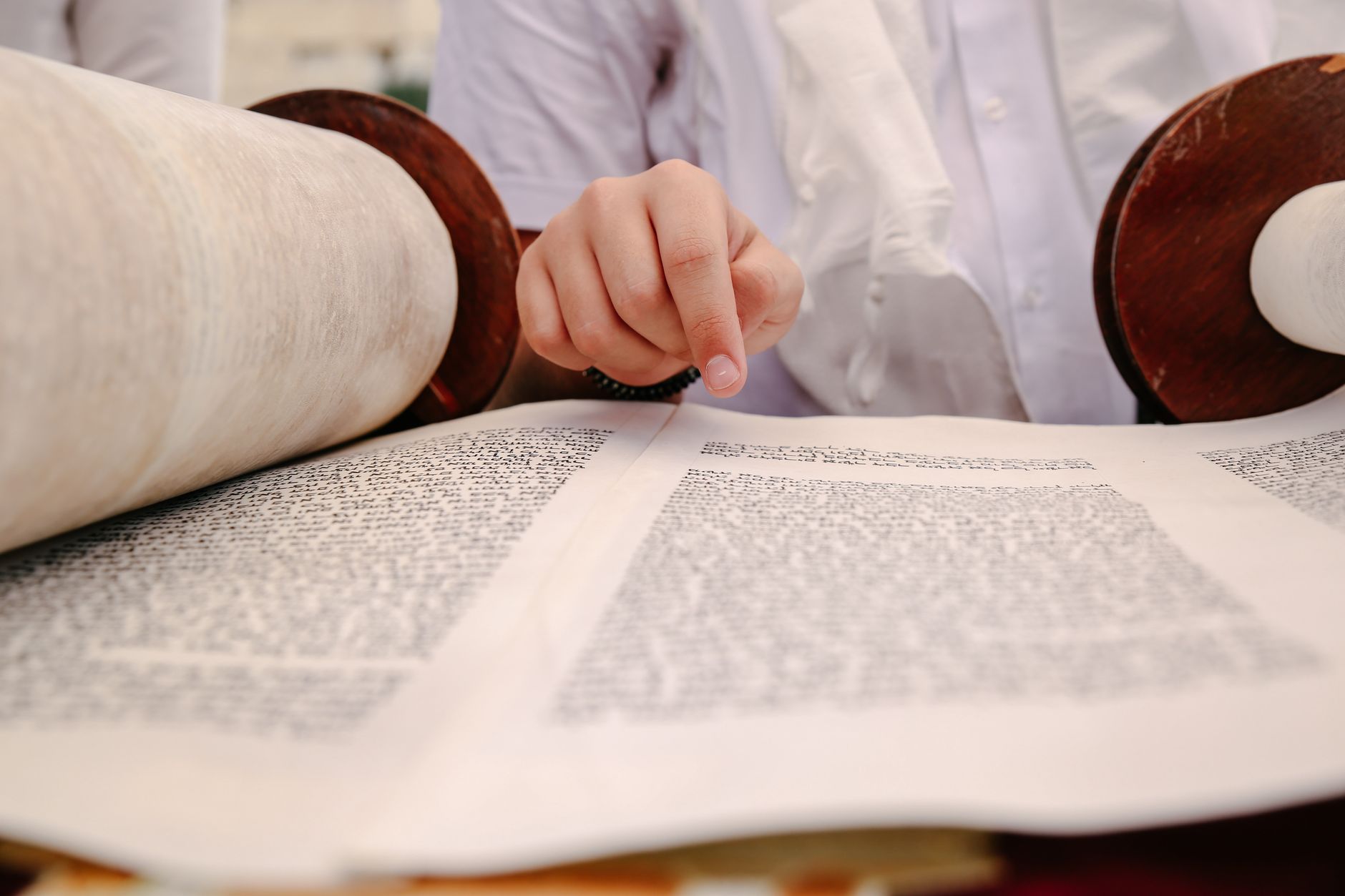
Abraham, a pivotal figure in the Bible, is celebrated as the father of faith in Judaism, Christianity, and Islam. His lifespan and the timing of his death offer insights into biblical history and theological teachings. Understanding how old Abraham was when he died not only satisfies curiosity but deepens faith and religious understanding.
This exploration considers various biblical texts, interpretations, and their implications for believers today. By examining Abraham’s life and the significant ages noted in scripture, we can reflect on the spiritual lessons his story imparts.
How Old Was Abraham in the Bible When He Died?
According to the Bible, Abraham died at the age of 175 years. This detail is recorded in the book of Genesis, specifically Genesis 25:7-8. The narrative reiterates his notable legacy as the patriarch of multiple nations and the father of many descendants.
Understanding Abraham’s Life
To appreciate the significance of Abraham’s age at death, it’s essential to understand key moments in his life documented throughout the scriptures.
His Call and Journey
Abraham, originally Abram, was called by God to leave his homeland in Ur of the Chaldeans. This call marked the beginning of his journey of faith, which included moving to Canaan, where he would become the patriarch of God’s chosen people. His age at this calling provides context for his life span and the covenant established with God.
The Covenant with God
In Genesis 17, God establishes a covenant with Abraham, promising to make him the father of many nations. Abraham’s relationship with God develops as he faces various challenges and tests of faith. This covenant is central to the narratives of Judaism, Christianity, and Islam, aiming to show the faithfulness of God through generations.
Family and Legacy
Abraham’s family plays a critical role in his story. He and his wife Sarah had a son, Isaac, at a considerably advanced age, which reflects the miraculous aspects of his life. Isaac would continue the lineage that leads to the Israelites, fulfilling God’s promise of numerous descendants.
The Biblical Texts and Their Interpretations
Different faith traditions interpret biblical narratives, including those surrounding Abraham’s life, through various lenses. Below are some interpretations stemming from the biblical texts.
Hebrew Bible (Tanakh)
In Judaism, the Tanakh emphasizes Abraham’s significance as the first Jew and a model of obedience to God’s commandments. His life illustrates faithfulness and the consequences of societal actions, relevant to Jewish teachings on ethics and morality.
Christianity
Christians view Abraham as a foundational figure, showcasing the concept of faith. In the New Testament, Paul refers to Abraham in Romans 4, explaining that it was Abraham’s faith, not his works, that justified him before God. This theological interpretation underscores the belief in grace and faith in Christ.
Islam
In Islam, Abraham (Ibrahim) is considered one of the prophets. His dedication and sacrifice are celebrated during the festival of Eid al-Adha. Islamic tradition emphasizes his role as a monotheist and an example of submission to God, highlighting the Islamic values of faith and trust.
Significance of Abraham’s Age at Death
Abraham’s age at death—175 years—can be understood symbolically and literally, offering many lessons for spiritual growth.
Symbolic Meanings
- Completeness: The number 175 can be viewed as a symbol of completeness and fulfillment. Many interpret Abraham’s life journey as embodying divine purpose, showing how faith can lead to extended blessings.
- Faithfulness: Living to a ripe old age, Abraham experienced the fulfillment of God’s promises, reinforcing themes of faithfulness and hope that resonate deeply within different faith traditions.
- Interconnectedness: Abraham’s numerous descendants represent the vast interconnections within the family of faith and the diverse religious narratives stemming from him.
Lessons for Today
Abraham’s life and his age at death can serve as a source of inspiration for modern believers. Key reflections include the following:
- Embrace Faith’s Journey: Just as Abraham embarked on a journey initiated by divine call, individuals today can embrace their own spiritual journeys, trusting in divine guidance.
- Commitment to Community: Abraham’s legacy lays a foundation for community and ethical living, which prompts questions about how individuals can contribute to the broader community.
- Living with Purpose: Reflecting on the significant years in Abraham’s life encourages believers to examine their own lives, considering how they can live faithfully and purposefully.
Theological Reflections
Different theological perspectives shape the understanding of Abraham’s life and death, intertwining faith with ethical teachings and spiritual growth. Below are some theological reflections.
Covenantal Theology
Covenantal theology emphasizes the relationships established in the Bible. Abraham’s covenant with God signifies an ongoing promise that informs the faith of millions today. This theology deeply influences how adherents view their relationship with God and the responsibilities bestowed upon them.
Faith and Works
The discourse regarding faith versus works, as seen in the interpretations of Abraham’s life, forms an essential aspect of many religious teachings. The emphasis on faith, as demonstrated in Abraham’s life, reminds believers of the significance of inner conviction and spiritual dedication over mere outward observance.
Ethics and Morality
Abraham’s ethical decisions throughout life, including the test of sacrificing Isaac, prompt deep reflections on morality. These narratives challenge believers to consider their own moral dilemmas and develop ethical frameworks grounded in faith.
Practical Spiritual Exercises
To deepen one’s understanding of Abraham’s life and legacy, consider implementing the following practical spiritual exercises.
- Daily Reflection: Spend time each day reflecting on moments of faith in your life. Consider how God may be calling you and what lessons you can learn from your own journey.
- Scriptural Reading: Engage with the biblical text, focusing on the passages that narrate Abraham’s life. Consider journaling thoughts or insights that arise during your reading.
- Community Discussion: Find a small group or community of faith where discussions about figures like Abraham can unfold. Sharing perspectives can deepen understanding and foster community.
Conclusion
Understanding how old Abraham was when he died enriches our appreciation of his life and its impact on religious traditions. Abraham serves as a model of faith, obedience, and the complexities of life. His narrative continues to inspire believers across generations to engage in their spiritual journeys with purpose and commitment.
As you reflect on Abraham’s story, consider exploring further insights about food and its significance in faith by reading more about Bible verses about food and prayers for food. Each text carries layers of meaning that enrich our spiritual lives and connections to tradition.