
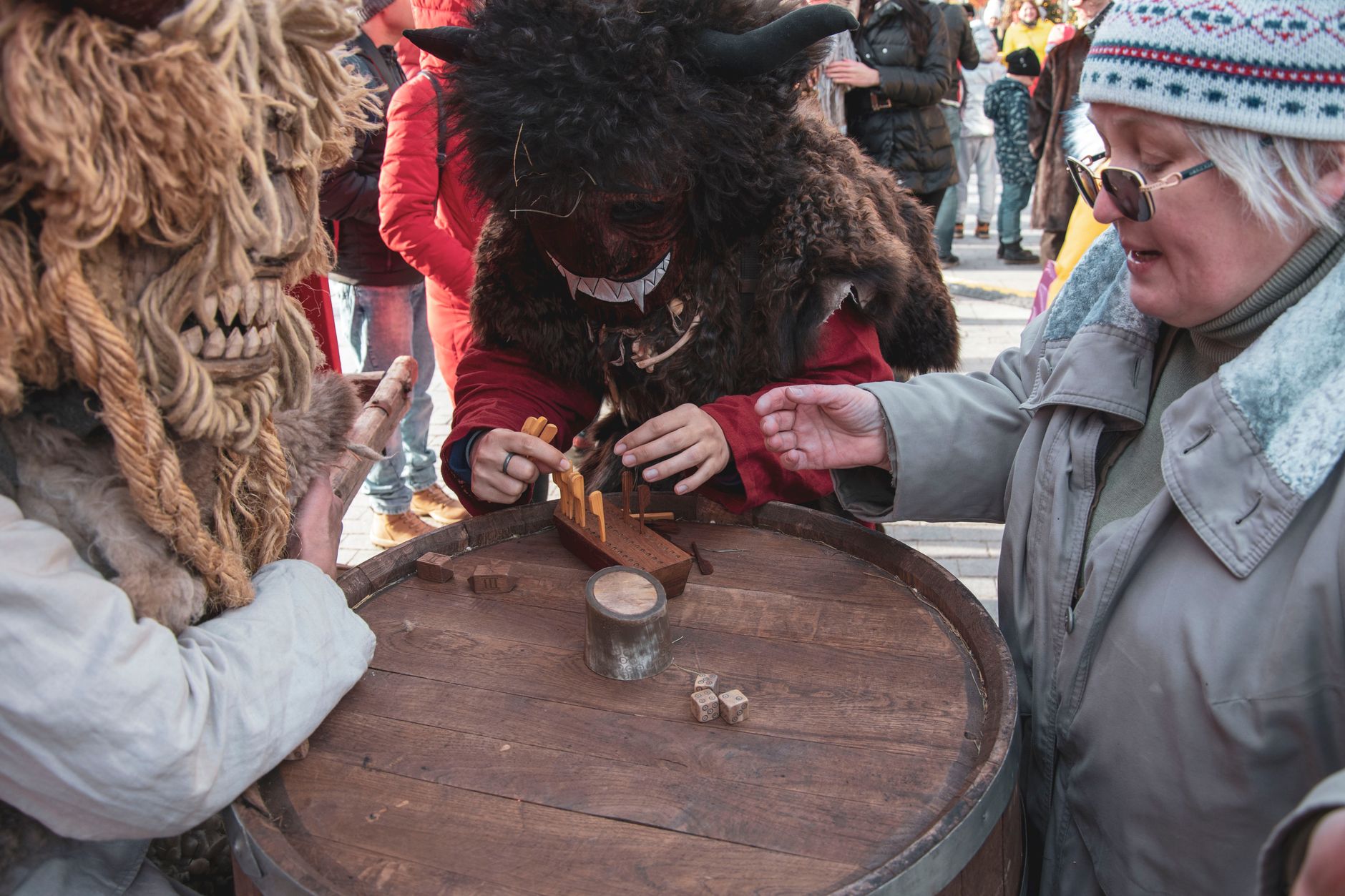
Throughout history, the blending and clashing of religious and cultural practices have given rise to a variety of holidays, some of which are considered pagan by various religious traditions. Understanding these holidays, especially from a biblical perspective, can provide insight into their origins, significance, and the contemporary practices that have evolved from them. This article delves into the concept of pagan holidays according to the Bible, exploring their meanings and the influence they may have had on modern celebrations.
Pagan holidays, defined broadly, are festivals that arise from polytheistic or nature-based spiritual beliefs and practices. In the Biblical context, these are often viewed critically, as the Bible frequently encourages worship and observance of only one deity and warns against idolatry. This article provides an overview of several significant pagan holidays, their origins, and how they relate to biblical scripture, while also considering the influence of these practices on contemporary festivities.
What Are Pagan Holidays According to the Bible?
Pagan holidays are recognized within the Bible primarily in relation to the worship of other gods and the practices surrounding those celebrations. The term “pagan” itself refers to beliefs or rituals that diverge from monotheistic faiths, particularly those that worship multiple deities. Within the biblical text, most notably in the Old Testament, there are clear admonitions against these practices.
Some common features of pagan holidays as depicted in the Bible include:
- Worship of multiple gods or idols
- Rituals that include sacrifices, both animal and human in extreme cases
- Celebrations based on seasonal changes or agricultural cycles
- Festivals that may involve feasting, drunkenness, or other forms of excess
Key Pagan Holidays Mentioned in the Bible
Several specific pagan holidays are referenced throughout the scriptures. Here we discuss a few notable examples.
The Festival of Baal
Baal, a prominent deity in ancient Near Eastern religions, was often associated with storms, fertility, and agriculture. His worship included elaborate festivals marked by feasting and ceremonial rituals, many of which were strictly condemned in the Bible.
In the Book of 1 Kings, the prophet Elijah confronts the prophets of Baal during a contest to demonstrate whose god is more powerful. This narrative underscores the tension between the Israelite faith and the surrounding pagan practices. Elijah’s triumph represents a reaffirmation of fidelity to Yahweh and a rejection of Baal worship.
The Golden Calf
Another significant narrative is the worship of the Golden Calf (Exodus 32). After Moses receives the Ten Commandments, the Israelites, fearing abandonment, create an idol in the shape of a calf to which they offer sacrifices and engage in revelry. This event represents a direct violation of the commandments that prohibit idolatry and set a precedent for the condemnation of pagan practices by the Hebrew prophets.
Asherah Poles
The worship of Asherah, a goddess associated with fertility and war, is also mentioned numerous times, often coupled with the worship of Yahweh. The Bible frequently criticizes the construction of Asherah poles as symbols of idolatry, highlighting the conflict between traditional Israelite worship and surrounding Canaanite practices.
The Impact of Pagan Holidays on Modern Celebrations
Over time, many pagan holidays have evolved or been adapted into modern religious practices, often transforming in meaning and significance. This adaptation raises questions about syncretism—the combining of different practices—and whether such blending of traditions is seen as appropriate or acceptable in contemporary faith communities.
Winter Solstice Celebrations
One of the most significant pagan observances that has found its way into modern celebrations is the Winter Solstice, or Yule. Celebrated around December 21, this holiday marks the longest night of the year, symbolizing the rebirth of the sun. Many customs associated with this time, such as decorating evergreen trees, gift-giving, and feasting, have been absorbed into modern Christmas celebrations.
Spring Equinox Celebrations
The Spring Equinox, often celebrated in pagan traditions as Ostara, is tied to themes of fertility, rebirth, and renewal. In Christianity, this theme parallels the celebration of Easter, which commemorates the resurrection of Jesus Christ. Elements such as eggs and hares have been integrated into Easter’s symbolism, possibly due to their connections with springtime fertility.
The Influence of Samhain
Samhain, an ancient Celtic festival marking the end of the harvest season and the beginning of winter, also carries influences into contemporary practices. This time was believed to be when the veil between the living and the dead was thinnest. The traditions of Halloween, including costumes and gatherings, have roots in Samhain rituals, reflecting the complex interactions between paganism and modern religious practices.
Understanding the Biblical Perspective on Paganism
The biblical texts consistently warn against engaging in pagan practices. In the context of ancient Israel, where surrounding cultures practiced various forms of paganism, the Hebrew scriptures set clear boundaries for the worship of Yahweh. These warnings are manifest in both the narrative accounts and legal codes established within the Torah.
Key perspectives in the Bible regarding pagan practices include:
- Idolatry is Forbidden: The First and Second Commandments explicitly prohibit worshipping other gods, expressing the importance of monotheism in Israelite faith.
- Consequences of Syncretism: Historical accounts demonstrate that when Israelites adopted pagan practices, it often led to societal and spiritual decline, as seen in the cycles of sin and redemption throughout the books of Judges and Kings.
- Calls to Repentance: The prophets frequently called the people to return to Yahweh and forsake their idolatrous practices, emphasizing the need for spiritual fidelity.
Modern Interpretations and Reflections
Today, many individuals and communities grapple with the remnants of pagan holidays in their cultural and religious practices. Some may choose to reject these influences entirely, while others may seek to responsibly re-examine and incorporate aspects of these traditions into their celebrations.
Reflecting on this interplay between paganism and biblical teachings can yield deeper insights into the nature of faith, tradition, and cultural adaptation. Questions to consider may include:
- How do we define the boundaries of appropriate practice within our faith communities?
- In what ways can we celebrate the changing seasons while remaining true to our core beliefs?
- What role does cultural history play in our observances, and how can we honor that history while remaining faithful to our principles?
Practical Steps for Examination
To better understand the relationship between pagan holidays and biblical teachings, consider the following steps:
- Study Relevant Scriptures: Engage with passages that discuss idolatry and pagan practices. Reflecting on these texts can provide clarity on personal and communal convictions.
- Attend Diverse Celebrations: Participate in various cultural or religious celebrations with an open heart and mind. Observing different customs can foster understanding and respect for the traditions of others.
- Reflect on Personal Beliefs: Journal your thoughts on the significance of various holidays in your life. Consider their origins, meanings, and how they align with your beliefs.
- Engage in Community Dialogue: Host discussions within your faith community about the integration of cultural practices. This collaboration can lead to a richer understanding of faith in a multicultural world.
- Pray for Guidance: Seek divine wisdom in navigating the complexities of tradition and faith. Prayer can deepen insight and foster a spirit of discernment regarding cultural influences.
Conclusion
Understanding pagan holidays according to the Bible invites us to reflect on the tension between ancient practices and contemporary expressions of faith. While the Biblical narrative warns against idolatry and syncretism, one can also appreciate how certain traditions have evolved in light of changing cultural landscapes.
As we explore these themes, consider how your understanding of holidays can deepen your spiritual journey. Delve into the scriptures and engage meaningfully with the traditions present in our lives today.
For further exploration, consider reading discussions on Bible verses about eating together or learn about Bible verses about food for the soul. Such resources can enrich your understanding of communal practices and their spiritual significance within scripture.