
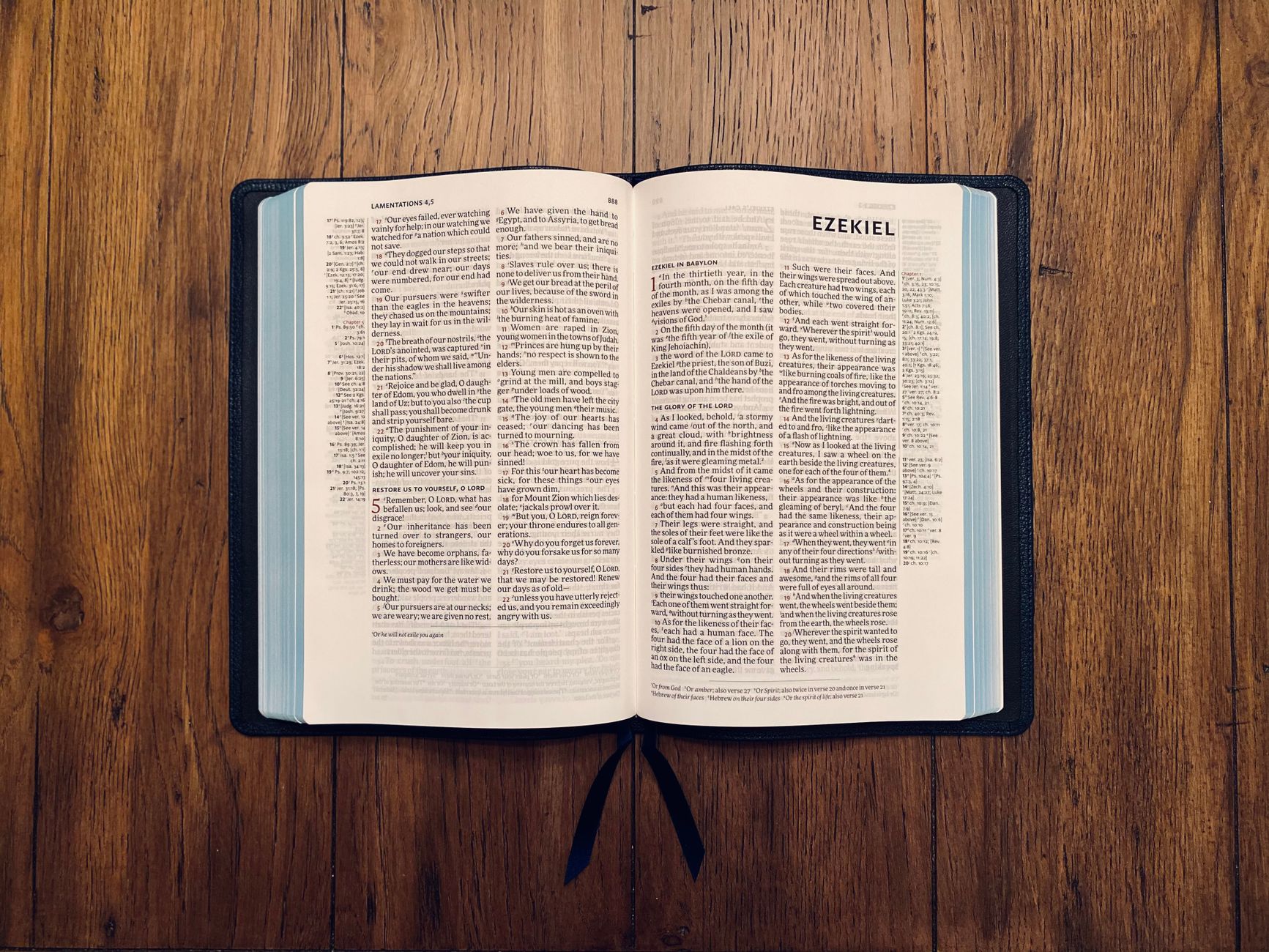
The Bible is a foundational text in many religious traditions, particularly within Christianity. Understanding when the Bible was completed involves exploring the historical and social contexts that shaped its formation. This article delves into a timeline of biblical events, shedding light on the gradual process that led to the compilation of the scriptures.
From oral traditions to written texts, the Bible’s journey reflects a complex interplay of divine inspiration and human authorship. By examining the timeline, readers can appreciate the significance of each section and how it contributes to the understanding of faith today.
When Was the Bible Completed?
The Bible is a compilation of texts that were written over a span of about 1,500 years. The process of its completion is not marked by a single date but rather a series of events that culminated in the formation of the canon as we know it today.
The Old Testament Timeline
The Old Testament, also known as the Hebrew Scriptures, serves as the historical, spiritual, and moral foundation for both Judaism and Christianity. The timeline of the Old Testament’s development is crucial for understanding its context.
1. Early Oral Traditions (circa 2000-1000 BCE)
Before the texts were written down, stories, laws, and teachings were transmitted orally within ancient Israelite communities. This included narratives about prominent figures such as Adam, Noah, Abraham, and Moses.
2. Written Texts and the Pentateuch (circa 1450-400 BCE)
The first five books of the Bible, known as the Torah or Pentateuch, likely reached written form during the time of Moses in the 15th century BCE. Scholars debate the exact dates, but significant sources such as the J, E, D, and P documents were likely compiled by around 400 BCE.
3. The Historical Books (circa 1200-100 BCE)
The books of Joshua, Judges, Samuel, and Kings recount Israel’s history from their conquest of Canaan through the monarchy. These narratives were likely written and compiled over several centuries, with the final editions emerging by 100 BCE.
4. The Prophets (circa 800-400 BCE)
The prophetic books contain messages from God’s prophets during significant historical events. These texts, such as Isaiah, Jeremiah, and Ezekiel, were probably written during the lifetime of the prophets and compiled shortly after their deaths, solidifying their role as divine messengers.
5. The Writings (circa 1000-200 BCE)
This section includes various genres, such as wisdom literature (Psalms, Proverbs) and historical accounts (Ruth, Esther). Many of these texts were likely compiled and edited from earlier sources, with some being finalized around the 2nd century BCE.
The New Testament Timeline
The New Testament details the life, teachings, death, and resurrection of Jesus Christ and the early Christian church’s development.
1. The Life of Jesus (circa 4 BCE – 30 CE)
Jesus’ ministry, which included teaching, healing, and preaching, occurred primarily in Judea and Galilee during the early first century CE. The events of his life formed the foundation for the writings that would become the New Testament.
2. The Letters of Paul (circa 50-67 CE)
The Apostle Paul’s letters to various early Christian communities were among the first New Testament writings. These letters, addressing theology, ethics, and community issues, were likely written between 50 and 67 CE. Examples include Romans, Corinthians, and Galatians.
3. The Gospels (circa 70-100 CE)
The four canonical Gospels—Matthew, Mark, Luke, and John—were written to document Jesus’ life and teachings. Mark is generally recognized as the earliest Gospel, written around 70 CE, while John is usually dated to around 90-100 CE.
4. The Acts of the Apostles (circa 80-90 CE)
This book, authored by Luke, recounts the early church’s history, focusing on the spread of Christianity following Jesus’ resurrection. It likely reached its final form around the same time as the Gospels.
5. The General Letters and Revelation (circa 70-100 CE)
Other letters (such as those of James, Peter, and John) and the book of Revelation were composed during this time. These canonical texts provide insight into the beliefs and struggles of early Christians.
Formation of the Biblical Canon
The biblical canon refers to the collection of texts that are considered authoritative scriptures within a specific religious tradition. The process of determining which texts were to be included in the Bible was complex and occurred over several centuries.
1. Early Church Discussions (circa 100-200 CE)
In the early centuries of Christianity, various Christian communities used different texts for worship and teaching. Discussions about the authenticity and authority of certain writings led to the need for a formal canon.
2. Councils and Affirmation of Canon (circa 300-400 CE)
Key church councils played a significant role in affirming the Hebrew Bible and New Testament canon. The Council of Nicaea in 325 CE, for example, addressed some theological disputes but did not finalize the canon. The development of the canon was largely settled in the 4th century with the Council of Carthage in 397 CE, which confirmed the canon as understood by most Christian communities.
Understanding Biblical Interpretation
Recognizing the historical context in which the Bible was written is essential for interpreting its messages today. Readers may consider several methodologies for biblical interpretation:
- Historical-Critical Method: This approach analyzes the text’s historical context, authorship, and intended audience, allowing readers to understand its original meaning.
- Literary Analysis: Examining narrative structure, literary devices, and genre can uncover deeper insights into the text’s themes and messages.
- Theological Reflection: Engaging with the text through prayer and reflection helps individuals discern spiritual truths relevant to their lives.
- Contextual Theology: This method emphasizes understanding the scriptures’ relevance within specific cultural and situational contexts, fostering more profound spiritual applications.
Implications for Personal Faith
Understanding when the Bible was completed and the process behind its formation can deepen one’s faith. It invites believers to appreciate the richness of their spiritual heritage. Here are a few reflective questions to consider:
- How does the historical context of biblical texts influence my understanding of faith?
- Which method of interpretation resonates most with my spiritual journey?
- How can I engage with the biblical texts meaningfully in my everyday life?
- What role does tradition play in my understanding of the scriptures?
Conclusion
The timeline of the Bible’s completion illustrates not only its complex history but also its enduring significance. Delving into its formation can enrich one’s understanding of faith and spirituality, inviting exploration and reflection on sacred texts. Engaging with the Bible through study, prayer, and community encourages growth and connection to the broader narrative of faith throughout history.
To deepen your understanding, consider exploring themes like spirituality through food by reading Bible verses about food for the soul and contemplation on biblical perspectives regarding hunger. These insights may provide additional layers of meaning to your spiritual journey.