
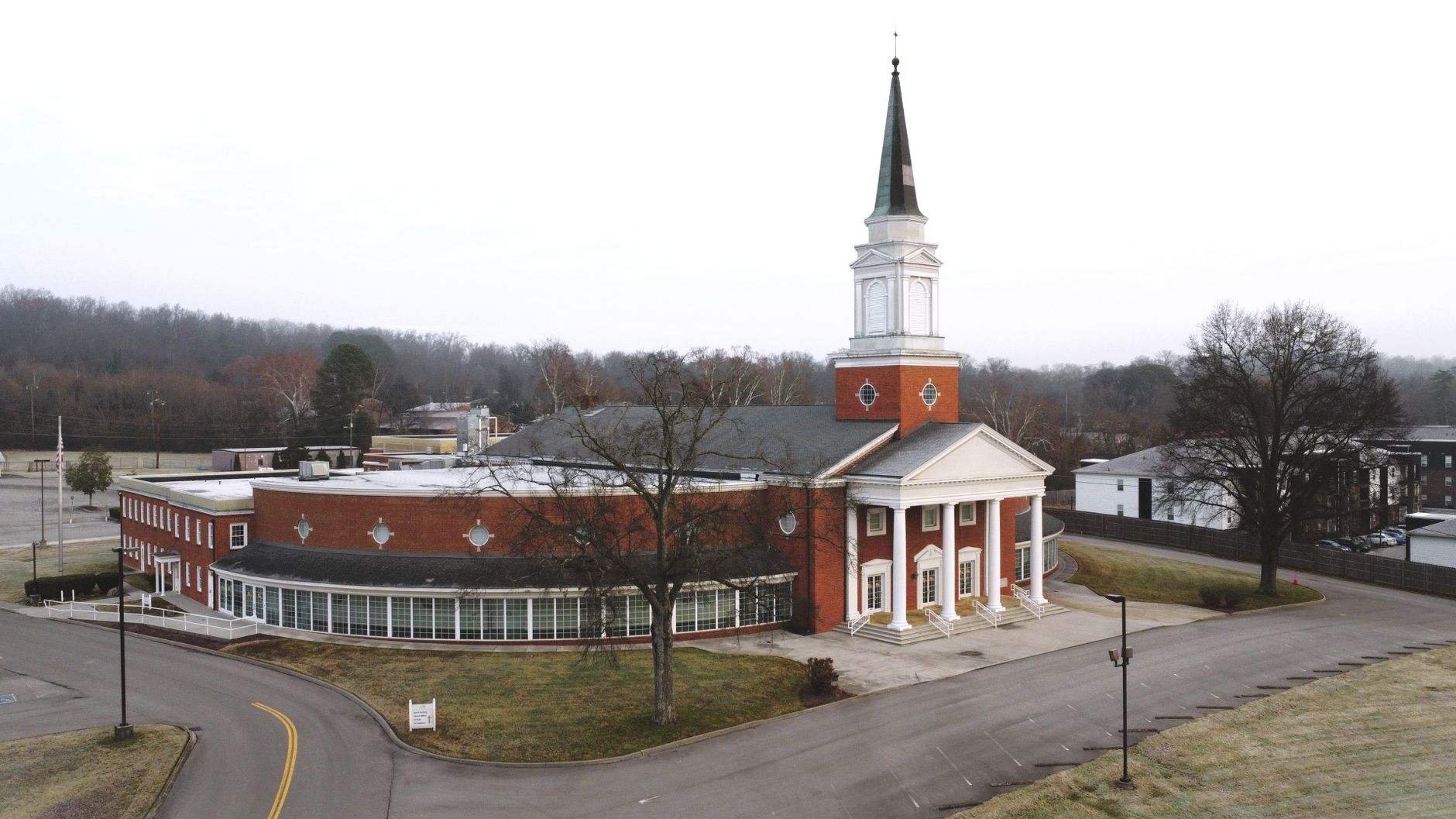
The Bible Belt is a region in the United States known for its strong evangelical Christian presence and conservative values. This area stretches across the southern and central parts of the country and significantly influences American religious culture.
Understanding what the Bible Belt encompasses is essential, as it helps to illustrate the region’s historical and spiritual significance, as well as its impact on societal values and norms. This article delves into the characteristics, history, and implications of being in the Bible Belt.
What Is Considered the Bible Belt?
The Bible Belt is generally understood to be an area in the United States where evangelical Protestantism plays a dominant role in society and culture. This region typically includes states like Texas, Alabama, Georgia, North Carolina, and Tennessee, among others. The term itself was popularized in the 1920s and reflects the religious fervor of the people living in these areas.
People often associate the Bible Belt with specific cultural traits, including a high percentage of church attendance, a strong emphasis on family values, and a preference for conservative social and political policies. While other regions in the U.S. are religiously active, the Bible Belt is unique in its intensity and the integration of faith into everyday life.
Historical Context of the Bible Belt
The origins of the Bible Belt can be traced back to the Second Great Awakening in the early 19th century, a period characterized by widespread revivals and the establishment of new denominations. This movement sparked a religious enthusiasm that laid the foundation for the region’s culture.
In particular, the rise of evangelism gave birth to various sects and a grassroots approach to Christianity. Figures such as Charles Finney promoted revivalist meetings, leading many to form congregations that emphasized personal conversion experiences and a literal interpretation of the Bible.
Key Historical Events
- The Second Great Awakening (early 1800s): This religious revival led to the establishment of new denominations and increased participation in Protestantism.
- Civil Rights Movement (1950s-1960s): The Bible Belt was a critical battleground during the Civil Rights Movement, where religious leaders played significant roles in advocating for social change.
- Rise of the Religious Right (1980s): The alignment of politics and evangelical Christianity led to the emergence of a powerful voting block that influenced national policy.
Geographical Scope of the Bible Belt
The Bible Belt is not an officially designated area, and the exact boundaries can be somewhat nebulous. However, it’s commonly thought to stretch along the southeastern and central United States. Key states typically included in the Bible Belt are:
- Texas
- Oklahoma
- Arkansas
- Louisiana
- Tennessee
- Mississippi
- Alabama
- Georgia
- South Carolina
- North Carolina
While these states share common features, it’s important to recognize that there are also substantial differences among them. Local customs, the proportion of various denominations, and sociopolitical issues can all vary widely.
Religious Landscape of the Bible Belt
The Bible Belt is predominantly characterized by a large number of evangelical Protestant denominations. The major branches include:
- Baptists: The largest denomination in the region, with numerous sub-groups such as Southern Baptists being most prevalent.
- Methodists: United Methodists have a strong presence, along with other Methodist denominations.
- Pentecostals: Known for their vibrant worship and emphasis on spiritual gifts.
- Church of Christ: Generally known for their non-denominational stance and adherence to the New Testament as the sole authority.
Social Implications of Religious Beliefs
The Bible Belt’s religious identity shapes various aspects of life, including politics, education, and social norms. In many communities, faith significantly influences public policy, school curricula, and family values. There are several social implications arising from the intertwined relationship between religion and community culture:
- Political Influence: Many politicians in the Bible Belt appeal to evangelical voters, addressing issues like abortion, same-sex marriage, and education policy from a religious perspective.
- Community Engagement: Churches often serve as community hubs for organizing events, providing assistance, and fostering social networks.
- Education: The curriculum in many schools might reflect a religious perspective, including the teaching of creationism in some areas.
Spiritual Life in the Bible Belt
The spiritual life in the Bible Belt is often vibrant and community-oriented. Church services are well-attended, and various events, such as potlucks, revival meetings, and Sunday schools, foster a sense of belonging. Moreover, participation in church often emphasizes:
- Worship: Services frequently include music that inspires singing and communal worship, reflecting the predominance of gospel and contemporary Christian music.
- Bible Study: Many congregations emphasize the importance of studying Scripture, often offering classes and discussion groups.
- Prayer: Regular prayer services and communal prayer meetings are common, promoting a deep sense of connection among attendees.
Cultural Perspectives and Challenges
While the Bible Belt is known for its religious fervor, it also faces challenges and changing cultural dynamics. The increasing diversity of beliefs and lifestyles within the region has led to some tension. Many traditional beliefs are being questioned or reevaluated in light of modern-day challenges, including:
- Changing Demographics: The influx of people from different backgrounds introduces various faiths and worldviews, impacting traditional practices.
- Secularization: There is a gradual move towards secular ideals in some parts, leading to debates on religious freedom and expression.
- Advocacy for Social Issues: Some religious groups are taking stands on social justice issues, often aligning with broader national movements.
Conclusion
The Bible Belt remains a unique and influential region in the United States, characterized by strong religious identities and cultural traditions. Understanding what constitutes the Bible Belt allows for deeper insight into American religious life, as well as the complexities of a society grappling with diversity and change. As society continues to evolve, the legacy of the Bible Belt will likely adapt, reflecting new interpretations of faith and community.
To further explore aspects of faith and spiritual life, consider reflecting on the various influences of spirituality in your own community. You might investigate the role of prayer, the significance of communal gatherings, or how scripture interacts with contemporary issues. For more insights, you might also delve into discussions found in articles like Bible Verses About Food and Prayers for Food.