
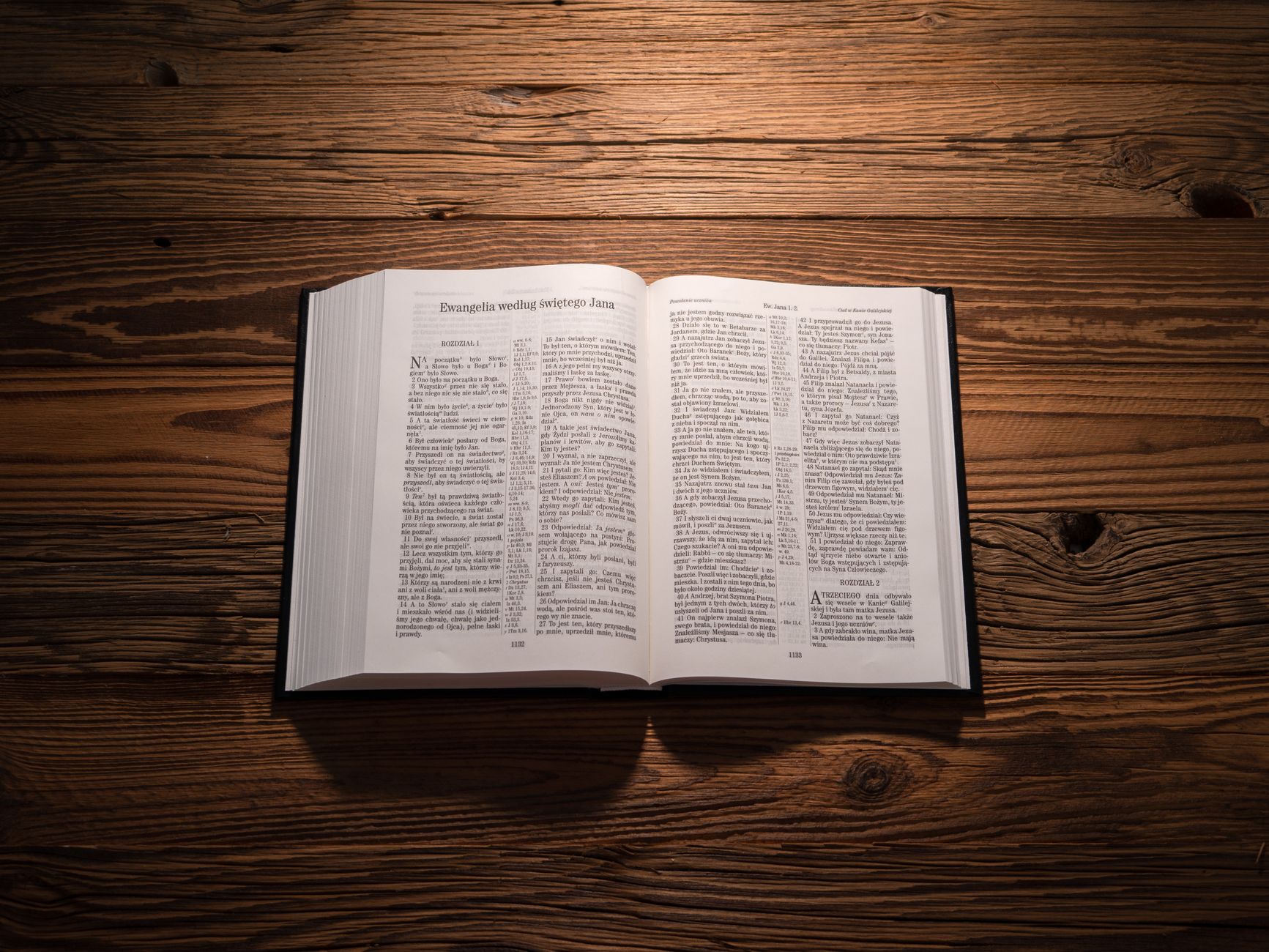
Reading the Bible can seem overwhelming, especially with the sheer volume of text across its many books. Many people wonder, “What order should I read the Bible?” This article provides a clear answer, along with insights on how to approach your reading for maximum understanding and spiritual growth.
The Bible consists of diverse literary styles, historical contexts, and theological themes that can come together in a cohesive spiritual journey when approached thoughtfully. By choosing a structured reading plan, you can deepen your faith and enhance your understanding of the scriptures.
What Order Should You Read the Bible?
When deciding how to read the Bible, it is essential to consider your goal: Are you seeking a comprehensive understanding of God’s nature? A specific topic? Or simply the experience of familiarizing yourself with the narrative? Depending on your goals, here are three recommended approaches to reading the Bible.
1. Chronological Order
Reading the Bible in chronological order can help you understand the timeline of events and how biblical themes and stories unfold. This approach often starts with Genesis and includes historical books, poetry, and prophetic writings in the order they occurred. Here’s a simplified chronological order you may follow:
- Genesis
- Exodus
- Leviticus
- Numbers
- Deuteronomy
- Joshua
- Judges
- 1 Samuel
- 2 Samuel
- 1 Kings
- 2 Kings
- 1 Chronicles
- 2 Chronicles
- Ezra
- Nehemiah
- Esther
- Job
- Psalms
- Proverbs
- Ecclesiastes
- Song of Solomon
- Isaiah
- Jeremiah
- Lamentations
- Ezekiel
- Daniel
- Hosea
- Joel
- Amos
- Obadiah
- Jonah
- Micah
- Nahum
- Habakkuk
- Zephaniah
- Haggai
- Zechariah
- Malachi
- Matthew
- Mark
- Luke
- John
- Acts
- Romans
- 1 Corinthians
- 2 Corinthians
- Galatians
- Ephesians
- Philippians
- Colossians
- 1 Thessalonians
- 2 Thessalonians
- 1 Timothy
- 2 Timothy
- Titus
- Philemon
- Hebrews
- James
- 1 Peter
- 2 Peter
- 1 John
- 2 John
- 3 John
- Jude
- Revelation
This order enhances the historical context of biblical stories and helps you see the flow of God’s plan over time. However, many versions of the chronological Bible are available that provide a more detailed breakdown; you may wish to explore those if you prefer an even clearer structure.
2. Thematic Order
If you have specific interests or questions about faith, considering a thematic reading plan can help you address those directly. Thematic reading organizes scripture according to subjects or themes—a method presented by various study guides. Here are a few key themes that could help structure your reading:
- Creation and the Nature of God: Start with Genesis, Psalms, and the prophetic books.
- Redemption and Salvation: Focus on the Gospels, Acts, and Paul’s letters.
- Living a Christian Life: Read through The Epistles, focusing on their practical advice for followers of Christ.
- Wisdom Literature: Explore Job, Proverbs, Ecclesiastes, and some Psalms for practical life guidance.
- Faith and Perseverance: Go through Hebrews, the book of James, and several letters from Paul.
This approach allows you to dive deep into specific areas where you seek growth or understanding, making your reading experience more meaningful and direct.
3. Traditional Order of the Bible
Another common strategy many Christians follow is the traditional order in which the books are arranged in many versions of the Bible: the Old Testament first, followed by the New Testament. This can lead to a gradual understanding of the Bible’s narrative:
- Old Testament (39 books)
- New Testament (27 books)
When you read in the traditional order, you’ll find that the narrative of the Old Testament goes into the transformative accounts found in the New Testament. This structure may resonate particularly well with those who appreciate the existing arrangement.
Suggestions for a Successful Reading
Regardless of the order you choose, here are some practical tips to enhance your reading experience:
- Set a Schedule: Designate specific days and times for reading to cultivate consistency.
- Use a Study Bible: Consider getting a study Bible or supplemental material that provides context, commentary, and cross-references to deepen your understanding.
- Take Notes: Keep a journal to jot down thoughts, reflections, and things you wish to explore further.
- Simplify Your Reading: Don’t feel pressured to read large sections at once; reflectively engage with smaller passages if that is more beneficial.
- Participate in Group Studies: Engage with a church group or Bible study to share insights and learn from others.
Implementing these strategies can help ensure that your Bible reading not only informs but transforms your spiritual life.
Interpreting the Bible Responsibly
As you read, it’s essential to remember that the Bible contains a range of literary styles, cultural backgrounds, and theological messages. To interpret scripture responsibly, you may consider these principles:
- Understand Context: Familiarize yourself with the historical, cultural, and literary context of each book.
- Read for Understanding: Seek out commentaries or resources that can clarify passages or themes you struggle to grasp.
- Allow for Diverse Interpretations: Realize that different traditions and denominations may emphasize different aspects of scripture, and be open to those varying perspectives.
This respect for scripture and its interpretations can foster humility and learning in your walk of faith.
Choosing Your Translation
The translation you choose can significantly affect your reading experience, as different versions emphasize various aspects of the text. Here are a few popular translations and their uses:
- NIV (New International Version): Offers a good balance of accuracy and readability, making it popular among many Christian communities.
- ESV (English Standard Version): Known for its literary style and faithfulness to the original texts, favored by many in theological studies.
- KJV (King James Version): A classic, poetic version that has been deeply influential but may be challenging due to archaic language.
- NLT (New Living Translation): A more contemporary language version that prioritizes clarity, making it accessible to newer readers.
Choosing a translation that resonates with you will facilitate a more engaging and meaningful reading process.
Reflecting and Application
Reading the Bible is not merely about information but transformation. After engaging with a passage, take time to reflect on its implications for your life. Consider these questions:
- What does this passage reveal about God’s character?
- What is the significance of the verse to my life today?
- How can I apply the teachings to my current circumstances?
Such reflection can lead to personal growth and deeper spiritual development as you connect the Word to your life.
Incorporating Prayer into Your Reading
Integrating prayer before or after your reading can enhance your understanding and receptivity. A simple prayer can help you center your thoughts, ask for wisdom, and seek divine guidance as you immerse yourself in scripture. Here is a sample prayer to consider:
“Dear God, as I read your Word today, open my heart and mind to the truths found within. Help me to understand and apply these teachings in my life. Amen.”
Engaging with Others
Sometimes, insight comes through conversation. Discussing scripture with others can enrich your understanding and reveal perspectives you may not have considered. Techniques for richer engagement include:
- Joining a Bible study group at your place of worship.
- Participating in community discussions or online platforms.
- Finding a mentor or spiritual advisor who can offer deeper insights.
These interactions can lead to fruitful discussions that further clarify the text and its relevance to your life.
Experiencing Different Translations and Contexts
Consider exploring multiple translations of specific passages or even different languages if accessible. This can illuminate meanings that a single translation might not capture. Taking note of how translated words differ can lead to a much deeper understanding of the text.
Additionally, attend different church services or gatherings with varying traditions where scripture is taught. This broadens your experience and helps establish a well-rounded perspective on biblical teachings.
Final Thoughts
Choosing how to read the Bible is a personal journey that can significantly transform your perspective on faith, spirituality, and life as a whole. Whether you choose to read in chronological order, thematically, or traditional order, each pathway offers unique insights that can nurture your spirit and enhance your understanding of God’s word.
Consider a combined approach where you read through the Bible alongside thematic studies or reflections. This flexibility allows for a more holistic engagement. Ultimately, the goal is to allow the scripture to speak to you and shape your life, providing wisdom, comfort, and guidance as you navigate the complexities of faith.
As you embark on your Bible reading journey, take care to reflect on what you have learned, apply it meaningfully, and remain open to divine guidance and revelation in your life.
To better understand prayer practices, check out our articles on prayers for alcoholics and prayers for fasting. These resources can provide additional spiritual support as you deepen your faith journey.