
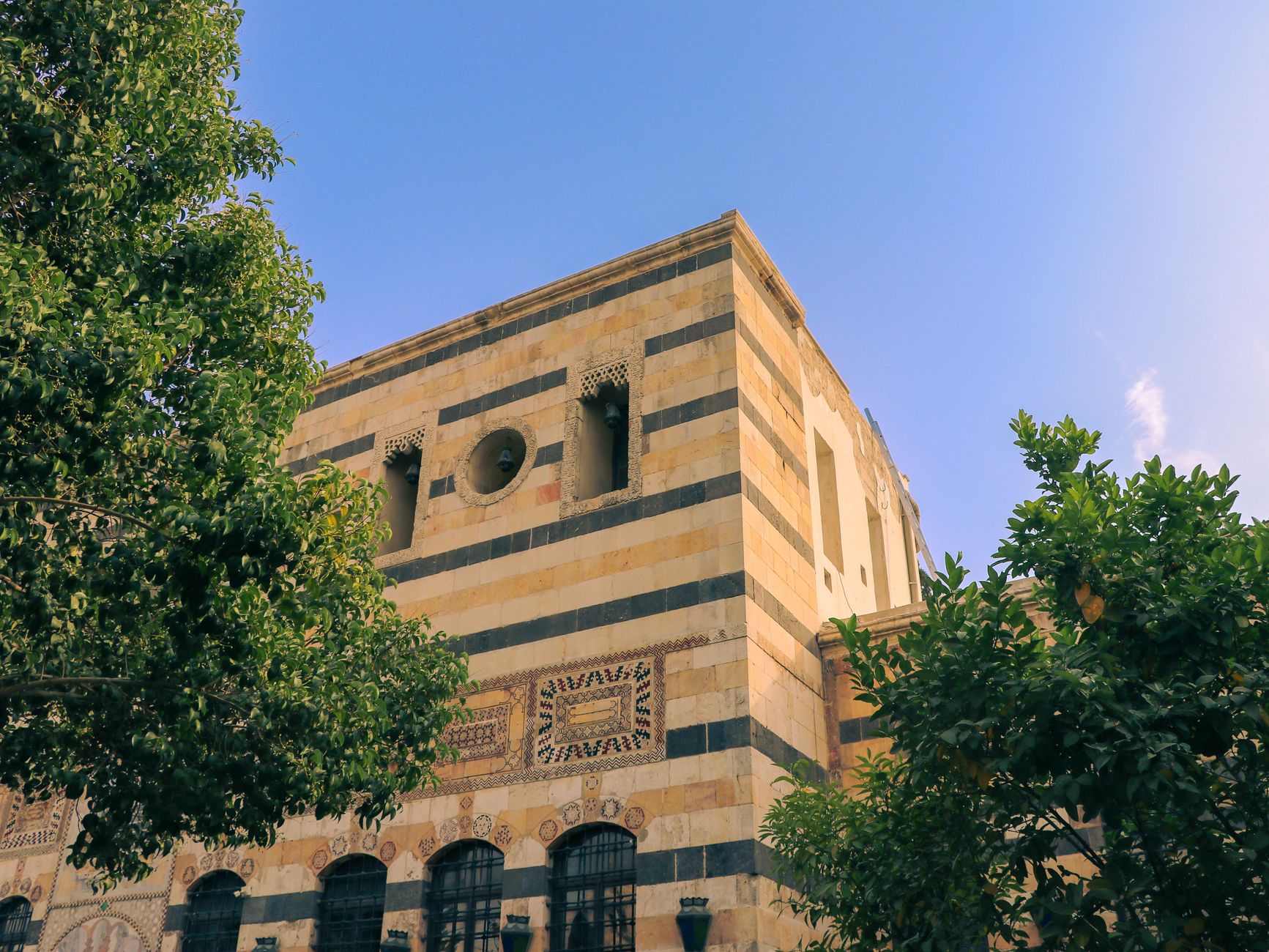
Damascus is one of the oldest continuously inhabited cities in the world, known historically for its significant role in various cultures and religions. Within the Bible, it holds a prominent place, especially in the narratives of the Hebrew Scriptures and the New Testament. Understanding its historical and spiritual significance can enrich one’s knowledge of biblical texts and their contexts.
This article will explore the geographical location of Damascus, its biblical references, and its importance in various religious traditions. Through this exploration, readers can gain insights into the ancient city and its relevance in faith, history, and spirituality.
Where Is Damascus in the Bible?
Damascus is mentioned numerous times throughout the Bible, primarily in the Old Testament, but it continues to be relevant in New Testament narratives as well. Located in modern-day Syria, Damascus is one of the key cities in biblical history. Its references point to various events, from interactions between patriarchs to significant transformative experiences.
The Geographical Context
Damascus is situated in the southwestern part of Syria, near the Anti-Lebanon mountain range. The city is strategically placed along trade routes, connecting it to various regions, including Mesopotamia and Egypt. This prime location contributed to its historical importance as a center for commerce and cultural exchange.
A Map of Ancient and Modern Damascus
While ancient maps may differ significantly from current depictions, understanding the ancient geography helps illustrate why Damascus was a crucial city in biblical times. In biblical texts, the city’s location often played a role in the narratives surrounding various figures such as Abraham, David, and Paul the Apostle.
Biblical References to Damascus
Damascus appears in both the Old and New Testaments, showcasing its significance across different periods in biblical history. Below we will explore several notable references and narratives in which Damascus plays an integral role.
Old Testament References
- Genesis 14:15: In this passage, Abraham pursues the kings who captured his nephew Lot. The mention of “the city of Damascus” indicates its importance even in the time of the patriarchs.
- 2 Samuel 8:5-6: This section recounts King David’s military campaigns, including his conquest of Damascus, underlining the city’s strategic value during Israel’s expansion.
- Amos 1:3-5: Damascus is introduced in prophetic literature, where God’s judgment upon the city is foretold due to its transgressions.
New Testament References
- Acts 9:1-19: The most notable reference to Damascus occurs in the New Testament with the conversion of Saul (later known as Paul). This transformative moment is a pivotal point in Christian history, as Saul becomes one of the foremost apostles.
- Acts 22:6-16: Here, Saul recounts his dramatic encounter with Jesus on the road to Damascus, a key moment in understanding the shift from persecutor to proponent of Christianity.
Theological Significance of Damascus
From a theological perspective, the city holds deep implications for both Jewish and Christian traditions. The narratives associated with Damascus illustrate themes of repentance, redemption, and divine encounters.
Repentance and Transformation
The story of Saul’s conversion is emblematic of transformation in religious belief. It serves as a reminder of the potential for change within every individual, illustrating that no one is beyond the reach of divine grace. In many religious communities, this passage is cited as a foundation for understanding redemption.
Spiritual Symbolism
- Transformation: The road to Damascus can be seen as a metaphor for the journey of faith—marked by unexpected encounters, challenging moments, and eventual enlightenment.
- Judgment: The prophetic warnings against Damascus in the Old Testament emphasize the moral and ethical dimensions of faith, reminding followers of the importance of living in accordance with divine principles.
Historical Impact and Legacy
Beyond biblical references, Damascus has maintained its historical significance throughout the centuries. Its governance and cultural relevance have influenced various empires, including the Roman, Byzantine, and Islamic empires.
Damascus in Early Christianity
Following the advent of Christianity, Damascus played a significant role in the early church. The city is home to the oldest surviving church building, the Chapel of Saint Paul, constructed to commemorate the site of Saul’s conversion.
Modern-Day Relevance
Today, Damascus represents a crossroads of cultures and religions, reflective of its diverse past. Understanding its historical and spiritual significance can help individuals appreciate the richness of biblical texts and their ongoing relevance.
Exploring the Spiritual Dimensions of Damascus
Reflecting on the narratives associated with Damascus invites opportunities for spiritual growth and contemplation. Here are a few practices readers may consider to deepen their understanding.
Spiritual Reflection Practices
- Contemplation: Set aside time to meditate on the story of Saul’s conversion. Reflect on the moments of change in your own life, considering what has led to deeper understanding or faith.
- Scriptural Study: Read the various passages about Damascus in both the Old and New Testaments. Contemplate how each context enriches your understanding of the city’s importance.
- Prayer: Offer prayers for transformation, both for oneself and for others. Ask for guidance and strength to embrace changes that lead to growth in faith.
Conclusion
Damascus stands as a potent symbol of spiritual transformation and divine encounters within biblical narratives. By understanding its historical context and significance, individuals can gain valuable insights into their own spiritual journeys. Whether through personal reflection, prayer, or guided contemplation, connecting with the story of Damascus can encourage a deeper understanding of one’s faith.
For further exploration of related themes, consider reading articles on Bible Verses About Food or explore Prayers for Food to enrich your spiritual practice in everyday life.