
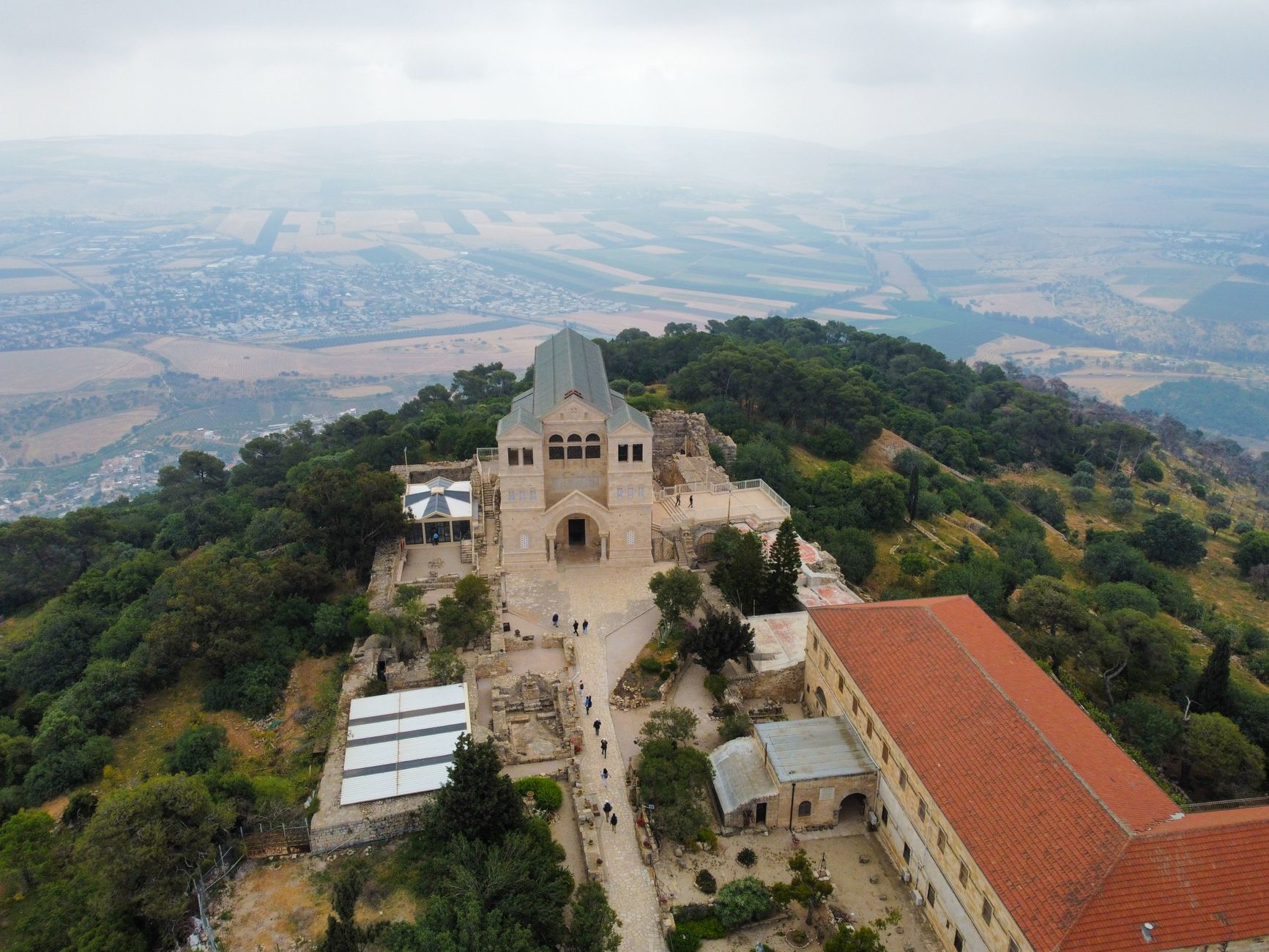
The biblical narrative surrounding Mount Horeb, also known as Mount Sinai, is rich with spiritual significance and historical context. In the religious traditions of Judaism, Christianity, and Islam, this mountain holds a profound place, as it is associated with divine revelations and significant covenantal events. This article will explore what happened at Mount Horeb, its theological implications, and its relevance in different faith traditions.
Understanding the story of Mount Horeb requires delving into the broader context of the Israelites’ journey through the wilderness, their covenant with God, and the implications of divine encounters. This exploration will provide insights into the nature of faith, obedience, and the relationship between the divine and humanity.
What Happened at Mount Horeb in the Bible?
Mount Horeb is primarily recognized in the Hebrew Bible as the mountain where Moses encountered God in the form of a burning bush and later received the Ten Commandments. The narrative is found predominantly in the book of Exodus, particularly chapters 3 and 19-20. This mountain symbolizes the divine presence and the establishment of a covenant between God and the Israelites.
The Burning Bush Encounter
The first significant event at Mount Horeb is Moses’ encounter with the burning bush in Exodus 3. While tending to his father-in-law’s flock, Moses notices an unusual sight: a bush that burns but is not consumed. This experience marks a pivotal point in Moses’ life and his mission as the leader of the Israelites.
During this encounter, God speaks to Moses, revealing His name as “I AM” (Exodus 3:14). This self-identification underscores God’s eternal presence and authority. God commands Moses to return to Egypt and lead the Israelites out of slavery, promising to be with him. This moment is foundational, as it sets in motion the events leading to the Exodus and the establishment of the Israelite community.
The Theophany at Mount Sinai
After the Israelites leave Egypt, they arrive at Mount Sinai, identified with Mount Horeb in Exodus. It is here that they camp for an extended period, and God calls Moses to the mountain. In Exodus 19, the narrative describes a dramatic theophany: the mountain is enveloped in smoke, thunder, and lightning, signifying God’s powerful presence.
God instructs Moses to prepare the people for this encounter. The Israelites are to consecrate themselves, emphasizing the holiness of the moment. This preparation highlights the seriousness of engaging with the divine, illustrating that holiness requires respect and reverence.
The Giving of the Ten Commandments
The climax of the events at Mount Horeb occurs when God delivers the Ten Commandments to Moses, outlined in Exodus 20. These laws form the ethical and legal foundation for the Israelite community, addressing their relationships with God and one another. The commandments emphasize themes such as the oneness of God, the sanctity of the Sabbath, and the principles of justice and morality.
The giving of the commandments signifies a covenant between God and the Israelites, where they agree to follow God’s laws in exchange for His protection and guidance. This covenant relationship is central to the identity of the Israelite people, establishing their commitment to live according to divine directives.
Theological Implications of Mount Horeb
Mount Horeb’s narrative carries several theological implications that resonate within Jewish, Christian, and Islamic traditions. Here are some key themes derived from the events at this sacred site:
- Divine Revelation: The encounters at Mount Horeb illustrate that God actively engages with humanity. The burning bush symbolizes a clear instance of divine revelation, which is a recurring theme in religious texts.
- Covenant Relationship: The delivery of the Ten Commandments signifies the establishment of a covenant between God and His people, a concept central to Jewish theology and echoed in Christian understanding.
- Holiness and Reverence: The preparation required for approaching God at Mount Horeb emphasizes the need for holiness and purity in spiritual encounters, a theme found throughout various religious traditions.
- Guidance and Protection: The commandments serve as moral and ethical guidelines, illustrating the belief that divine laws lead to a just and harmonious life.
Significance in Judaism
In Judaism, Mount Horeb is of central importance as it represents the moment of divine revelation and the beginning of the Israelites as a covenant community. The giving of the Torah, which includes the Ten Commandments, is commemorated during the festival of Shavuot, which celebrates the giving of the Law and the harvest season.
The commandments laid out at Mount Horeb continue to shape Jewish ethics and law, guiding daily practice and community life. The narratives surrounding the mountain are frequently referenced in Jewish prayers and teachings, reinforcing the idea of a continuous relationship with God.
Significance in Christianity
Christianity views the events at Mount Horeb as a pivotal foundation for understanding God’s relationship with humanity. The Ten Commandments are regarded not only as laws but also as expressions of God’s love and will for human flourishing.
Additionally, Christians believe that the moral standards established in the commandments are fulfilled in the teachings of Jesus. The Sermon on the Mount, found in Matthew 5-7, echoes elements of the Sinai covenant while emphasizing a deeper inward disposition towards love and grace.
Significance in Islam
In Islam, Mount Horeb is acknowledged as a significant location in the life of Moses (known as Musa in Arabic). Muslims regard Moses as a prophet and messenger of God, and the Quran references the events at Horeb, particularly the giving of the Law. The Quran confirms the importance of obeying divine guidance as a means to live a righteous life.
While the Quran does not provide extensive details about Mount Horeb, the narrative of Moses’ leadership and prophetic mission serves as an exemplar of faith and obedience across Islamic teachings.
Practical Reflections from the Story of Mount Horeb
The events surrounding Mount Horeb offer numerous opportunities for personal reflection and spiritual growth. Here are several practical avenues for incorporating the teachings of this narrative into everyday life:
- Seeking Divine Presence: Take time to engage in prayer or meditation, inviting a sense of divine presence into your life. Consider quiet moments where you seek to hear guidance, akin to Moses in the burning bush encounter.
- Commitment to Ethical Living: Reflect on the moral teachings represented in the Ten Commandments. Identify principles that resonate with you and consider how to incorporate them into your daily decisions and interactions.
- Cultivating Holiness: Dedicate time for self-reflection and spiritual preparation before engaging in community worship or personal devotion. Recognize the value of being intentional about approaching the sacred with reverence.
- Embracing Community: Just as the Israelites formed a covenant community, reflect on ways to foster relationships of accountability and encouragement within your community or circle of friends.
Conclusion
The narrative of Mount Horeb is a powerful testament to the intersection of the divine and human experience. From the burning bush to the giving of the Ten Commandments, these events shape the understanding of faith and the commitment to living in accordance with divine guidance. The story invites believers across different traditions to reflect on their personal journeys, to seek the sacred in their lives, and to commit to living ethically and reverently.
As you consider the significance of Mount Horeb in your spiritual practice, reflect on the ways in which you can deepen your understanding of divine presence and ethical living. Engage with your community, seek moments of quiet reflection, and cultivate a reverence for the sacred aspects of your life.
For further reading and exploration on related topics, you may find articles on faith, prayer, and the significance of sacred symbols enlightening. Consider diving into the themes surrounding the covenant in other religious traditions, or explore stories of other significant encounters with the divine in different spiritual paths.