
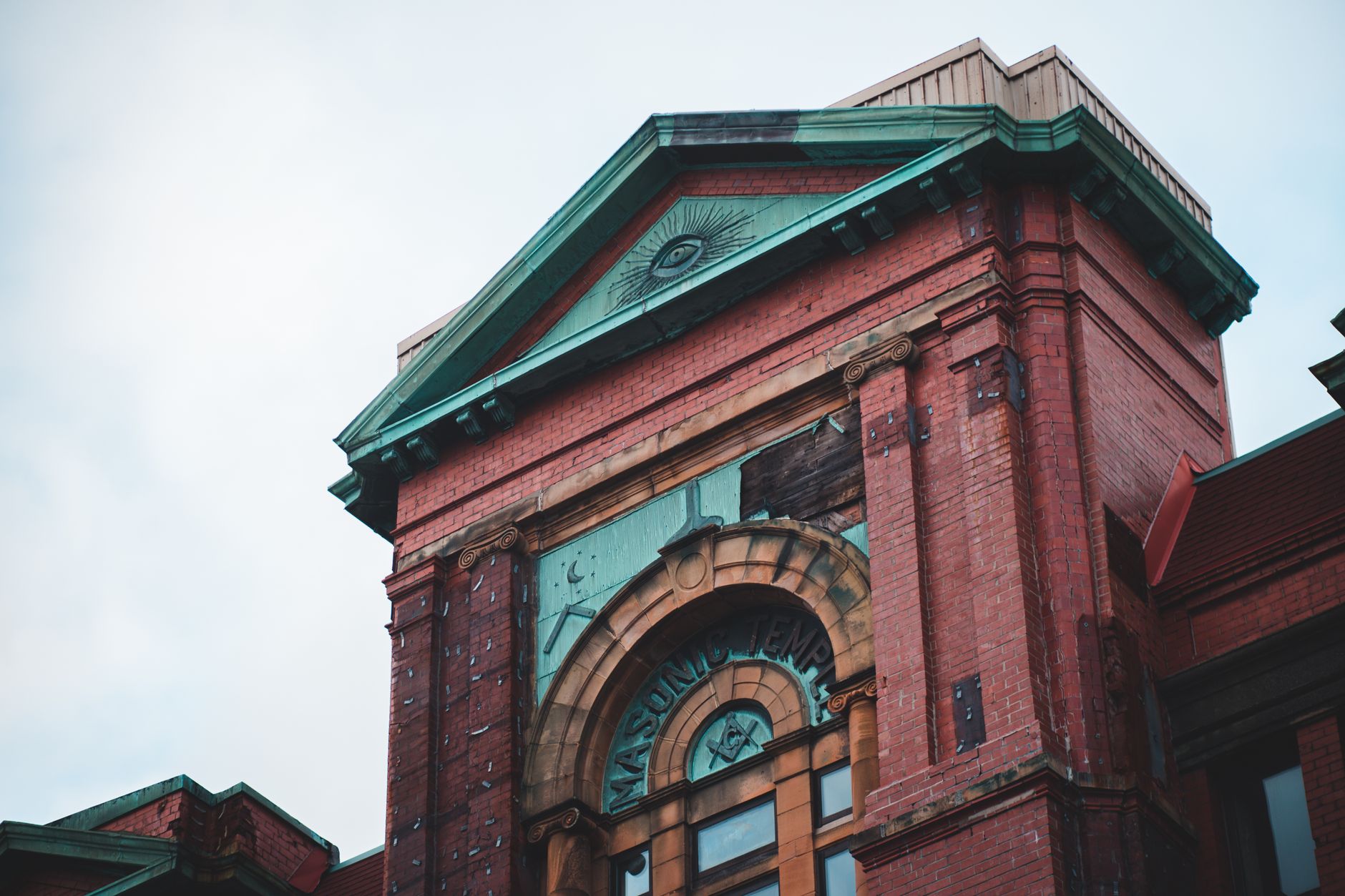
Freemasonry is a diverse organization with a rich history and a complex belief system that often raises questions about its members’ faith. This article addresses whether Freemasons believe in Jesus Christ and explores what their teachings and practices entail. Understanding Freemasonry requires a nuanced approach, as it encompasses various beliefs and interpretations.
While the organization itself is not a religion, Freemasonry often draws upon various religious traditions, including Christian elements. However, its members’ beliefs can vary widely, reflecting the individual spiritual paths they follow. This article aims to clarify these distinctions to provide a comprehensive understanding of Freemasonry’s relationship with Christ.
Do Freemasons Believe in Jesus Christ?
Freemasons do not have a unified position on Jesus Christ; beliefs about him can differ significantly among individual members. Some Freemasons who identify as Christians believe in Jesus as their savior, while others may hold different understandings of Jesus’ significance depending on their religious background. Overall, Freemasonry encourages belief in a Supreme Being, often referred to as the “Great Architect of the Universe,” which transcends specific religious figures, including Jesus.
Understanding the Origins of Freemasonry
Freemasonry began in the late 16th to early 17th century in Europe, evolving from the guilds of stonemasons and cathedral builders. It formalized into a fraternal organization focusing not only on craft but also on moral and ethical development. The teachings emphasize personal integrity, mutual respect, and charity, which can connect with many religious beliefs.
As Freemasonry expanded, it adopted elements from different faiths, particularly Christianity, which was dominant in Europe at the time. This blending of traditions contributed to the diverse belief system among its members and the complexity surrounding theological questions related to Jesus Christ.
The Symbolism of Freemasonry
Freemasonry utilizes various symbols and allegories to convey its teachings. Some common symbols, such as the square and compass, promote moral behavior and self-improvement. While many symbols in Freemasonry do not directly reference Jesus, they often align with values that resonate with Christian teachings, such as compassion, humility, and the pursuit of knowledge.
Key Symbols and Their Meanings
- Square: Symbolizes morality and fairness in one’s dealings.
- Compass: Represents the importance of self-control and boundaries in life.
- Level: Signifies equality among all members, regardless of background.
- Plumb Rule: Encourages uprightness and honesty in personal conduct.
These symbols foster a moral framework that can overlap with Christian values, which may lead to the perception that Freemasonry is inherently Christian. However, this is not always the case, as many members come from different religious traditions.
Freemasonry’s Relationship with Religion
One of the defining features of Freemasonry is its requirement for members to believe in a Supreme Being. This belief, however, is intentionally broad and inclusive, allowing for various interpretations. The Supreme Being can be perceived as God, the Divine, or a universal spirit, which differs from the specific theological concepts found in Christianity.
The organization explicitly states that it is not a religion and does not seek to replace one’s faith. Freemasons come together not simply on the basis of shared religious beliefs, but rather on shared values, ethical teachings, and the pursuit of knowledge.
Inclusivity in Belief
Members of Freemasonry represent a broad spectrum of faiths, including:
- Christianity, with varied denominations
- Judaism
- Islam
- Buddhism
- Atheism or agnosticism
As a result, the organization’s teachings can differ in their approach to Jesus Christ and other religious figures. Some members may deeply integrate Jesus’ teachings within their Masonic practice, while others may adopt a more secular stance, valuing Masonic principles without adhering to a specific religious ideology.
Rituals and Practices in Freemasonry
Freemasonry involves various rituals and practices that embody its teachings. These rituals are symbolic and serve to impart moral lessons. While some rituals may draw from Christian motifs, they are generally universal in nature, aimed at fostering personal growth and a sense of community among members.
Common Masonic Rituals
- Initiation Ceremony: The process by which a new member becomes a Freemason, emphasizing personal transformation and commitment.
- Ritual of Passing: Represents progression and understanding deeper truths or levels of knowledge.
- Raising to the Sublime Degree: Symbolizes reaching a higher moral standard or enlightenment.
These rituals encourage reflection and personal development, enabling members to explore their spirituality and ethical pathways regardless of their individual faith traditions.
Ethics and Morality in Freemasonry
Freemasonry promotes strong ethical and moral principles, emphasizing conduct that benefits both the individual and society. Key ethical tenets include charity, integrity, and the pursuit of knowledge. These values are often aligned with Judeo-Christian ethical teachings, fostering a sense of shared commitment among members.
This ethical framework guides Freemasons in their daily lives and provides a foundation for community service, which may also be a manifestation of their faith or spiritual beliefs. The commitment to making a positive impact in the world can serve as an expression of one’s beliefs, including those centered around Jesus Christ for many members.
Interfaith Understanding within Freemasonry
Freemasonry emphasizes the importance of dialogue and mutual respect between different faiths. This inclusive approach fosters understanding and harmony within diverse communities. By encouraging members to explore their beliefs in conjunction with Masonic principles, Freemasonry opens a space for interfaith understanding, enabling individuals to appreciate varying perspectives on Jesus Christ and spirituality.
Encouraging Dialogue
To facilitate respectful discussions, Freemasonry holds educational lectures and discussions that allow members to share their reflections on faith, ethics, and the role of Jesus Christ within their respective traditions. This respectful discourse offers opportunities for personal growth and interfaith understanding, promoting a harmonious approach to spirituality.
Conclusion: The Individual Path of Faith
In summary, Freemasonry’s relationship with Jesus Christ is complex and pluralistic. While individual members may hold varying beliefs about Christ, the organization itself promotes a broad understanding of spirituality that transcends specific religious boundaries. Freemasons encourage their members to uphold high ethical standards, engage in personal development, and contribute positively to society.
This inclusive and diverse belief system poses important questions about faith and spirituality that individuals can explore through personal reflection. Engaging with one’s beliefs, whether they include Jesus Christ or not, can foster deeper spiritual growth and understanding.
A practical next step for readers might be to participate in reflective discussions with friends or family members about the intersections of faith and personal values. This exploration, regardless of specific beliefs, can contribute to a broader understanding of spirituality and ethics in daily life.
Explore more on related topics that challenge and enrich our understanding of spirituality, ethics, and faith. There are many resources available for those interested in deepening their knowledge or sharing their insights. Delve into reflective writings on ethical living, interfaith dialogue, or the values that shape our shared humanity.