
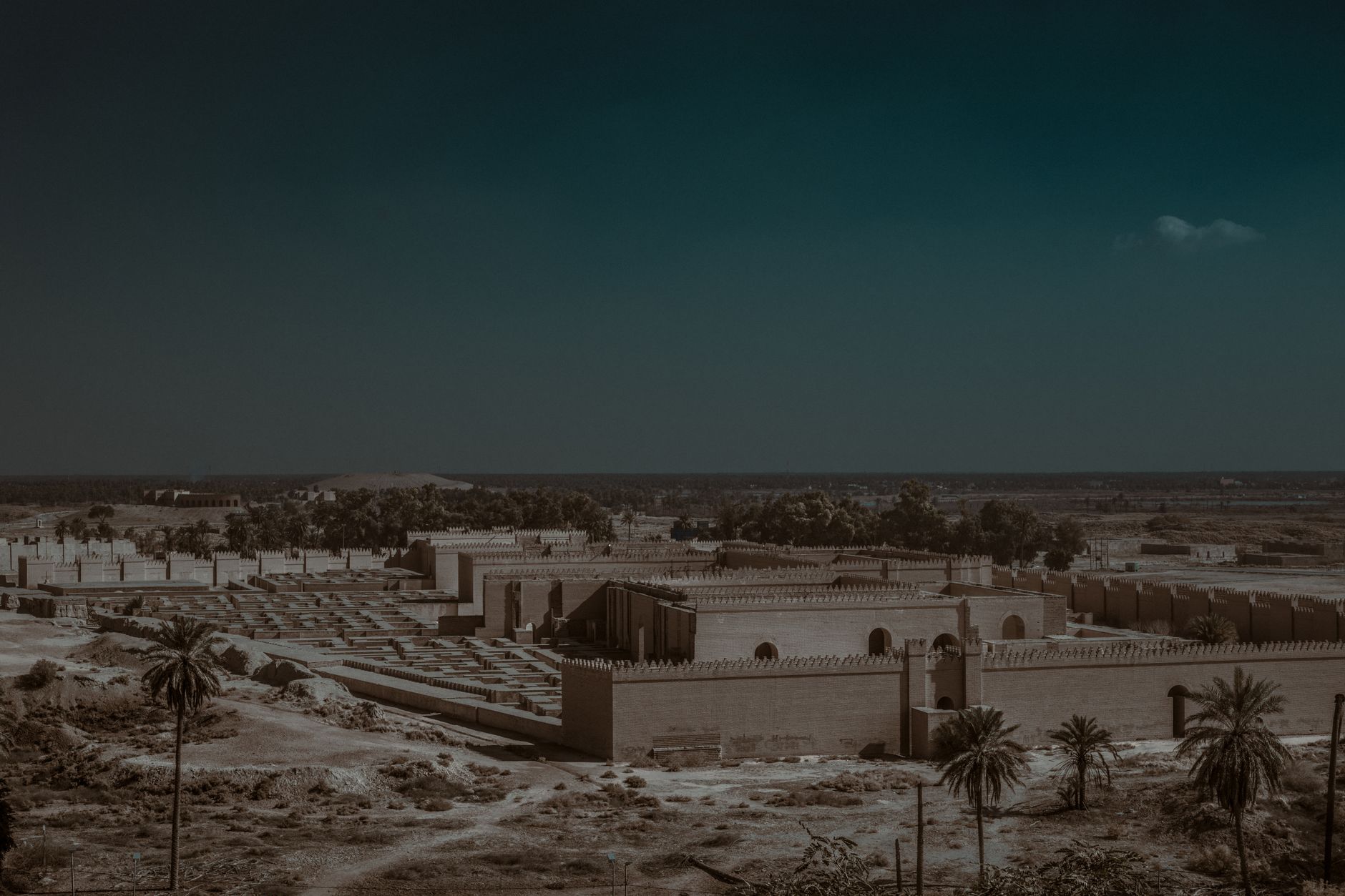
The concept of Babylon holds significant meaning and representation within the Bible, echoing themes of pride, destruction, and divine judgment. Its symbolism extends beyond a mere historical city, illustrating greater truths about human nature and the consequences of turning away from God. Exploring Babylon’s representation in the Bible reveals valuable insights applicable to spiritual growth and understanding.
This article delves into the biblical portrayal of Babylon, examining its historical context, literary significance, and multifaceted interpretations that have emerged within religious traditions. Through this exploration, we seek to understand not only what Babylon represented in ancient texts but also how these ancient stories resonate with spiritual journeys today.
What Does Babylon Represent in the Bible?
In biblical literature, Babylon often represents human pride, rebellion against God, and impending destruction. It serves as a prototype for cultures and societies that reject divine authority in favor of their ambitions. The portrayal is complex, blending historical accounts with rich symbolic meanings that continue to influence theology and ethics across various faiths.
Historical Context of Babylon in the Bible
Babylon was an ancient city-state located in Mesopotamia, and its influence on history and culture is profound. At its height, Babylon was a magnificent center of commerce, architecture, and knowledge. The city is most notably represented in the Book of Genesis with the Tower of Babel narrative.
The Tower of Babel story (Genesis 11:1-9) illustrates humanity’s ambition to build a tower that reached the heavens, showcasing their desire for greatness and independence from God. In response to this prideful act, God confounded their language, scattering the people across the earth. This account highlights the dichotomy between human aspirations and divine will, framing Babylon as a symbol of rebellion and divine judgment.
Babylon’s Role in Prophetic Literature
Throughout the prophetic literature of the Old Testament, Babylon emerges as a significant figure associated with judgment. The prophets often used the imagery of Babylon to convey messages to Israel regarding their unfaithfulness and the consequences of turning away from God. Notable mentions of Babylon can be found in the prophetic books of Isaiah, Jeremiah, and Ezekiel.
- Isaiah 13-14: Prophecies against Babylon depict destruction and the fall of the proud. Isaiah describes Babylon as a “golden city,” but warns of its ultimate demise due to divine judgment.
- Jeremiah 50-51: The prophecies against Babylon in these chapters emphasize not only its downfall but also portray it as a symbol of the futility of human power in opposition to God.
- Ezekiel 26-28: Ezekiel prophesies against Tyre and Egypt but intertwines Babylon’s fate, illustrating its role as an oppressor of Israel as well as a recipient of God’s judgment.
Babylon in the New Testament
The representation of Babylon carries forward into the New Testament, particularly in the Book of Revelation. Here, Babylon is likened to a great prostitute, symbolizing immorality and corruption (Revelation 17-18). This imagery reinforces the idea that Babylon represents more than a physical city; it embodies a spiritual state of opposition to God’s will.
In Revelation 18, the fall of Babylon signifies the triumph of God’s justice and the end of corrupt kingdoms. The warnings against Babylon serve as a call for believers to remain steadfast in their faith against cultural pressures that tempt them away from divine truth.
Interpretations of Babylon’s Symbolism
Different traditions have interpreted Babylon’s symbolism in various ways. Here are some of the prominent interpretations:
- Judgment and Fall: Many see Babylon as a representation of the pride and idolatry that lead to destruction. The biblical narrative warns that nations and individuals who pursue power, wealth, and autonomy beyond God will face consequences.
- Spiritual Confusion: Babylon can be viewed as a symbol of the confusion and chaos prevalent in human societies when they turn away from divine guidance. This is pertinent to contemporary discussions around morality and ethics.
- Resistance to Divine Will: The story of Babel serves as a reminder of the futility of attempting to rise above God’s authority. This theme of resistance resonates in spiritual communities that emphasize humility and submission to divine guidance.
Theological Reflections on Babylon’s Representation
The teachings surrounding Babylon challenge believers to reflect on their lives, motivations, and choices. Understanding history’s complexities and the biblical narratives allows for richer spiritual introspection and growth.
Lessons from Babylon’s Pride
The tale of the Tower of Babel emphasizes the dangers of pride and self-reliance. Pride can lead to isolation, division, and a sense of separation from God. This serves as a powerful reminder for modern believers to stay grounded in humility and seek unity with others.
Divine Judgment and Mercy
While the narrative surrounding Babylon highlights God’s judgment, it also emphasizes divine mercy. The stories encourage individuals to seek repentance and turn back to God to receive guidance and renewal. This duality reflects the compassionate nature of God, offering both justice and love.
Engaging with Modern Babylon
As individuals navigate contemporary society, they may encounter modern-day ‘Babylons’ in the form of cultural values that conflict with their faith. Engaging with these cultural pressures requires discernment, wisdom, and a commitment to one’s core beliefs.
Practical Spiritual Exercise: Reflecting on Babylon
To internalize the lessons from Babylon’s representation, consider the following practical exercise:
- Find a quiet space for reflection and prayer.
- Reflect on areas in your life where you may be exhibiting pride or self-reliance, potentially leading you away from God.
- Write down any thoughts or feelings that arise, articulating what you believe God is inviting you to reconsider or change.
- End with a prayer, seeking guidance and strength to navigate your spiritual journey in humility and faith.
Interfaith Perspectives on Babylon
While the biblical account of Babylon primarily stems from Judeo-Christian traditions, it has also held significance in other religious contexts. Babylon’s historical realms have been referenced in Islamic texts, wherein it may represent a society turned away from divine truth, akin to its representation in the Bible.
This interfaith exploration raises valuable discussions about human nature, ethics, and the universal struggle against pride and disobedience. Engaging in dialogue about these themes can pave the way for deeper understanding and compassion among faith communities.
Conclusion and Call to Reflection
Babylon is a rich symbol in the Bible, representing the complexities of pride, morality, and the divine response to human actions. Reflecting on its meaning encourages individuals to discern their paths with humility and grace, recognizing the importance of aligning actions with faith.
As a next step, consider how the narratives around Babylon may resonate with your personal experiences and beliefs. Engage with your faith community to explore contemporary challenges and gain insights into how to navigate life’s complexities in alignment with spiritual values.
For further exploration of related topics, we invite you to read about Bible Verses About Food and Prayers for Thanksgiving for enriching perspectives on faith and practice.