
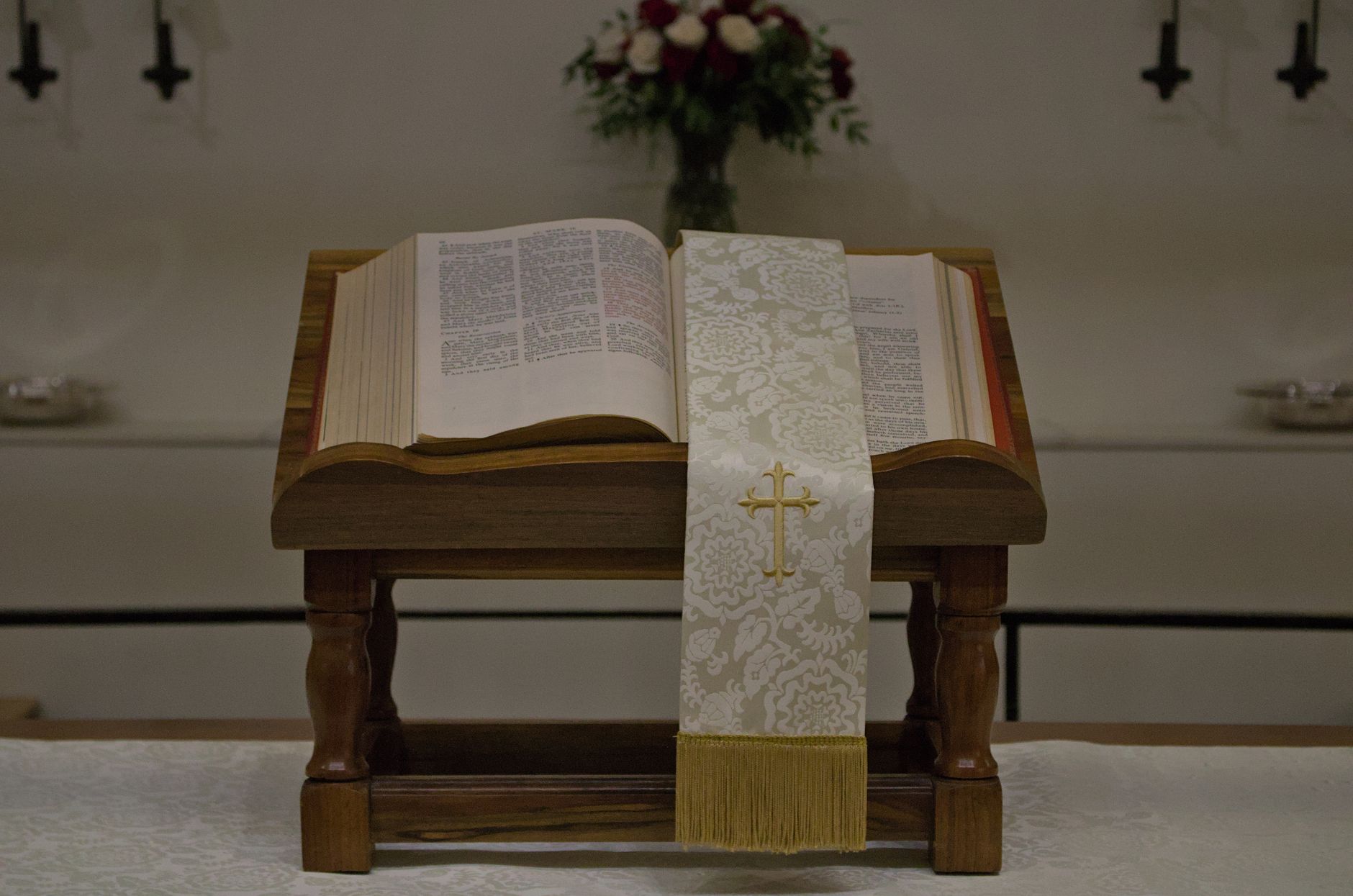
The question of what the Bible says about cursing and profanity taps into deeper themes of faith, morality, and the power of words. Many believers seek guidance from scripture to understand the implications of their language. This article will explore various biblical references and interpretations regarding cursing while aiming to provide a comprehensive perspective on the topic.
Understanding the role of language in spiritual life is essential for many individuals. Cursing, or using offensive language, is often viewed as contrary to the tenets of faith in various traditions, particularly within Christianity. This article will delve into scripture, the historical context of language use, and the spiritual implications of our words.
What Does the Bible Say About Cussing?
The Bible addresses the topic of cursing in several passages, although it does not provide a comprehensive list of words that are deemed inappropriate. Instead, it offers principles that demonstrate the importance of speaking in a way that reflects one’s faith and values. Core principles about language can be gleaned from verses in both the Old and New Testaments.
Key Bible Verses on Cursing
- Ephesians 4:29 (NIV): “Do not let any unwholesome talk come out of your mouths, but only what is helpful for building others up according to their needs, that it may benefit those who listen.”
- James 3:9-10 (NIV): “With the tongue we praise our Lord and Father, and with it we curse human beings, who have been made in God’s likeness. Out of the same mouth come praise and cursing. My brothers and sisters, this should not be.”
- Colossians 3:8 (NIV): “But now you must also rid yourselves of all such things as these: anger, rage, malice, slander, and filthy language from your lips.”
- Matthew 12:36-37 (NIV): “But I tell you that everyone will have to give account on the day of judgment for every empty word they have spoken. For by your words you will be acquitted, and by your words, you will be condemned.”
These verses collectively suggest that speech carries significant weight and can impact not only our relationships with others but also our relationship with God. The Bible encourages believers to speak in ways that uplift and support rather than demean or harm.
The Power of Words in Scripture
From a spiritual perspective, words hold power. They can either create or destroy, build up or tear down. Throughout the Bible, we see that the act of speaking is not merely a physical exercise but also a spiritual one.
Creation and the Spoken Word
A foundational example of the power of words is found in the creation story in Genesis. God spoke the universe into existence: “And God said, ‘Let there be light,’ and there was light” (Genesis 1:3, NIV). This biblical account underscores the belief that language is a divine gift used to manifest God’s will.
The Role of the Tongue
In James 3, the author explores the analogy of the tongue being a small part of the body that can cause great harm. This chapter emphasizes that while the tongue can be a tool for praise, it can also lead to cursing and destructive behavior. The challenge presented is to control one’s speech as an extension of self-discipline and faith.
Historical Context of Language Use
To fully appreciate the biblical stance on cursing, it can be helpful to explore the historical context in which these texts were written. The cultural norms regarding language and expression varied significantly from modern times. What constituted inappropriate language in ancient times may not align entirely with contemporary definitions.
Cultural Norms and Language
In the ancient Near Eastern cultures surrounding Biblical Israel, language was deeply embedded in identity and community. Words were often seen as powerful tools, able to invoke blessings or curses. Understanding this cultural backdrop enriches our interpretation of biblical texts related to speech.
Rabbinic Teachings
Jewish rabbinical teachings throughout history have also asserted the importance of speech. The Talmud emphasizes that words have the power to either build or destroy relationships and communities. As such, many rabbinic sources encourage avoiding negative or hurtful language.
Modern Interpretations of Cursing
Today, many faith traditions grapple with the implications of cursing in contemporary society. As cultural expressions of language evolve, so too do the interpretations of what is considered inappropriate. The basic principles of honoring oneself and others through language remain central.
Context Matters
The context in which words are spoken is paramount. While some phrases may be viewed as offensive in one context, they may carry different meanings in another. This nuance is essential when considering what constitutes cursing.
Intent and Impact
Furthermore, the intention behind one’s words is juxtaposed against their impact. A word that may not be considered crude can still cause damage if spoken with malice. Conversely, a blunt word spoken with love may carry healing. The Bible calls believers to a higher standard concerning how they communicate with others.
Practical Guidance for Speech
With the biblical teachings and historical understanding laid out, it is vital to consider how these insights can be implemented in our daily lives. Here are some practical exercises for fostering a positive communication style guided by scriptural principles.
1. Reflect on Your Language
- Assess your speech on a daily basis: Consider moments when you may have used language that did not reflect your values. Make a conscious effort to note these situations.
- Practice mindfulness: Before speaking, pause to consider the impact of your words. Ask yourself if what you are about to say is uplifting, constructive, or necessary.
2. Seek Accountability
Being accountable to others can help ensure that your speech aligns with your faith values. Surround yourself with individuals who also prioritize positive communication.
3. Engage in Prayer
Prayer can be a powerful tool for transformation. Seek guidance from God in your speech, asking for wisdom and the willingness to speak positively even in challenging circumstances.
The Ethics of Language
From a broader ethical standpoint, language connects closely with our moral responsibility towards others. Cursing and the use of negative language often reflect deeper issues, including anger, frustration, or lack of understanding.
Emphasizing Respect
Scripture calls believers to love and respect others. Engaging in cursing or hurtful language opposes this fundamental tenet of faith. As such, ethical speech aligns with the principle of loving your neighbor.
Promoting Positive Dialogue
Encouraging dialogue that builds understanding rather than division is essential. As agents of peace, believers are called to foster conversations infused with kindness, patience, and love—an embodiment of their faith in action.
Reflection Questions
Consider the following questions as you reflect on the biblical teachings about cursing:
- What tenets of faith guide your conversations with others?
- How can you become more mindful of the words you choose to use daily?
- In what ways can you promote healthy dialogue in your community?
Conclusion and Call to Action
The Bible offers profound insights on the topic of cursing and the use of language. Ultimately, believers are encouraged to speak in ways that reflect love, respect, and understanding. As you reflect on your speech, consider practicing intentionality in your words and fostering respectful dialogue with those around you.
As you continue your spiritual journey, explore more about prayer and fasting practices, such as through prayers for fasting and learn about Jesus’ experience of fasting in the desert at how many days Jesus fasted.