
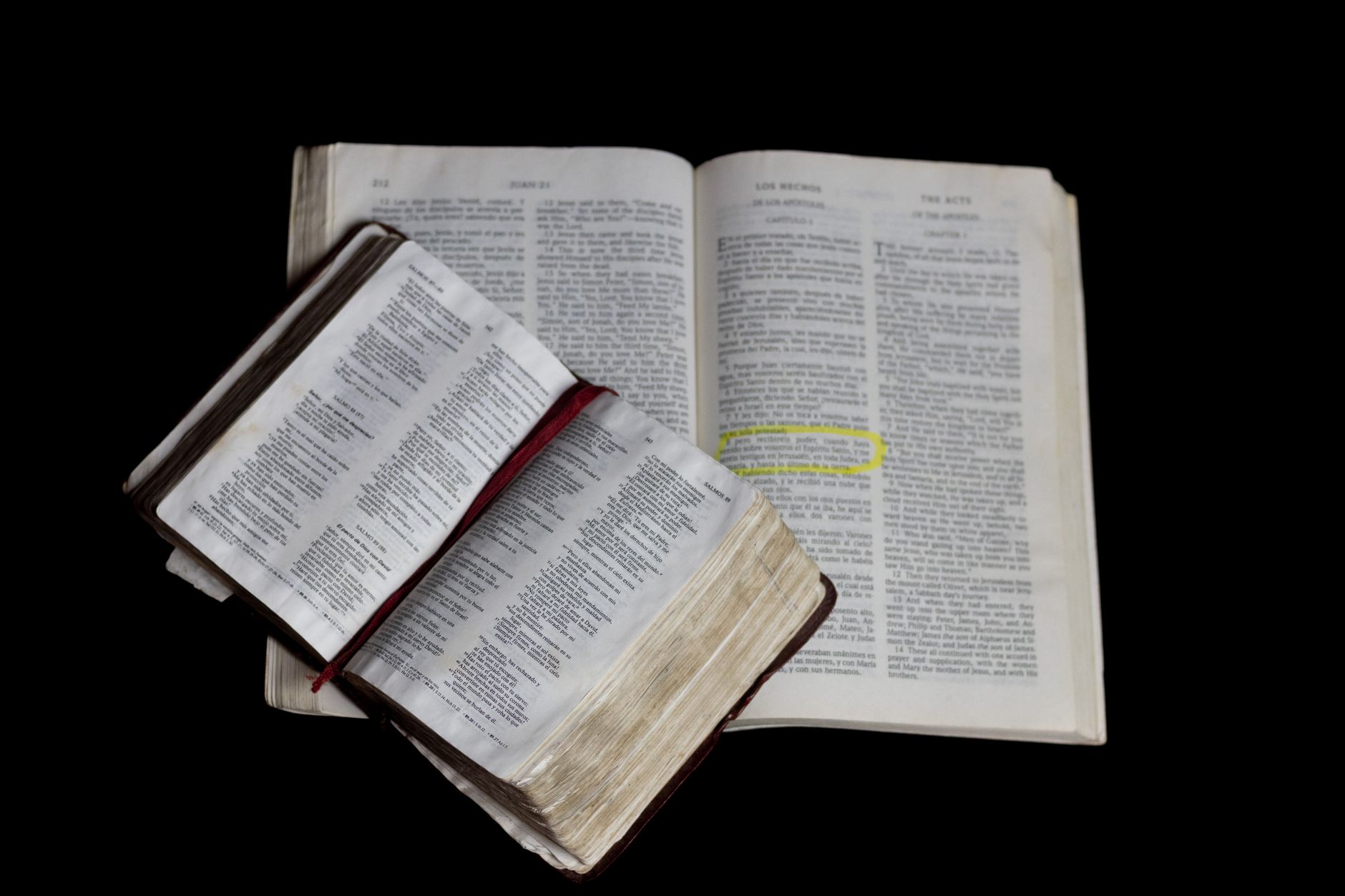
The word “religion” holds significant weight in discussions surrounding faith, belief systems, and spirituality. Within the context of the Bible, many wonder if the term “religion” appears in the text and what that means for understanding biblical spirituality. This article explores whether the word “religion” can be found in the Bible, how it is interpreted, and its implications for believers today.
Examining the concept of religion in biblical texts involves delving into scriptural definitions, theological interpretations, and historical context. By doing so, we can gain clarity on how religion is viewed within a biblical framework and what it means for various faith traditions today.
Is the Word Religion in the Bible? (Myth or Fact?)
Yes, the word “religion” is mentioned in the Bible, specifically in the New Testament. In the book of James, the term appears in the context of discussing pure and undefiled religion. This reference examines what it truly means to practice faith in a manner that aligns with God’s teachings.
Here are the primary instances of the term and the context in which they’re presented:
The Biblical Context of Religion
The most notable mention of “religion” can be found in the Book of James:
- James 1:26-27 (ESV): “If anyone thinks he is religious and does not bridle his tongue but deceives his heart, this person’s religion is worthless. Religion that is pure and undefiled before God the Father is this: to visit orphans and widows in their affliction, and to keep oneself unstained from the world.”
This passage highlights several key components of what is deemed “pure religion.” It emphasizes not just the outward showing of faith, but also the importance of sincerity, compassion, and moral integrity. Let’s explore the meaning and implications of these themes as they relate to the broader question of religion in the Bible.
Defining Religion in a Biblical Sense
In the context of scriptural interpretation, religion can be perceived through various lenses, including:
- Covenantal relationship: Many theologians argue that a biblical understanding of religion is rooted in the covenantal relationship between God and humanity.
- Rituals and practices: Religious practices, such as prayer, sacrifice, and observance of laws, are seen as expressions of faith and commitment to God.
- Ethical living: The commandments and teachings throughout the Bible suggest that true religion is characterized by ethical behavior and love towards others.
The Covenant Framework
The term “covenant” describes the agreements made between God and His people throughout the Bible. Major covenants include:
- The Noahic Covenant: God’s promise to Noah after the flood.
- The Abrahamic Covenant: God’s promise to Abraham regarding his descendants and land.
- The Mosaic Covenant: God’s offering of laws and guidelines to the Israelites through Moses.
- The New Covenant: Initiated by Jesus Christ, this emphasizes a relationship marked by grace and forgiveness.
These covenants reflect a relational approach to faith, suggesting that religion, as defined biblically, is about a shared journey and mutual commitment between God and believers.
Rituals and Religious Practices
The Old and New Testaments are replete with rituals that convey deeper spiritual truths and serve as expressions of communal faith. These include:
- Festivals: The observance of Passover, Pentecost, and the Feast of Tabernacles illustrates the rhythm of faith through time.
- Sacrifices: The act of sacrificing animals to atone for sins holds great significance in Biblical religion, pointing towards Jesus as the ultimate sacrifice.
- Prayer and worship: Biblical commands to pray signify the relational aspect of religion—communication with God is vital.
Community worship serves as both a personal and communal expression of faith, embodying the essence of being together as the body of believers.
Ethics and Moral Living
Ethical teachings found in the Bible, such as the Sermon on the Mount, further underscore that religion is also deeply intertwined with how one lives out their faith. Relevant themes include:
- Love and compassion: Jesus taught the importance of loving one’s neighbor, signifying that religion is not just about adherence to rules but being kind and compassionate.
- Justice: The prophets often called for justice and righteousness, indicating that true religion involves working for the wellbeing of others.
- Humility: The idea that one must lower oneself in service aligns with the Gospel’s central message.
Different Interpretations of Religion
Scholars and theologians may interpret the term “religion” and its implications differently based on numerous factors, including:
- Denominational beliefs: Different Christian denominations, such as Catholicism, Protestantism, and Orthodoxy, may have their distinctive perspectives on what constitutes true religion.
- Cultural and historical context: The culture in which one practices faith can affect how religious expressions are viewed and understood.
- Interfaith dialogue: Understanding how religion is approached in other faith traditions, such as Judaism or Islam, can enrich one’s perspective on what “religion” means holistically.
Religion in Non-Christian Contexts
While the Bible does provide insights into the Christian understanding of religion, examining how it is viewed in other faith traditions offers an enriched perspective. For instance:
- Judaism: The emphasis is often on observance of the law (Halakha) and community rituals.
- Islam: Religion is understood as a comprehensive way of life, with practices such as the Five Pillars of Islam being integral to faith.
- Buddhism: Spirituality is often more focused on personal practice and philosophical understanding than on the concept of worship seen in monotheistic faiths.
The Relevance of Religion Today
In our contemporary world, the notion of religion can often invoke a variety of reactions, including skepticism and questioning of organized faith systems. Nevertheless, examining the biblical perspective on religion encourages one to consider its role in fostering ethical living, community solidarity, and spiritual growth.
Challenges in Modern Religious Practice
Many individuals may find themselves grappling with the following challenges:
- Institutional Failures: Disillusionment with leadership scandals or perceived hypocrisy can lead to questioning the validity of organized religion.
- Individualism: In an age that often prioritizes personal beliefs, finding community-based expressions of faith can be challenging.
- Religious Pluralism: The interaction between various belief systems may create tension or confusion regarding one’s own beliefs.
Embracing a Personal Understanding of Faith
As individuals explore their pathways, they may consider practices to deepen their understanding of spirituality and religious expression:
- Personal Study: Engaging in biblical study or reading relevant theological works can strengthen understanding and spiritual growth.
- Prayer and Meditation: Finding moments for contemplation can foster a deeper connection with the divine.
- Community Engagement: Participating in community service can embody the principles found in the scriptures, practicing love and compassion.
Conclusion
The word “religion” is indeed present in the Bible, specifically within the book of James, where it underscores the importance of genuine faith, ethical living, and community care. Understanding religion from a biblical perspective highlights the relational aspect of faith, inviting believers to embrace not just rituals but a lifestyle of compassion, justice, and moral integrity.
As you reflect on your understanding of religion, consider engaging with spiritual practices that resonate with you and foster your growth. This exploration may lead you to new insights about your faith and a deeper connection to both God and others.
If you’re interested in further enriching your knowledge about faith and spirituality, explore related articles on topics such as prayer, meditation, and communal worship within various traditions. Reflect on these practices and their potential impact on your spiritual journey.