
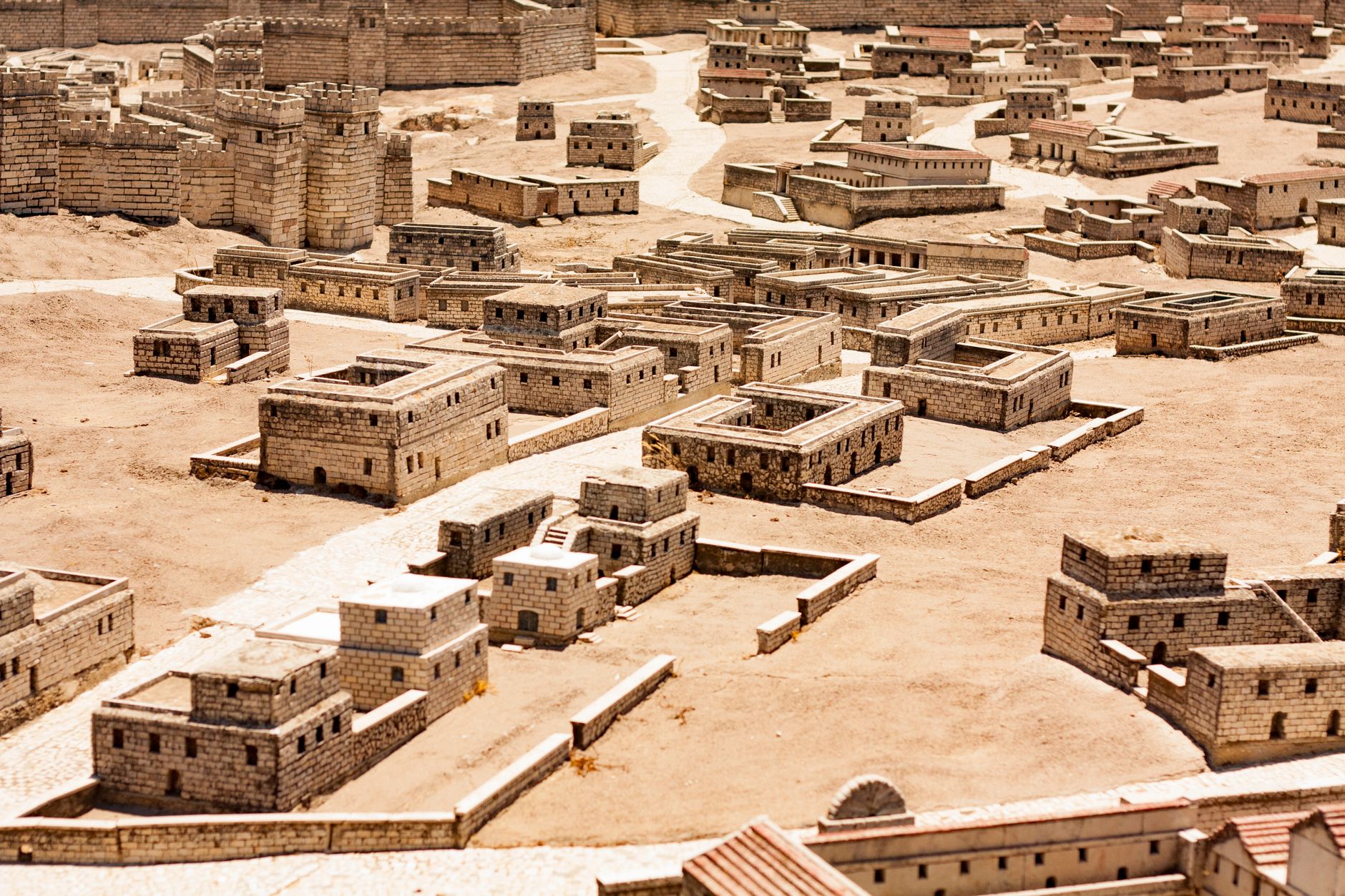
The locations where Jesus walked are crucial to understanding his life and teachings as presented in the New Testament. From the bustling streets of Jerusalem to the serene shores of the Sea of Galilee, each site carries deep historical and spiritual significance. The geography of these areas not only shapes the narrative of Jesus’ ministry but also reflects the diverse cultural and religious contexts of the time.
In exploring where Jesus walked, we can gain insights into his mission and the teachings he imparted. This guide will delve deeper into the specific locations mentioned in the Bible, the events that took place there, and how these places continue to inspire faith and spiritual exploration today.
What Are Key Locations Where Jesus Walked?
Throughout the Gospels, several locations are significant to the life of Jesus. Each place contributes unique aspects to the understanding of his messages and actions. Here are some of the most notable sites:
- Bethlehem: The birth city of Jesus, Bethlehem is significant as the fulfillment of prophecy regarding the Messiah’s birthplace.
- Jerusalem: A central location for Jesus’ crucifixion, resurrection, and many pivotal teachings.
- The Sea of Galilee: Known for miracles such as walking on water and feeding the 5,000.
- Nazareth: Jesus’ hometown, where he began his early ministry.
- Mount Sinai: The location where Jesus delivered the Sermon on the Mount.
Exploring Bethlehem: The Birthplace of Jesus
Located in the West Bank, Bethlehem holds profound importance as the birthplace of Jesus. According to the Gospels of Matthew and Luke, Mary and Joseph traveled to Bethlehem for a census when Jesus was born. The notable events and symbols associated with Bethlehem include:
- The Nativity Church: This ancient church stands over the traditional site of Jesus’ birth, attracting pilgrims and tourists alike.
- The Star of Bethlehem: A symbol of hope and the divine announcement of Jesus’ birth.
Spiritual Reflection
For many believers, visiting Bethlehem is a journey of spiritual significance. It invites reflection on humility, birth, and the beginnings of a transformative path in faith. Consider taking a moment to meditate on the themes of birth and new beginnings in your life.
Jerusalem: The Heart of Jesus’ Ministry
Jerusalem is the site of several key events in the life of Jesus. It is here that he taught in the Temple, observed Passover, and ultimately faced crucifixion. The significance of Jerusalem can be seen in many locations:
- The Temple Mount: A place of worship central to Jewish faith, where Jesus challenged the temple authorities.
- Gethsemane: The garden where Jesus prayed before his crucifixion, expressing his human vulnerability.
- The Via Dolorosa: The path Jesus walked to his crucifixion, embodying sacrifice and suffering.
Exploring Spiritual Meaning
Jerusalem’s historical and spiritual weight invites deep reflection on sacrifice, redemption, and faith. As you meditate on this place, you may wish to consider the weight of personal suffering and the hope that arises from faith and communal connections.
The Sea of Galilee: A Venue for Miracles
The Sea of Galilee is where many miracles occurred, including Jesus walking on water and calming the storm. This beautiful lake is symbolic of peace amidst chaos and divine power:
- Walking on Water: An event indicating Jesus’ authority over nature and his ability to guide believers through turbulent times.
- Feeding the 5,000: A testament to Jesus’ compassion and ability to provide when faced with scarcity.
Connection to Spirituality
The Sea of Galilee calls many to reflect on trust, faith, and assurance in difficult moments. Consider taking time to practice deep breathing or prayer as you reflect on balancing life’s storms with faith in a higher power.
Nazareth: The Hometown of Jesus
Nazareth is significant as the place where Jesus grew up. The Gospels describe his early life and the beginnings of his ministry here:
- The Annunciation: The announcement of Jesus’ birth to Mary by the Angel Gabriel took place in Nazareth.
- Local Synagague: Jesus often taught in this synagogue, emphasizing his connection to local customs and teachings.
Reflections on Growth and Community
Nazareth encourages believers to reflect on their roots and the influence of community in shaping faith. Consider journaling about your personal journey and the communities that have nurtured your spiritual growth.
Mount Sinai: The Site of the Sermon on the Mount
Mount Sinai is where Jesus delivered the famous Sermon on the Mount. This location serves as a backdrop for some of his most profound teachings, including the Beatitudes, which articulate the values of humility, compassion, and mercy:
- The Beatitudes: Teachings that present a radical redefinition of happiness and blessings.
- Addressing Community Duties: Jesus emphasizes the importance of love, forgiveness, and justice.
Embracing Teachings of Compassion
Visiting places associated with significant teachings like the Sermon on the Mount encourages an introspective look at one’s values and the daily application of compassion and kindness. Consider integrating one of the Beatitudes into your daily life as a guiding principle.
Theological Implications of Jesus’ Journey
The physical places where Jesus walked deeply intertwine with theological teachings about love, sacrifice, faith, and the human experience. These locations serve as reminders of:
- The divine plan for salvation.
- The nature of God as relational and present in human affairs.
- The invitation to transform personal and communal relationships through love and service.
Encouraging Interfaith Understanding
Understanding the geographical and cultural context of Jesus’ life encourages interfaith dialogue and appreciation. Recognizing the significance of these places can foster deeper respect and cooperation among religious communities. Engaging in discussions about shared values and teachings can strengthen bonds and promote peace.
Conclusion: The Call to Walk in Faith
The places where Jesus walked not only define his ministry but also invite us to reflect on our own spiritual journeys. Each location offers a unique perspective and calls on us to embody the teachings of love, compassion, and service in our daily lives. As you consider where Jesus walked, think about how these teachings resonate within your personal faith journey.
To deepen your understanding, take a moment to meditate on a key location that resonates with you, and reflect on how its teachings inspire you to live with authenticity and purpose.
For those interested in exploring related topics further, you might consider articles on different aspects of Jesus’ teachings, the significance of sacred sites in various traditions, or the practices related to spiritual growth and community engagement.